Italy
Visited Cities
Venice
Monterosso al Mare
Manarola
Milan
Florence
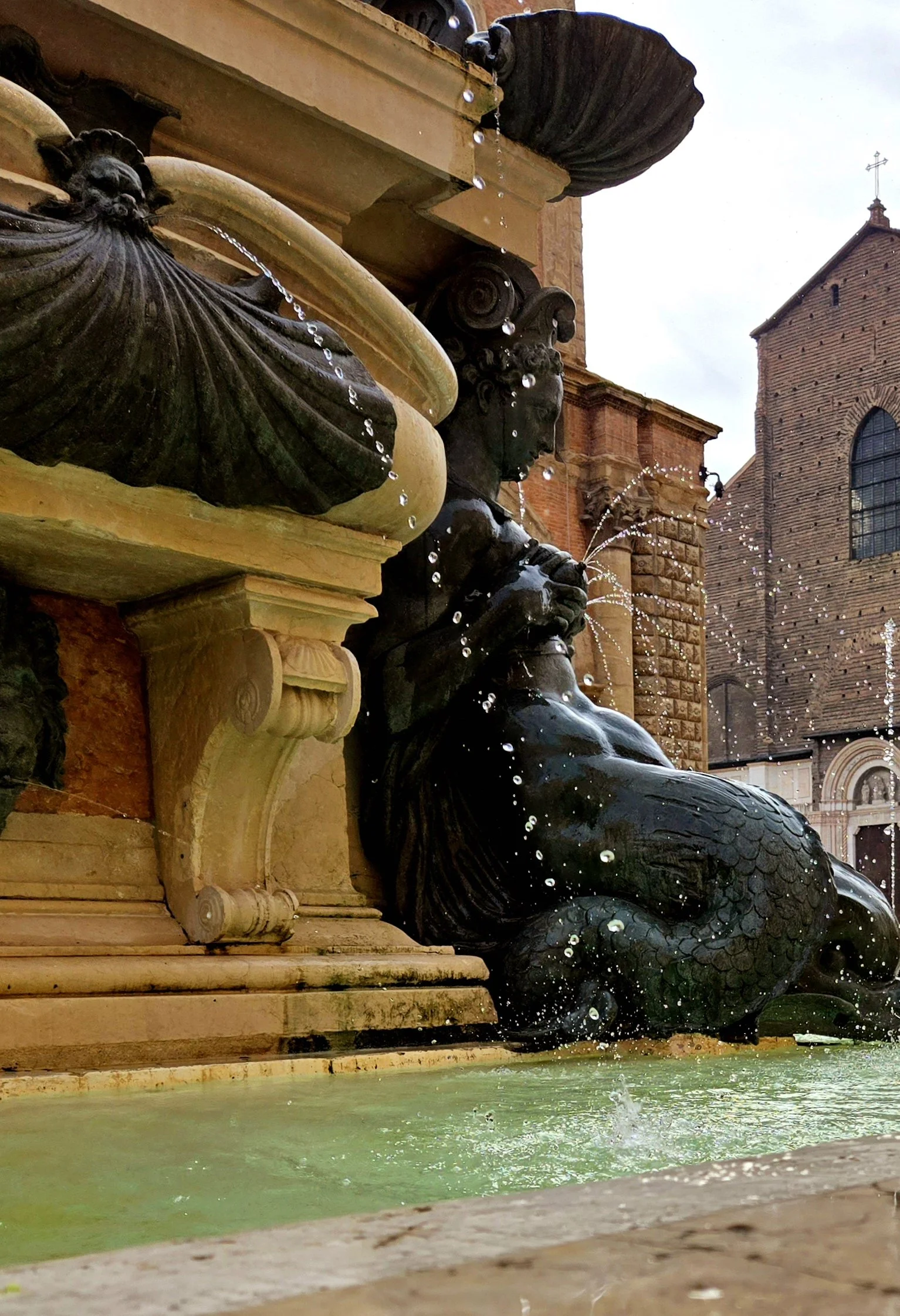
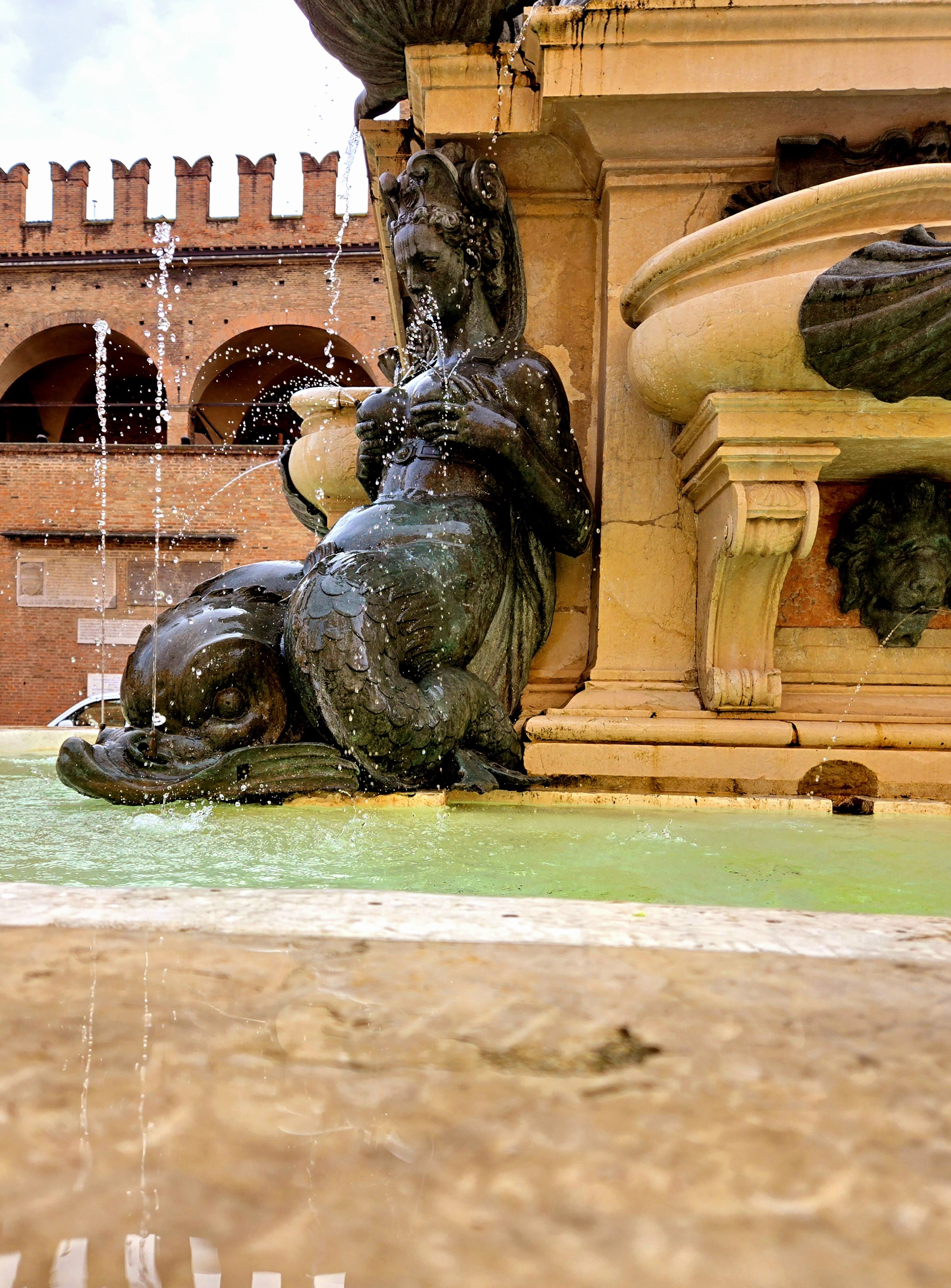
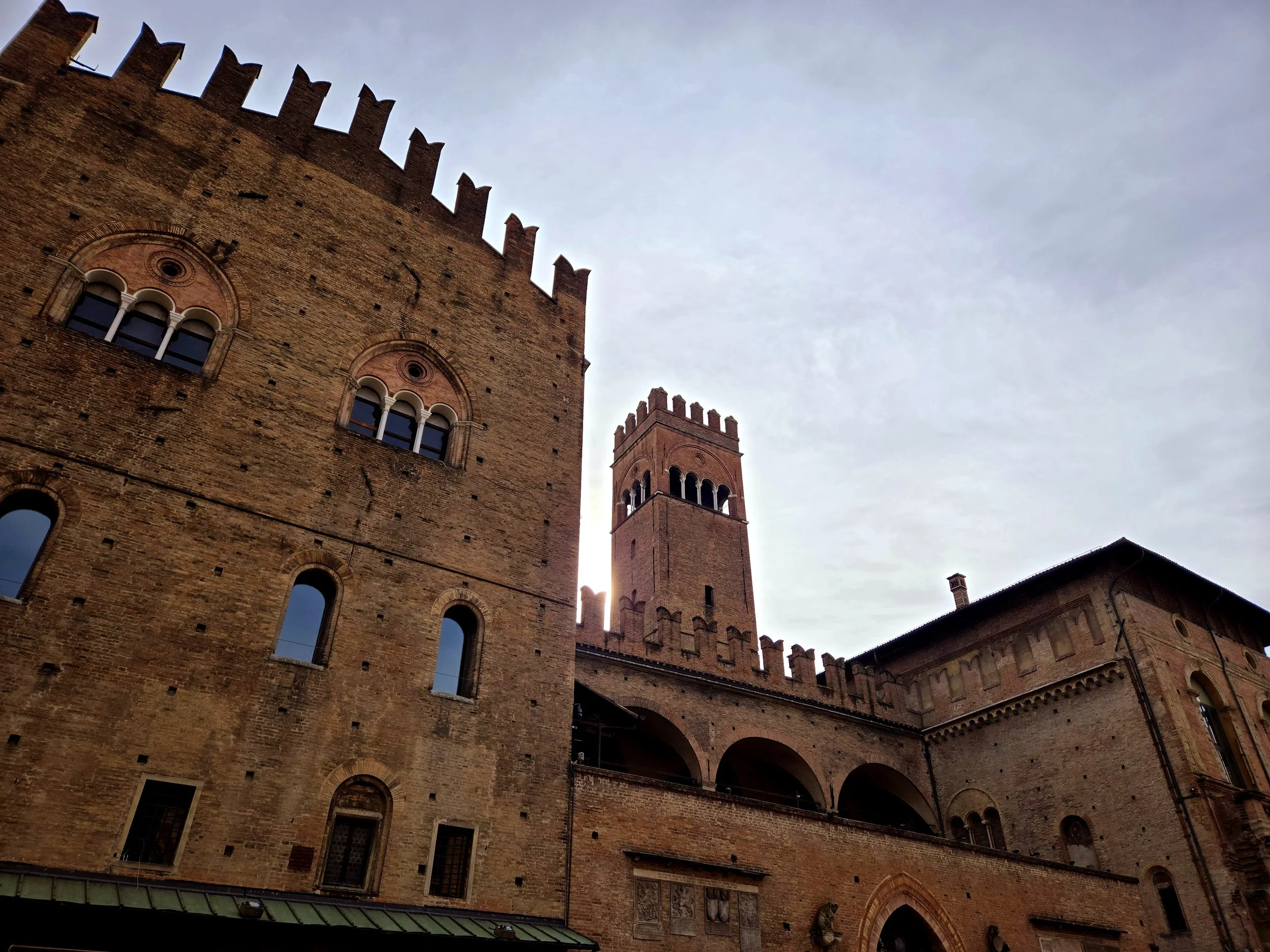
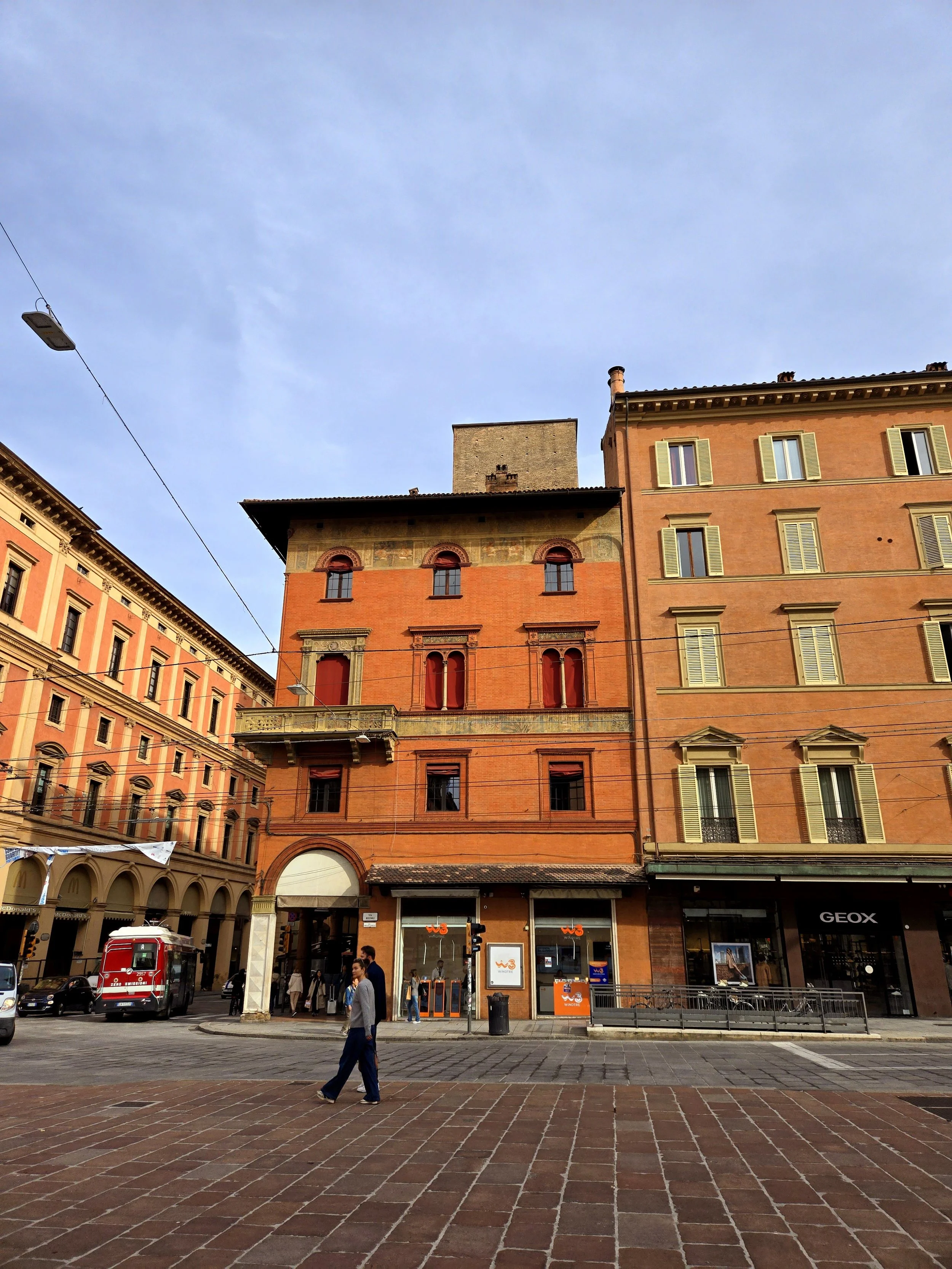
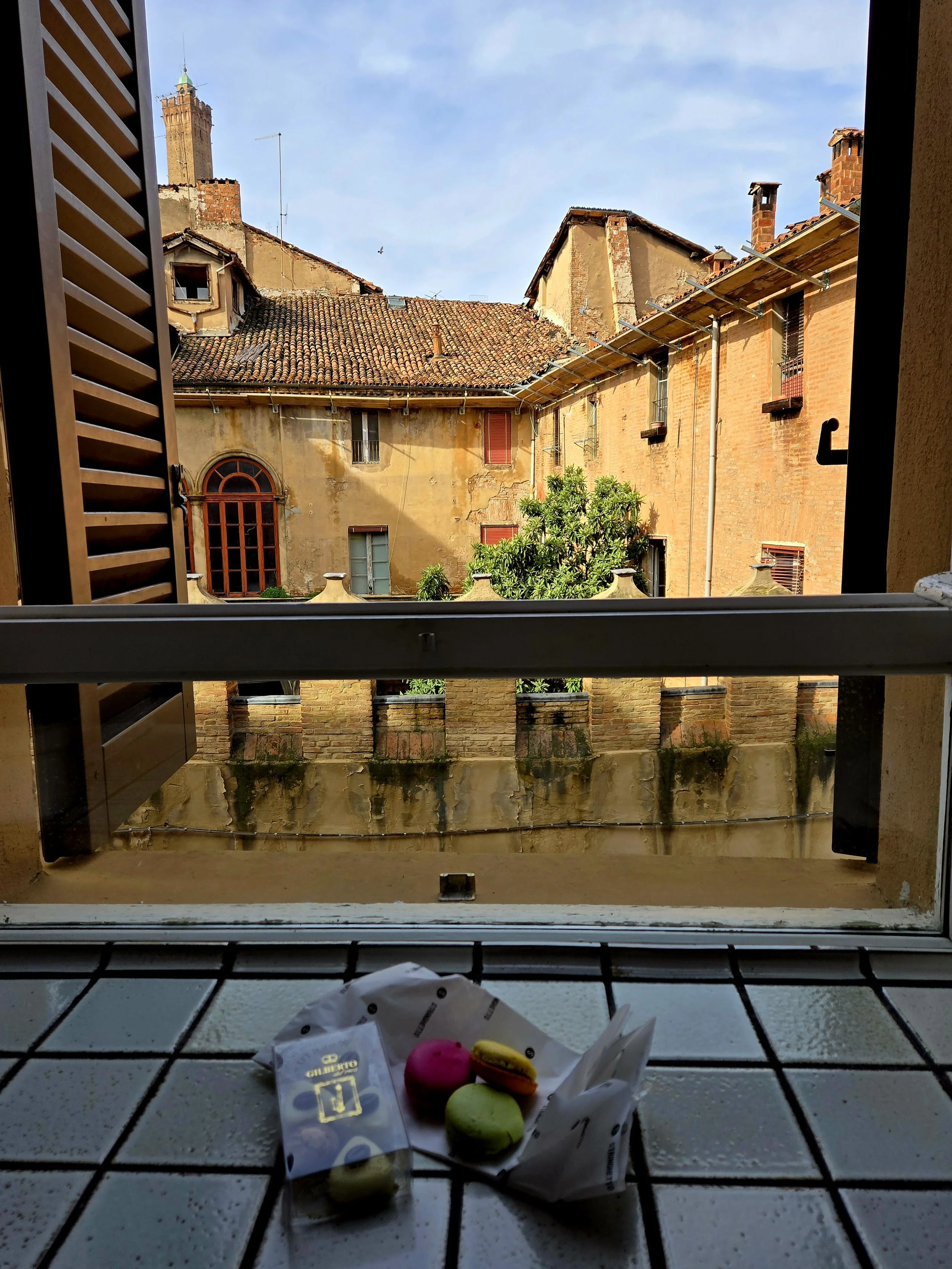
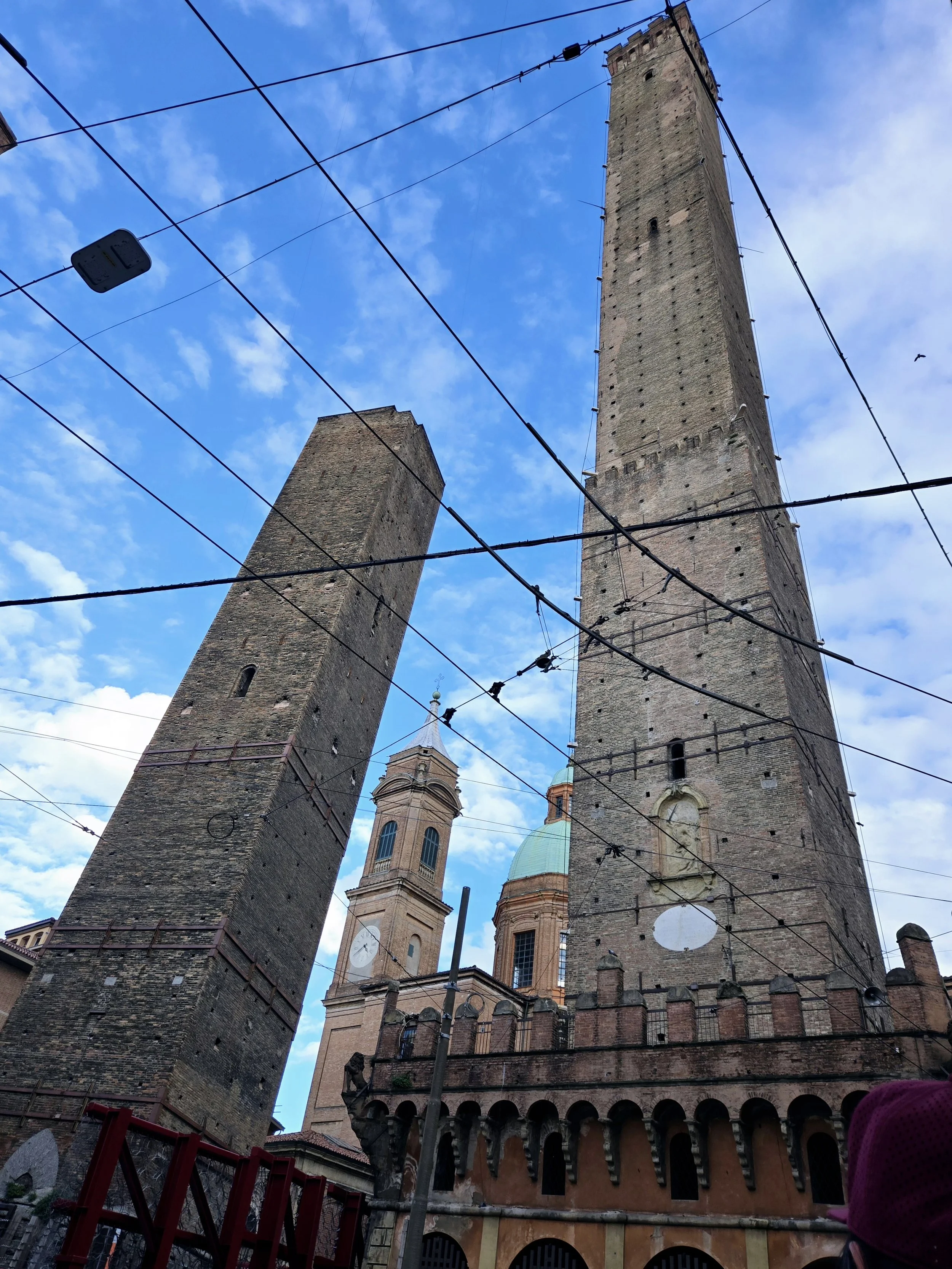
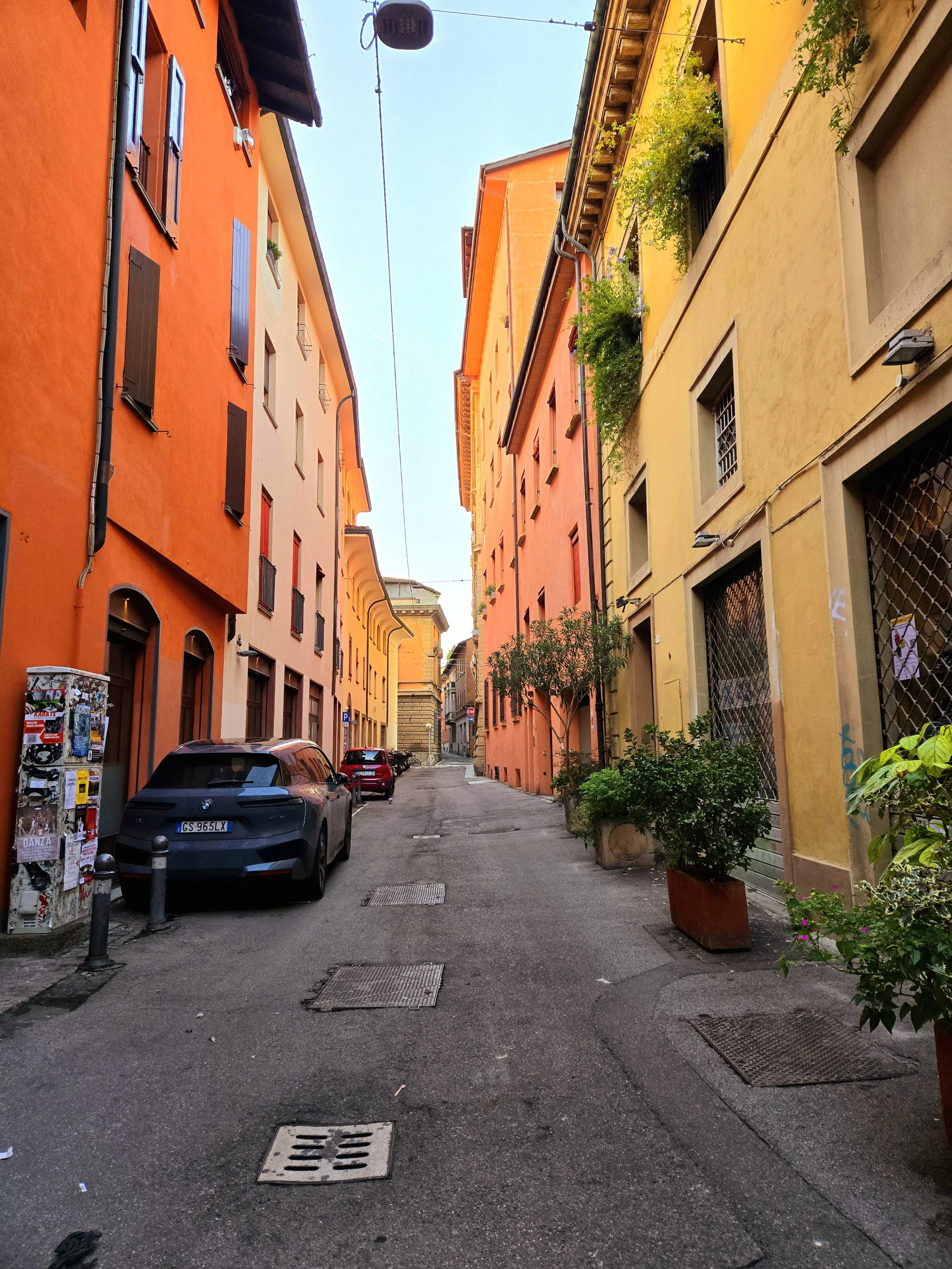
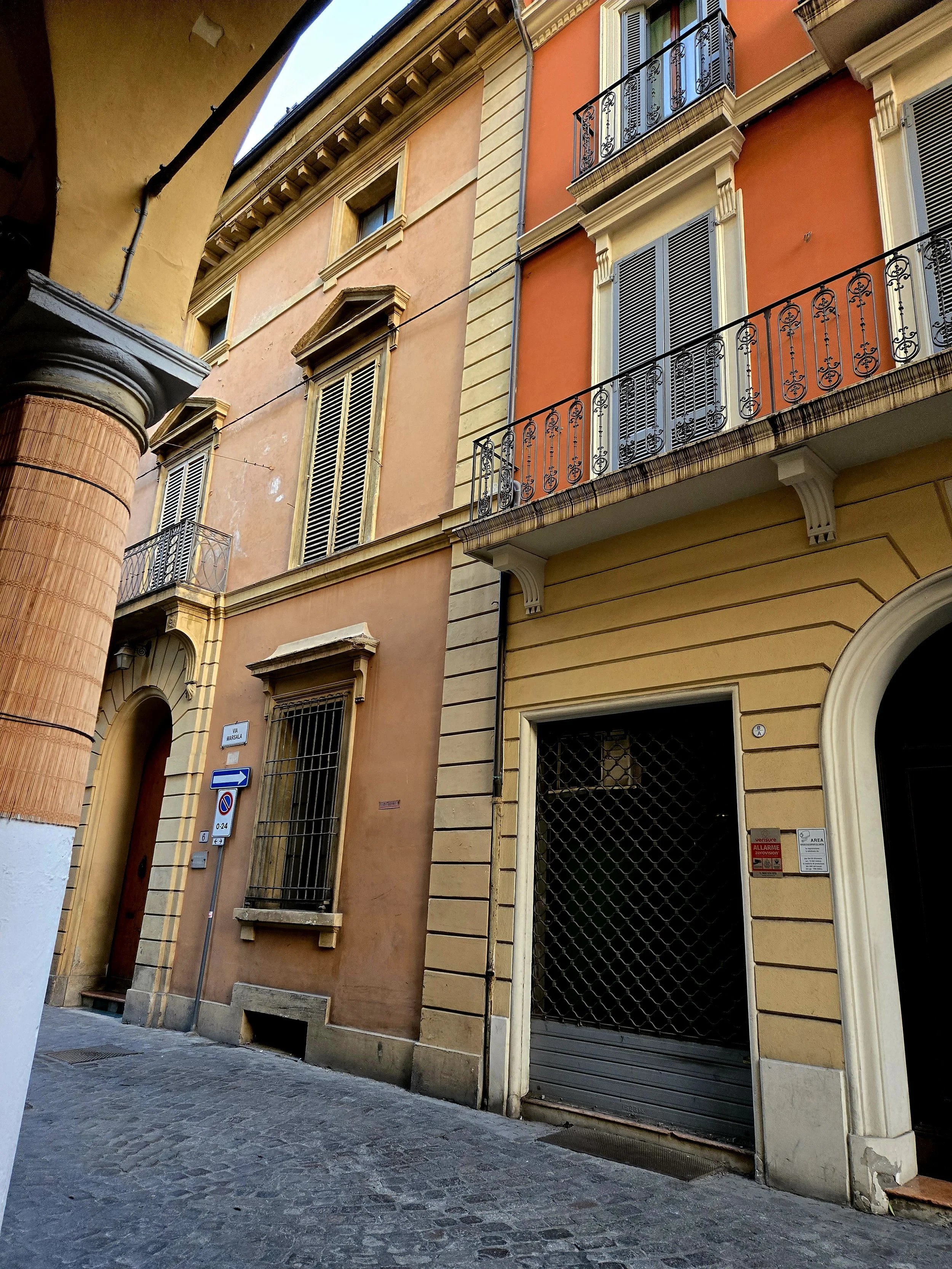
Bologna
Common Italian Phrases
Ciao (chau) - Hello
Arrivederci (ur·ee·vuh·dehr·chee) - Goodbye
Per favore (pehr fah-VOH-reh) - Please
Grazie (GRAHT-see-eh) - Thank you
Buongiorno (bwohn-JOR-noh) - Good morning
Buonasera (BWOH-nah-SEH-rah) - Good evening
Mi Scusi (mee SKOO-zee) - Excuse me
Mi dispiace (mee dees-PYAH-cheh) - I’m sorry
Vorrei (vohr-RAY) - I would like
Use when ordering food/drinks
Things to Note
We did not encounter any English speakers so knowing some Italian is advised
Lyft and Uber do not exist in Italy but traditional taxis, buses, and trains are available
Some areas will require you to queue or wait in a taxi line
It’s normal in Italy for buses and trains to be late, whereas Switzerland is extremely punctual
People in Italy dress very well—if you’re dressed too casually, you may feel like you stick out
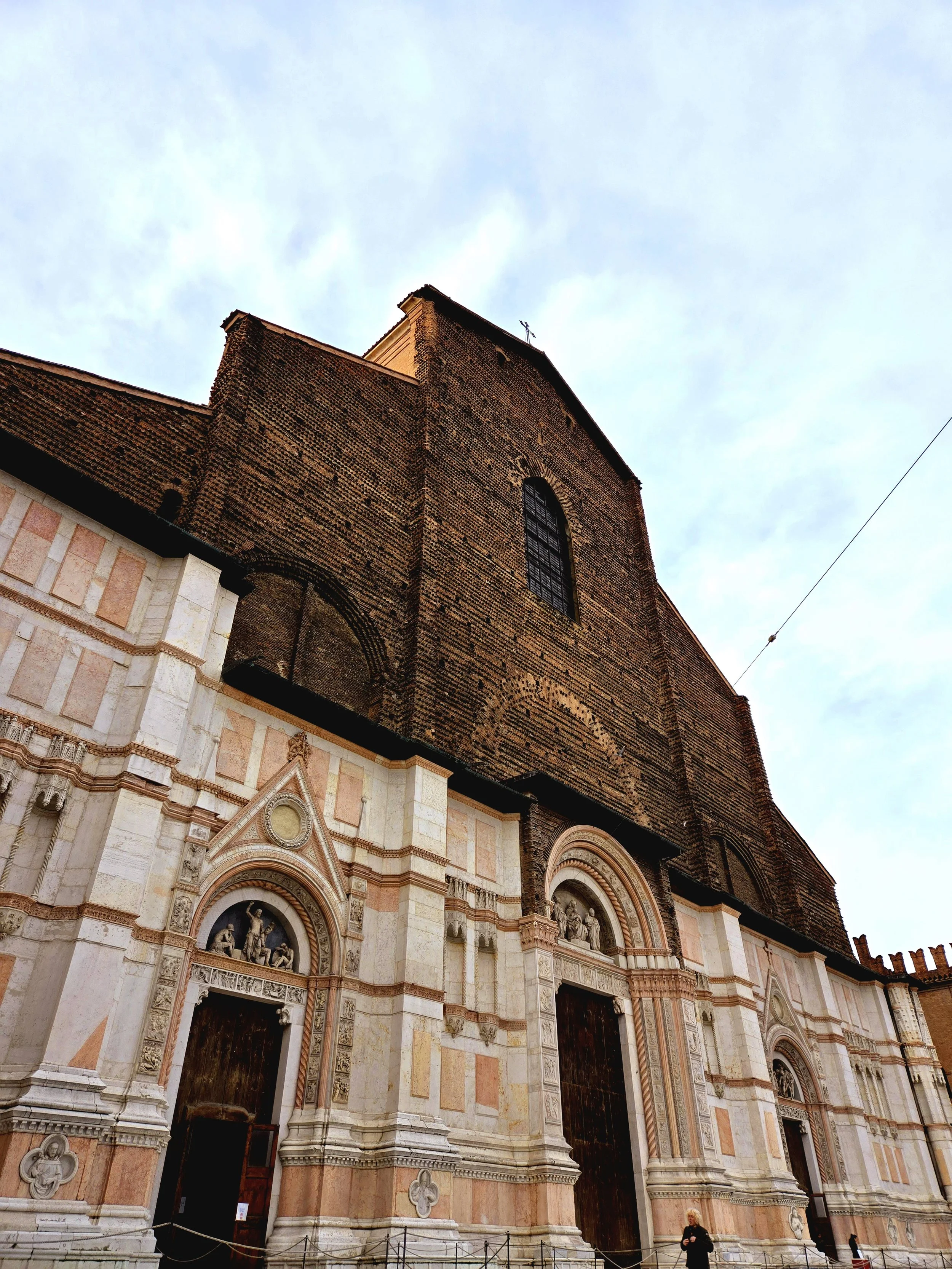
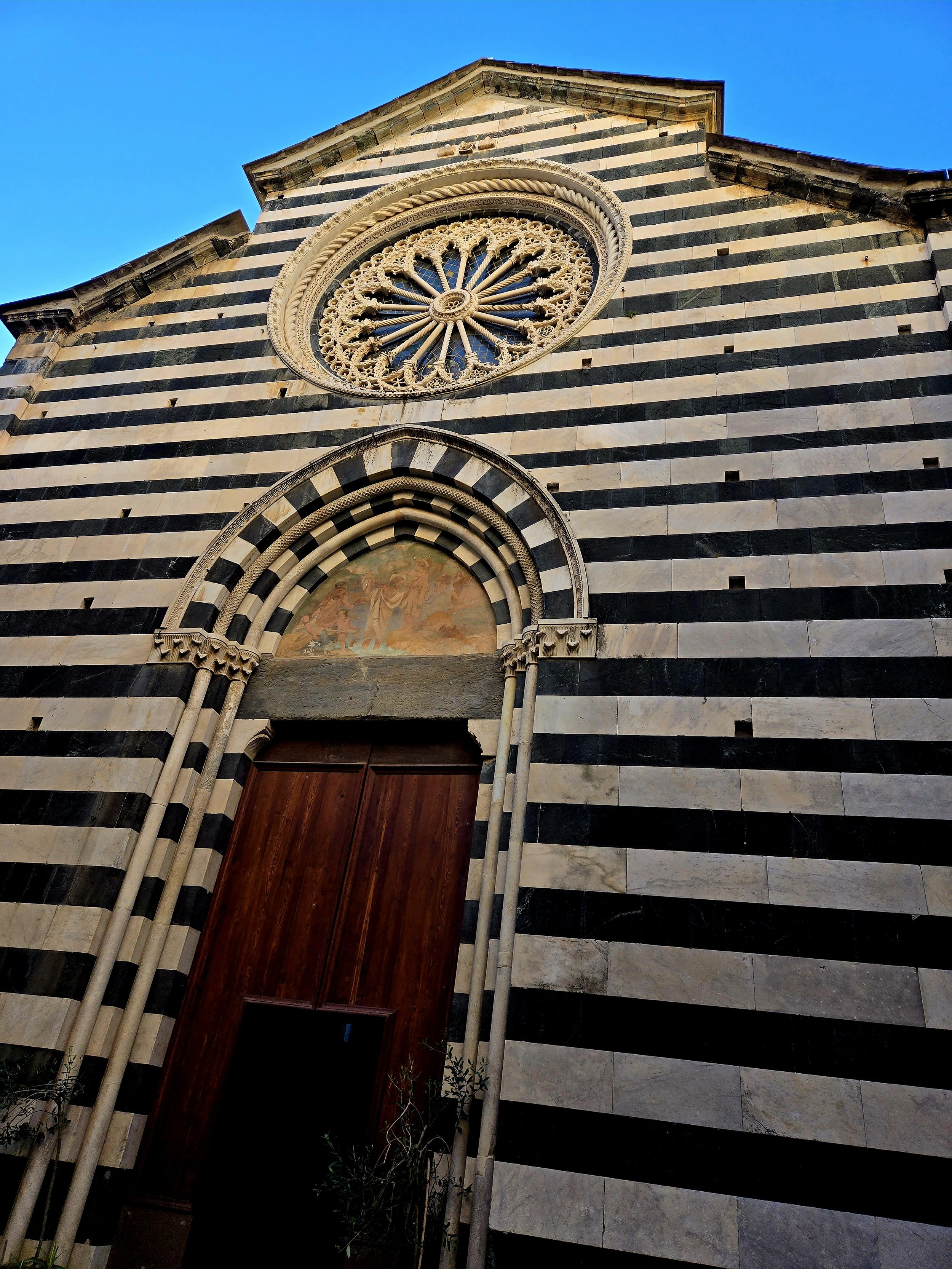
Italy’s historic churches and cathedrals are absolutely worth visiting, even for non-religious travelers but follow the rules:
Cover shoulders / knees and remove hats
Enforcement varies significantly by location—smaller parish churches rarely deny entry
On a hot summer day, shorts or skirts that sit slightly above the knee are widely tolerated by locals
The knee rule is strictly enforced in major Italian cathedrals in Venice, Rome, Bologna, Florence, Milan, etc.
Keep voices low, refrain from using flash photography, and avoid exploring if a religious mass is in progress
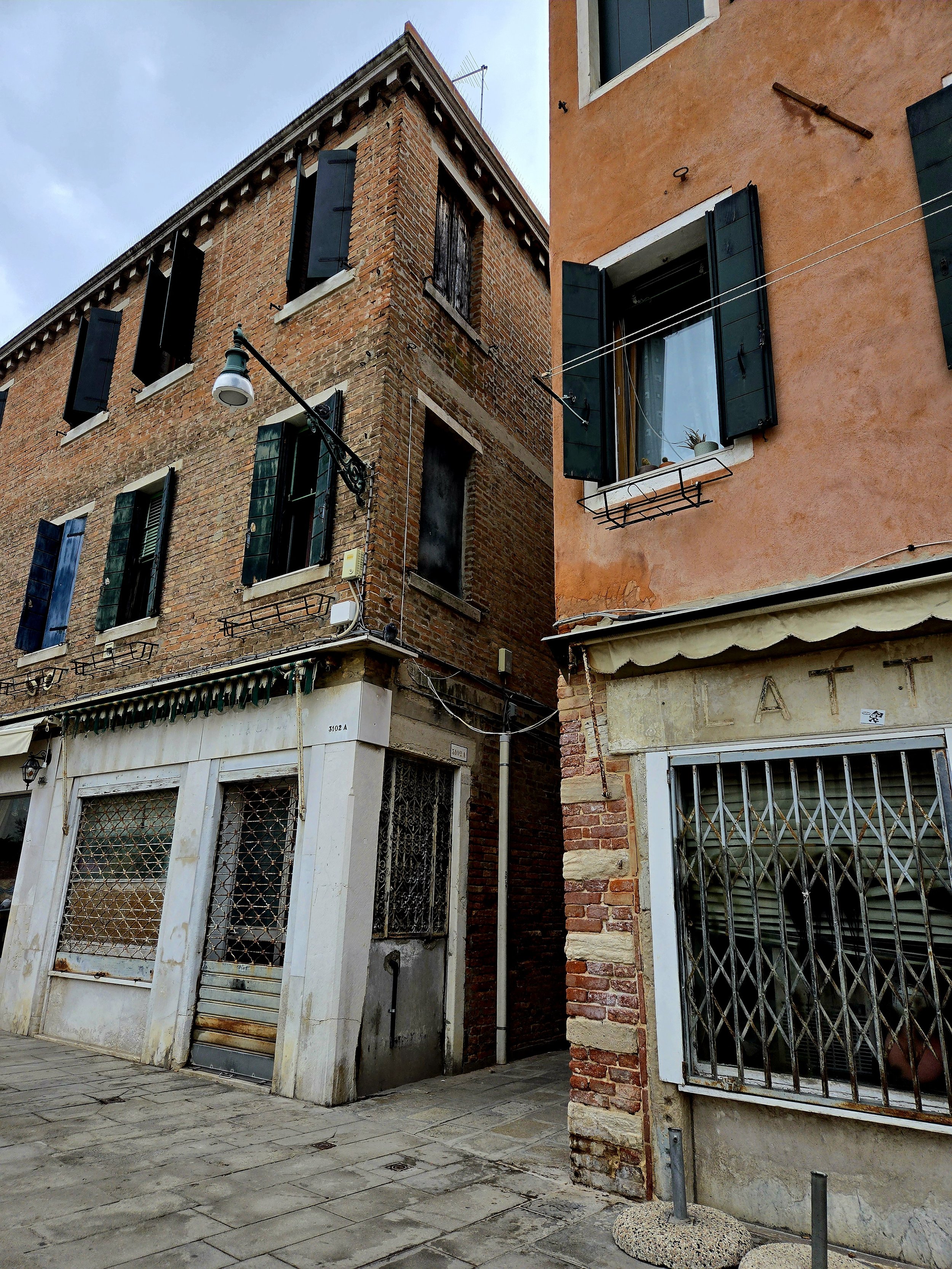
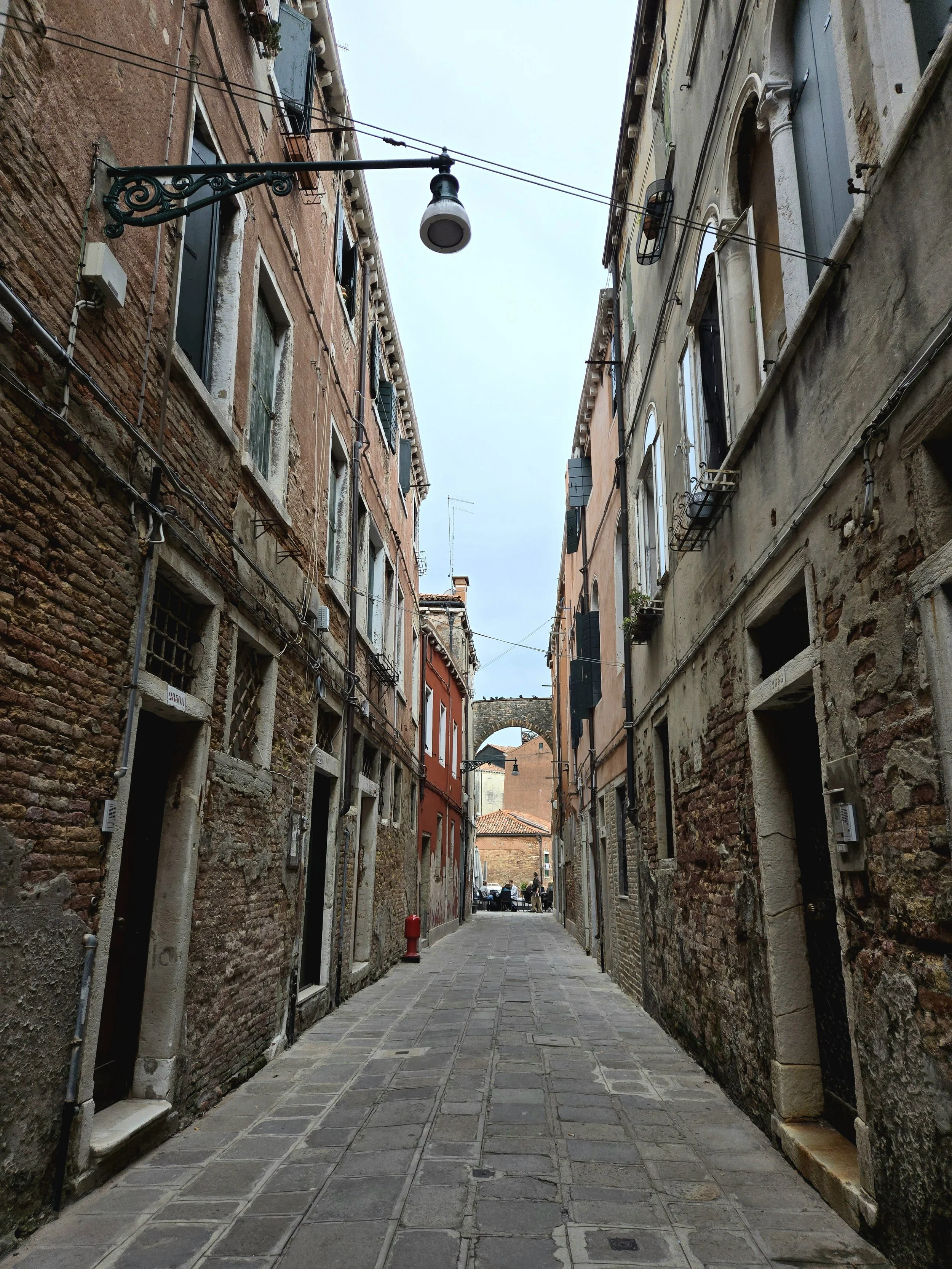
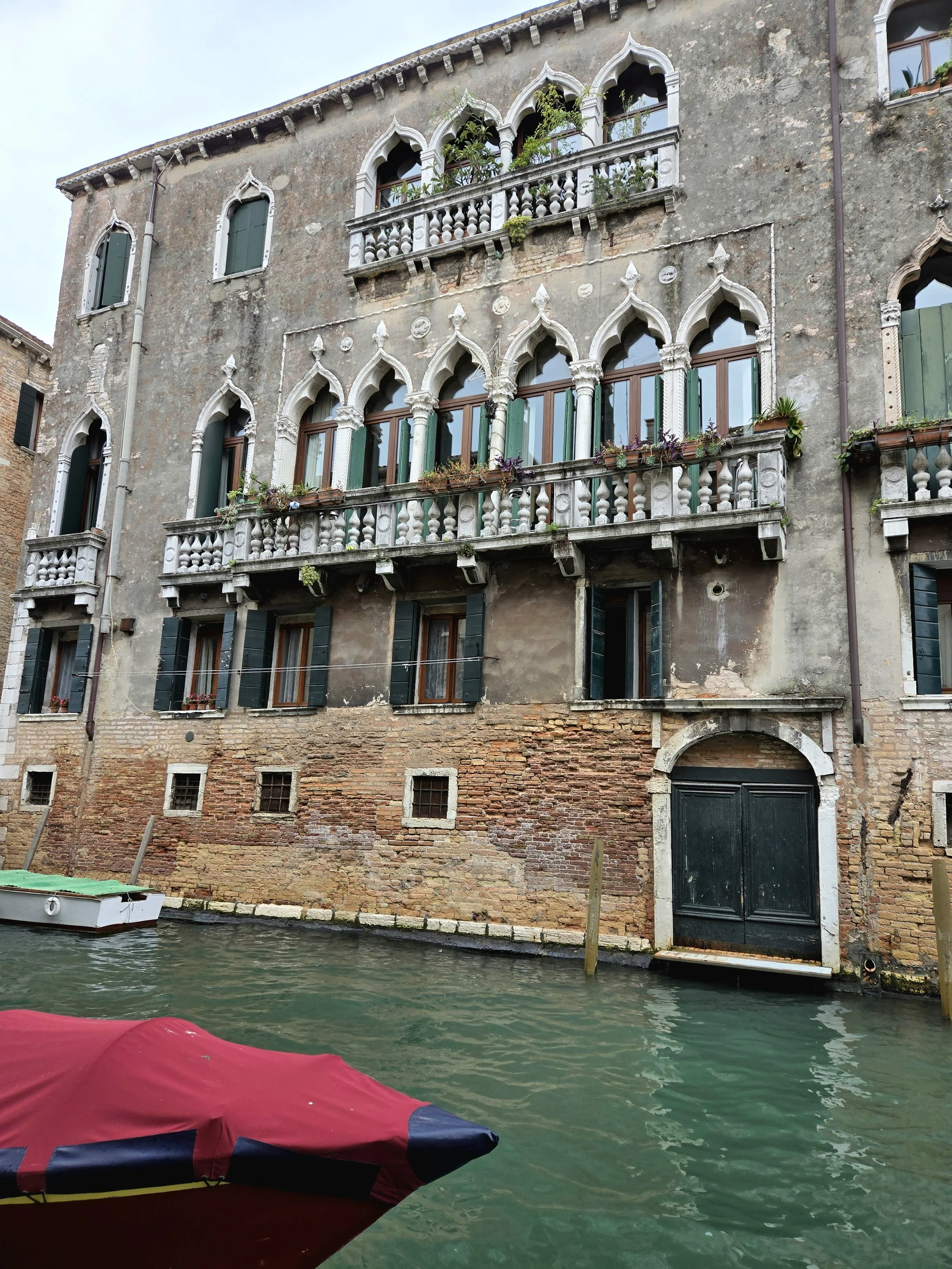
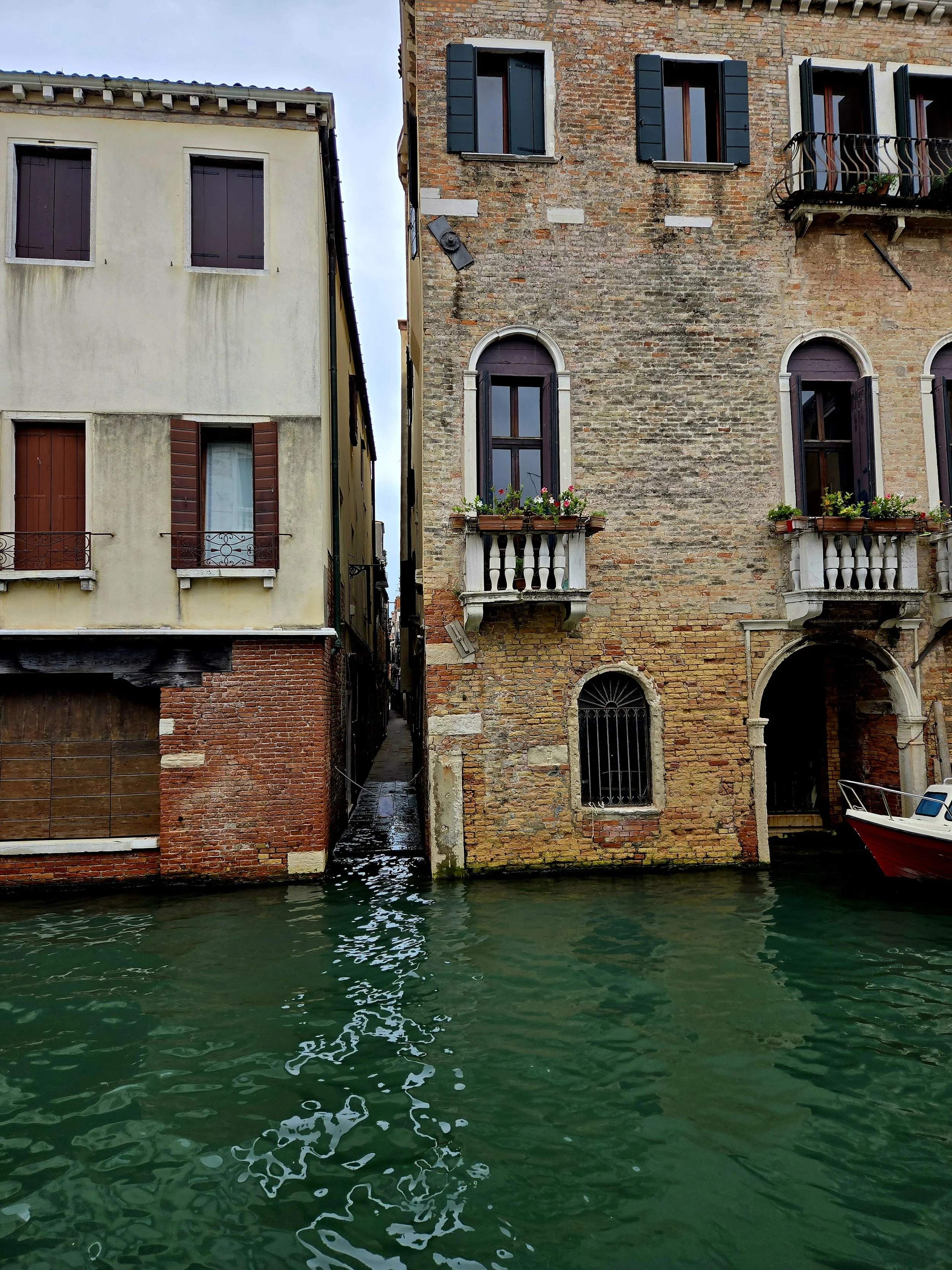
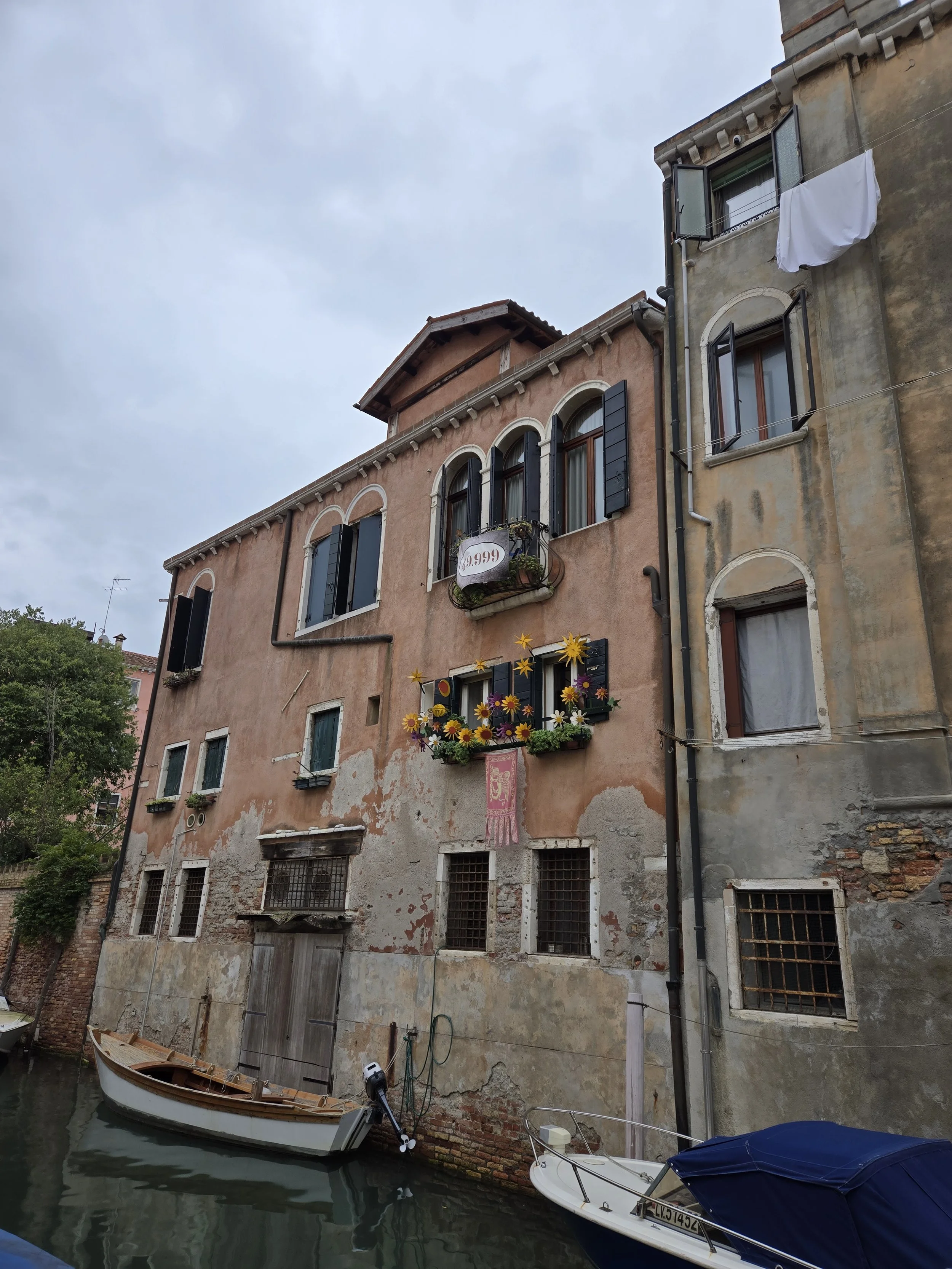
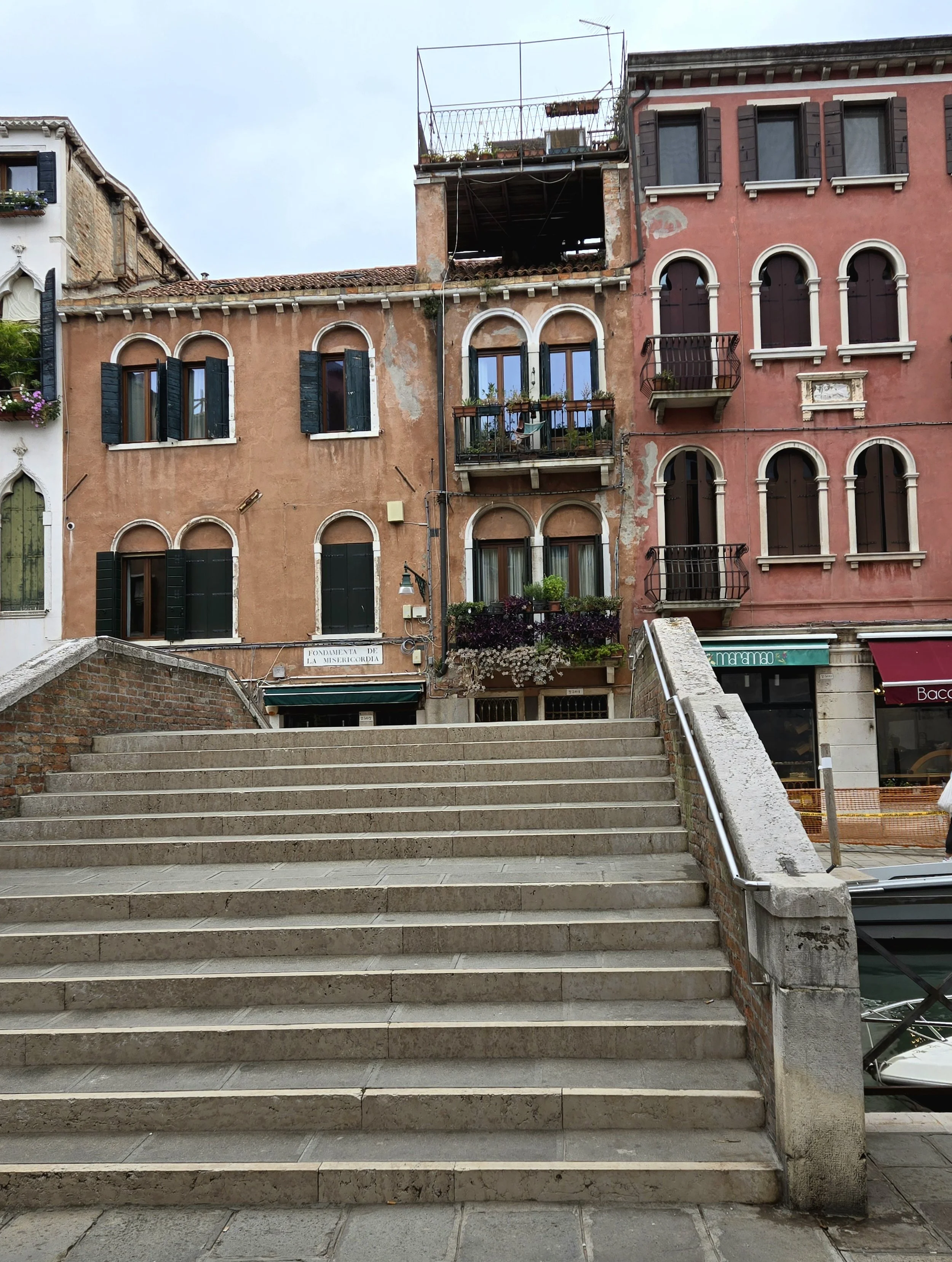
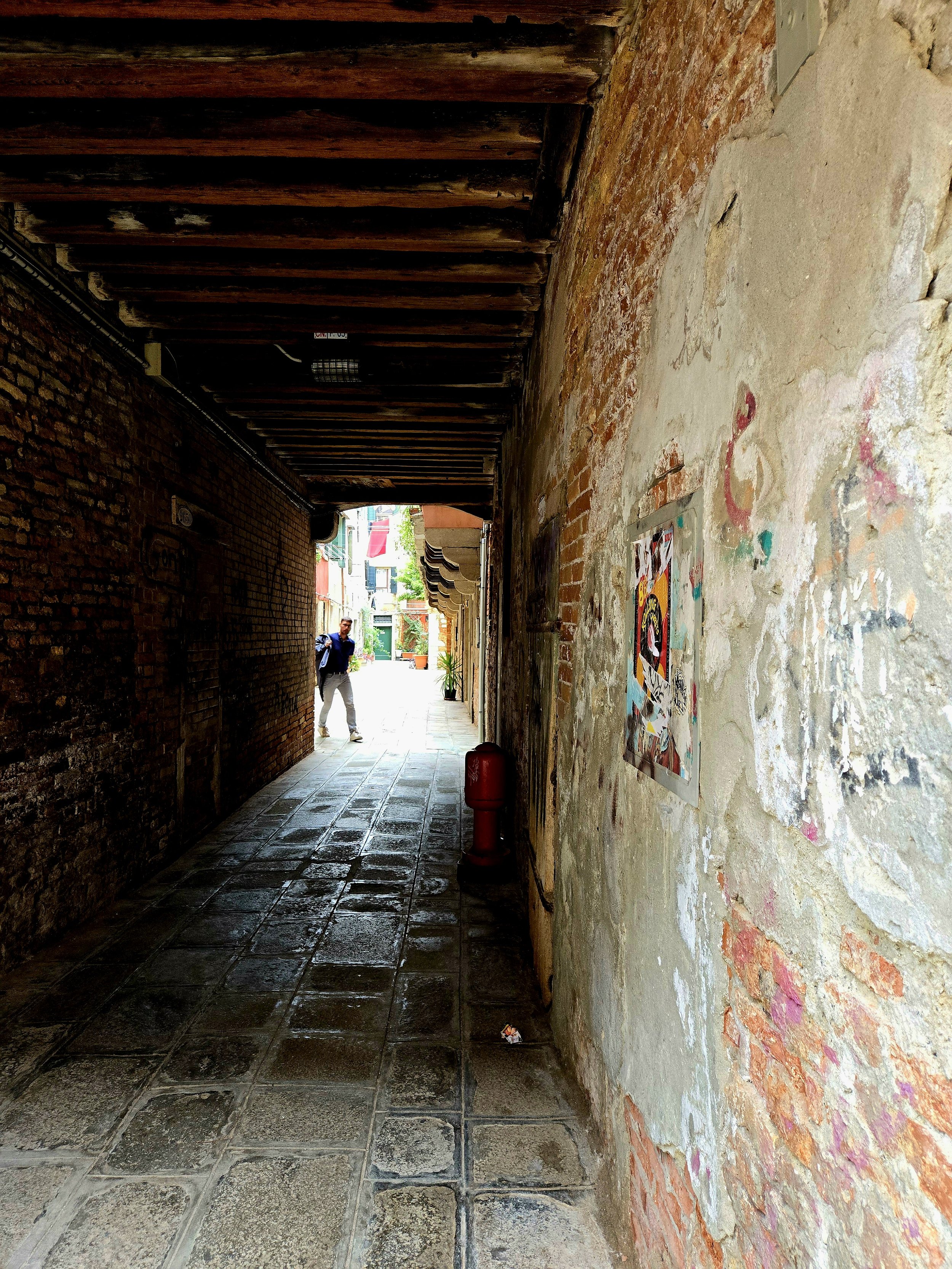
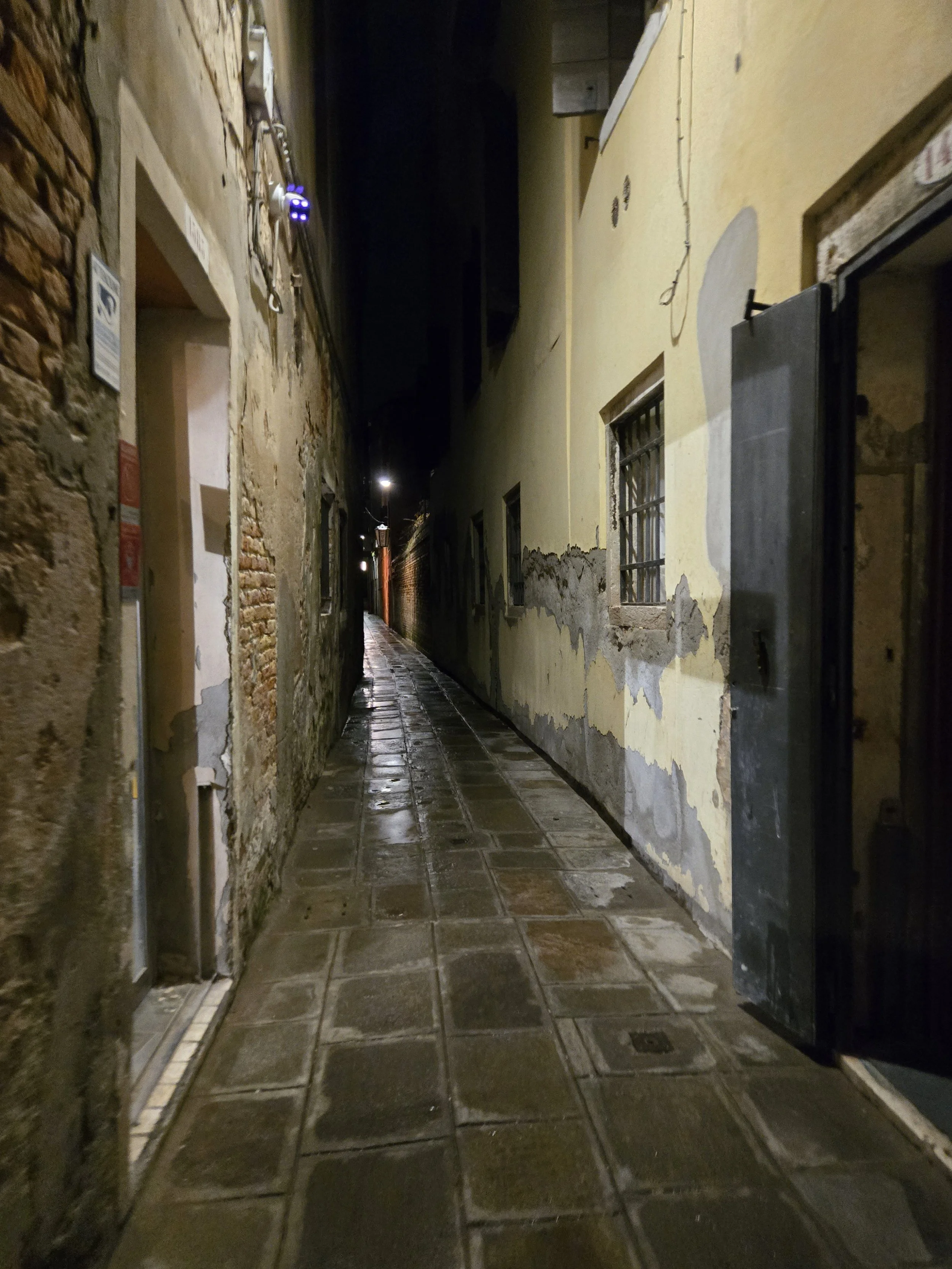
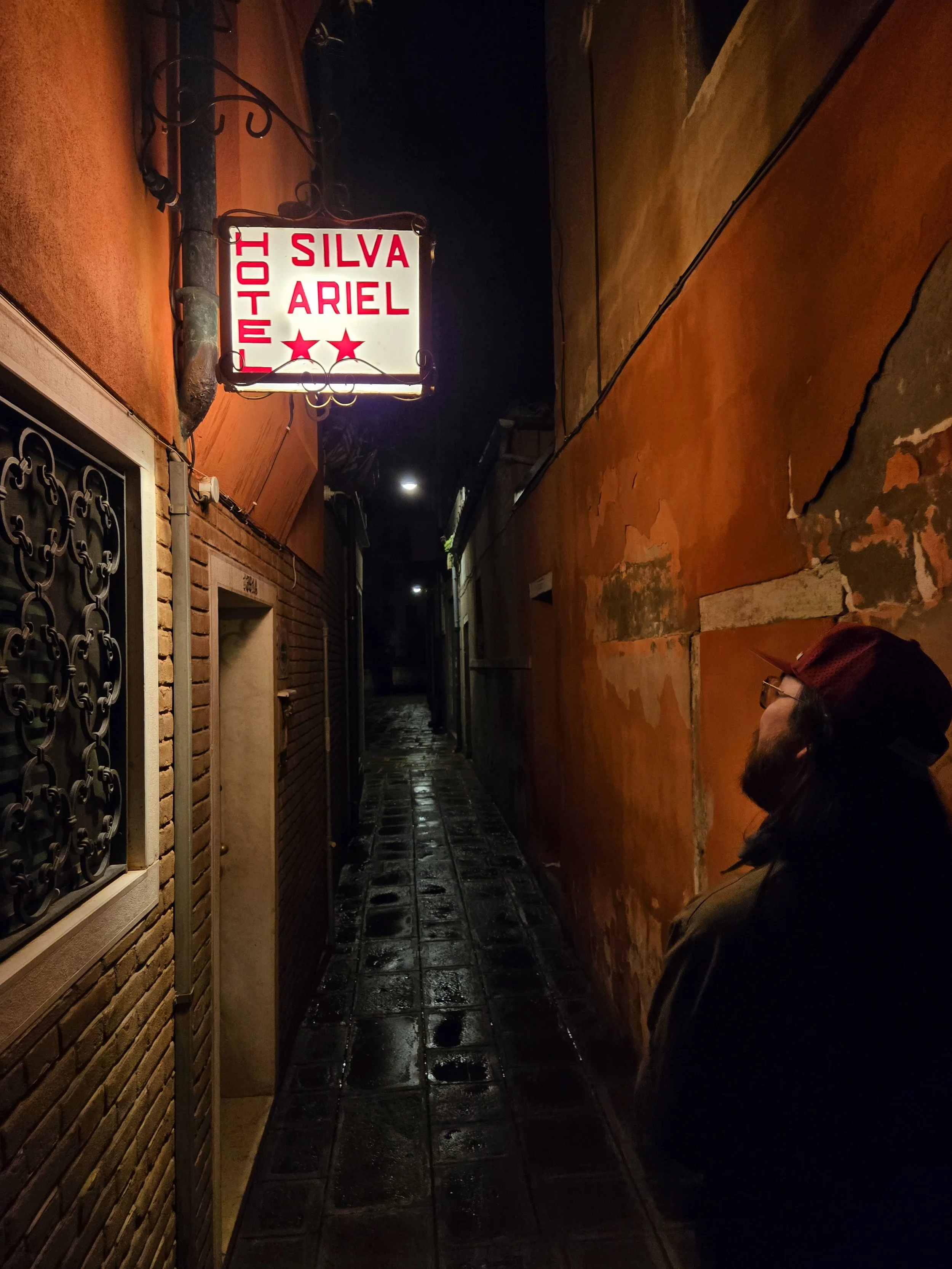
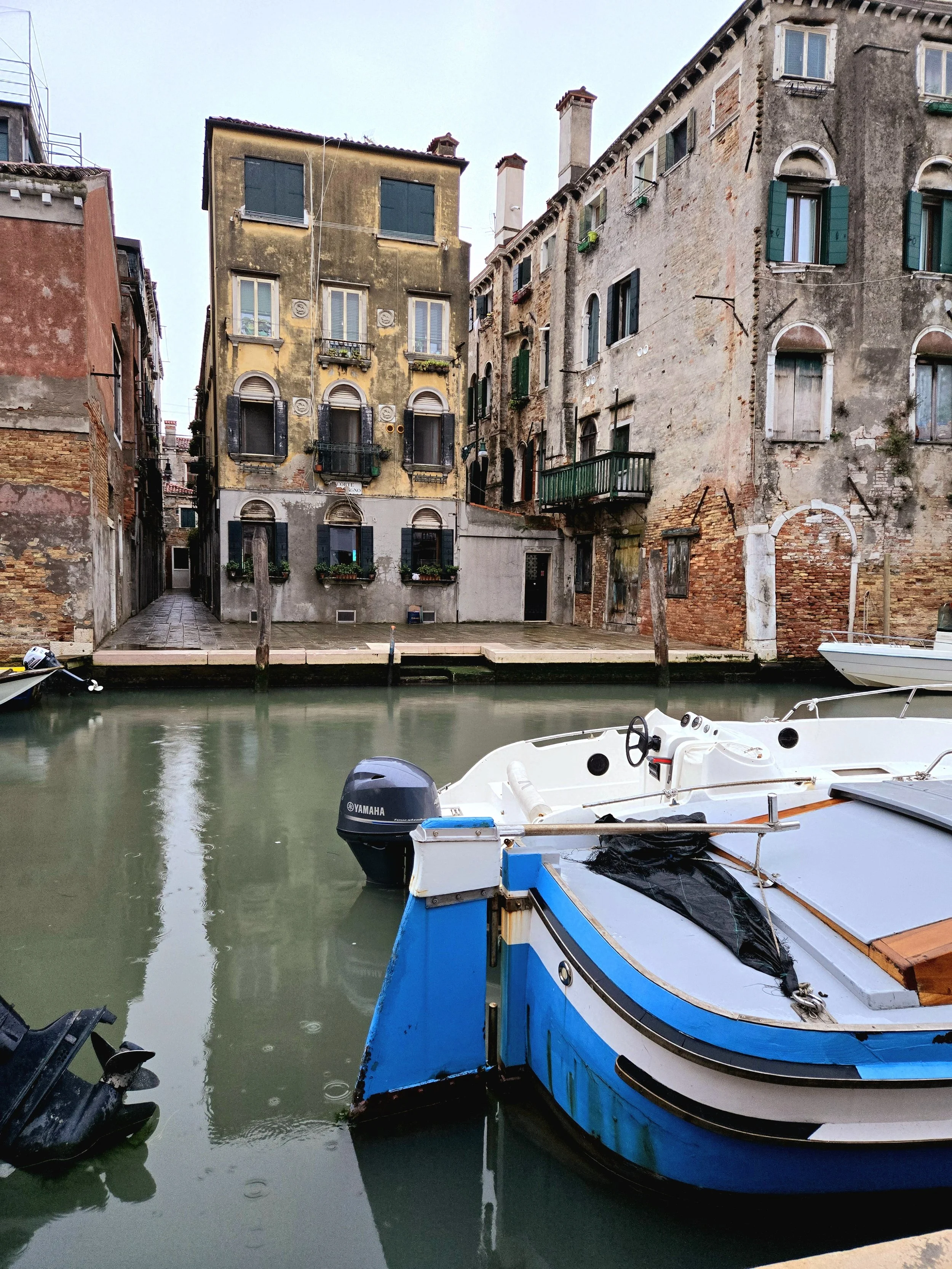
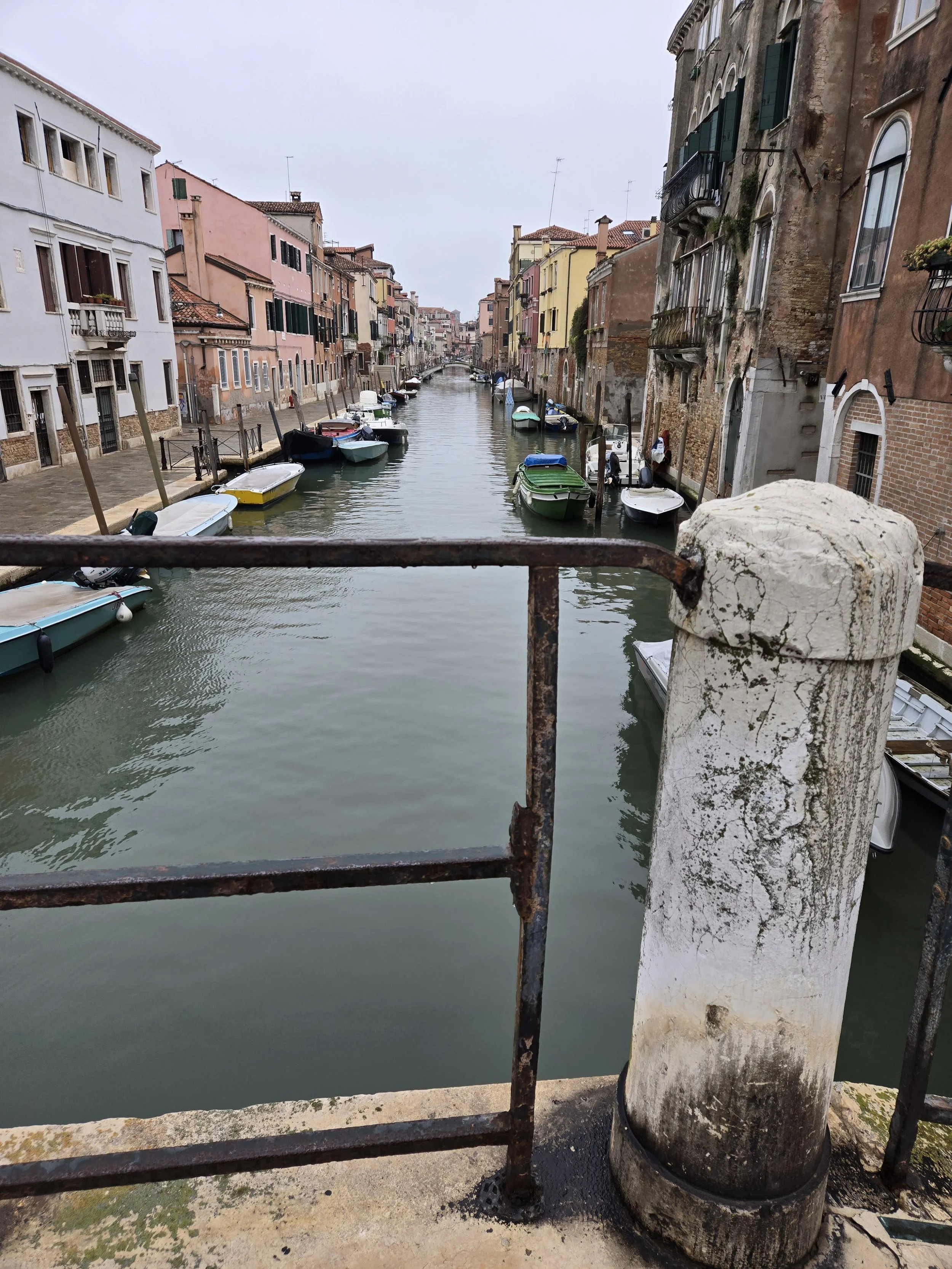
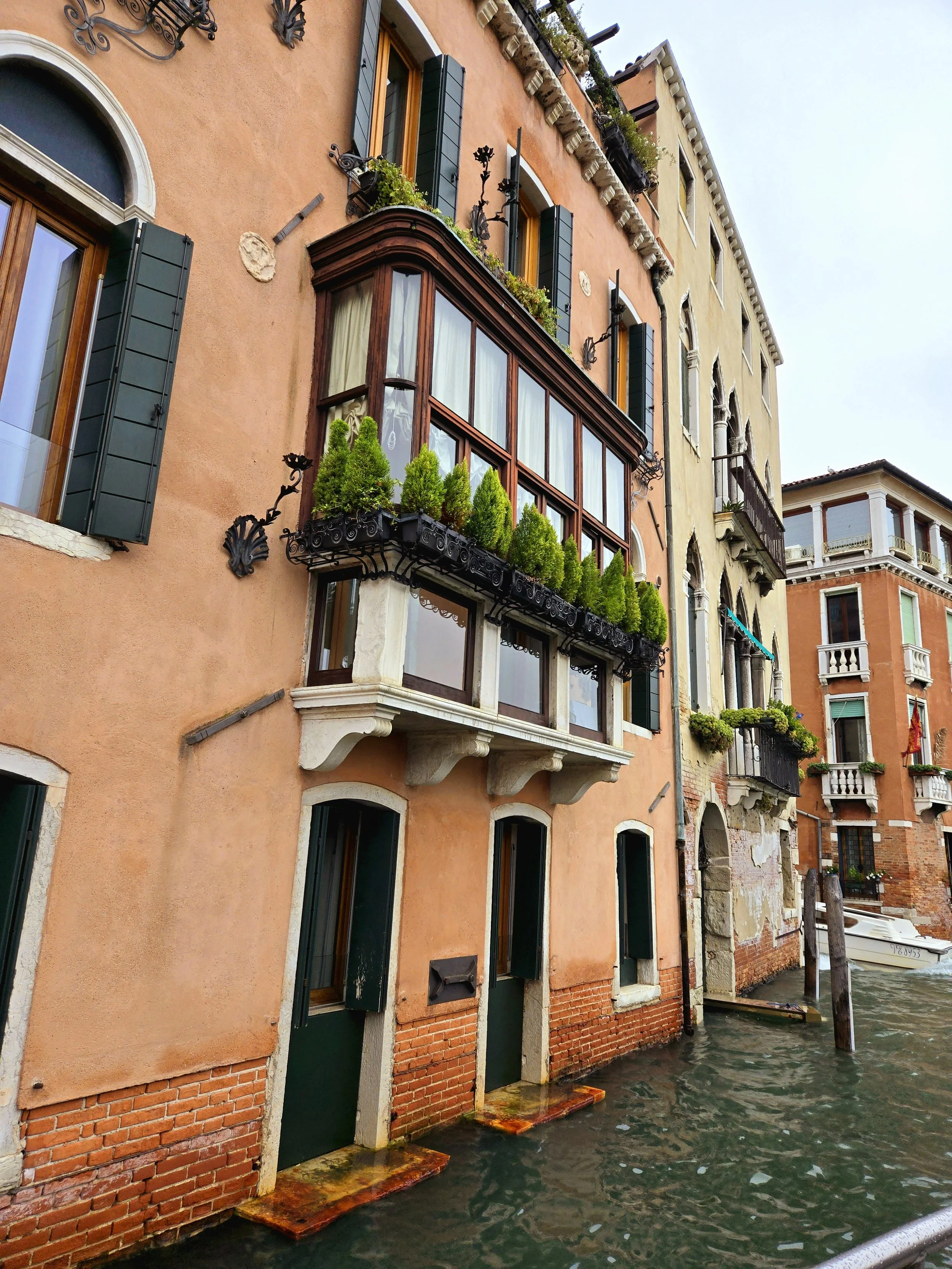
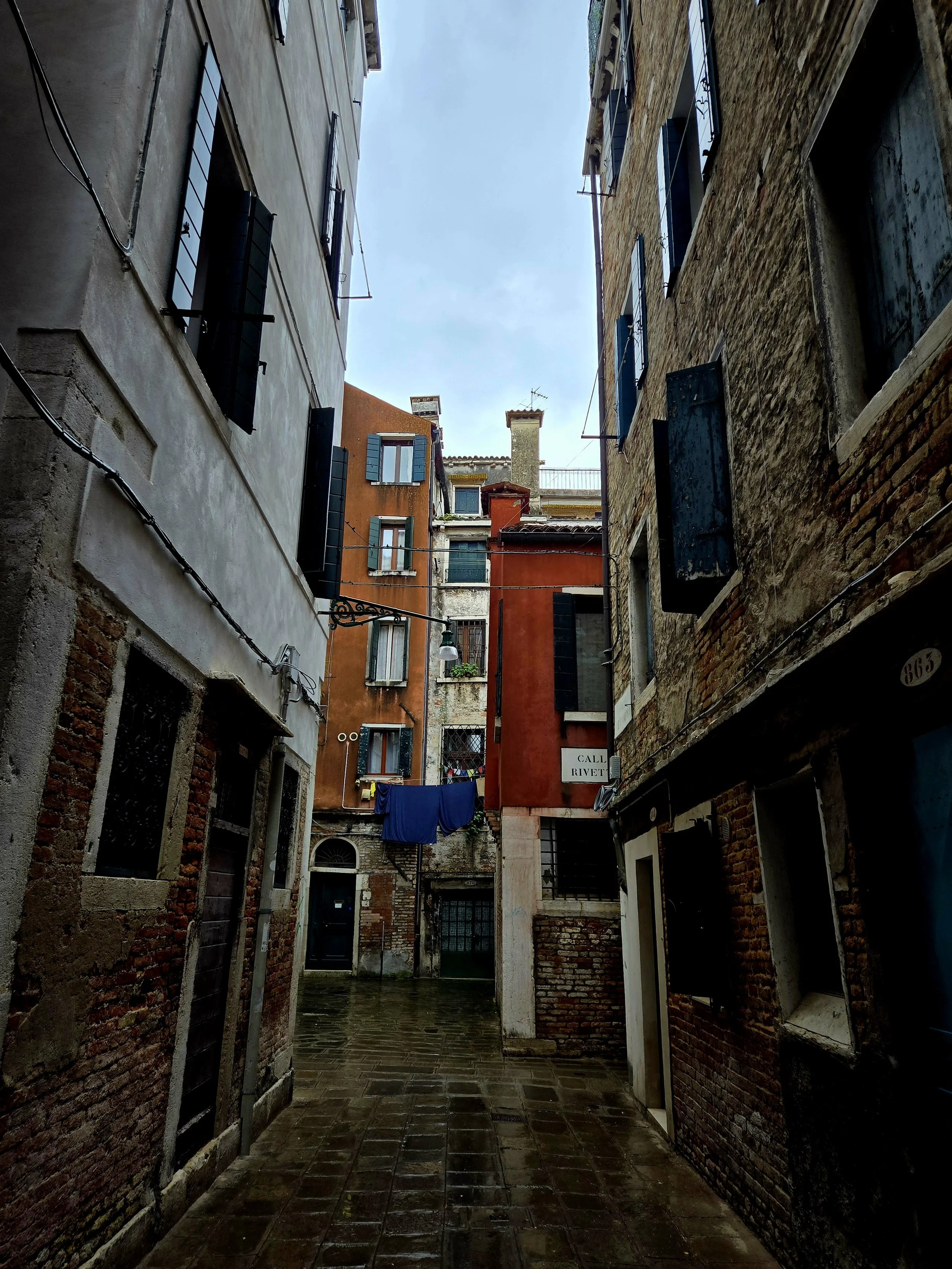
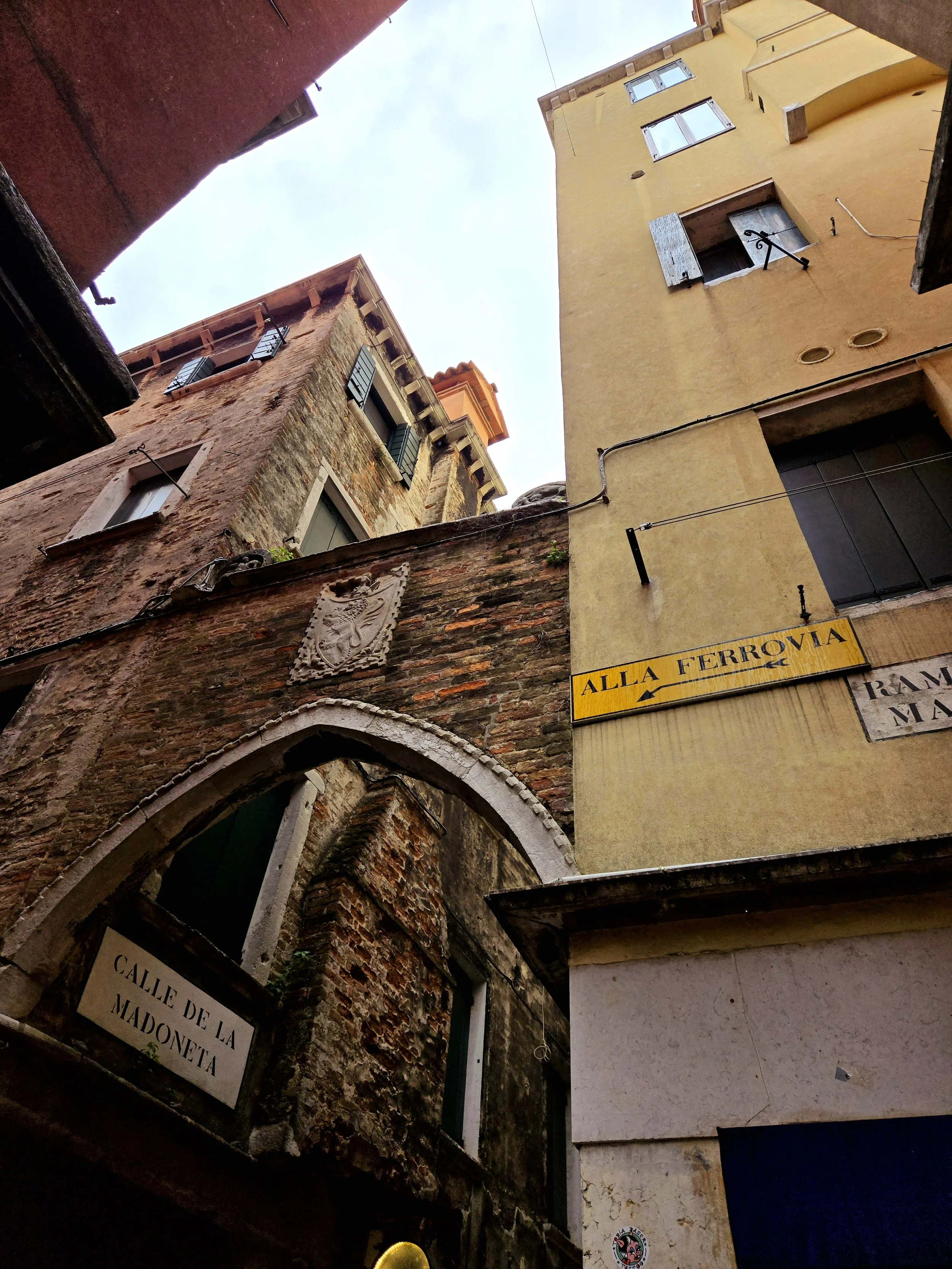
Venice
About
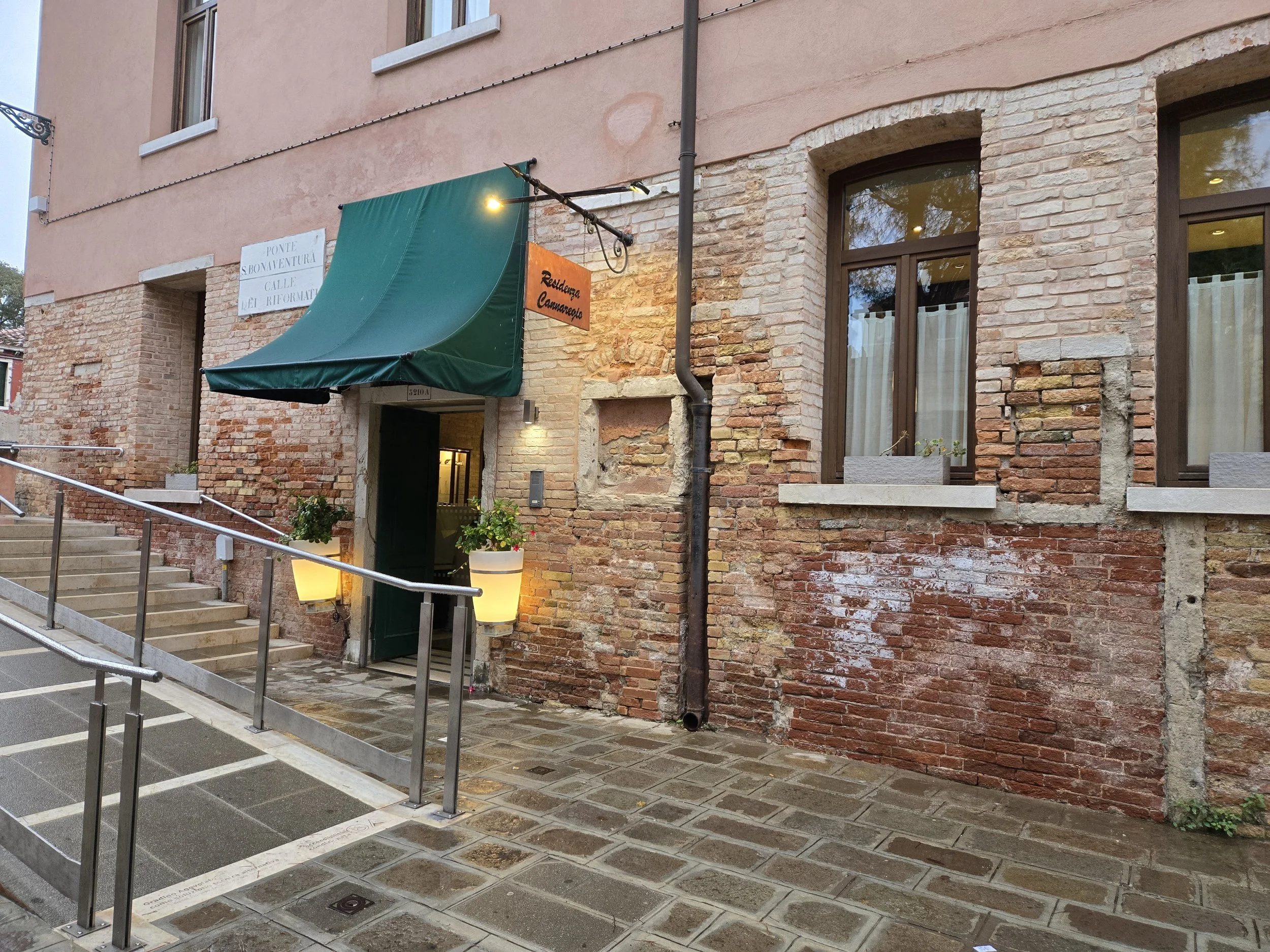
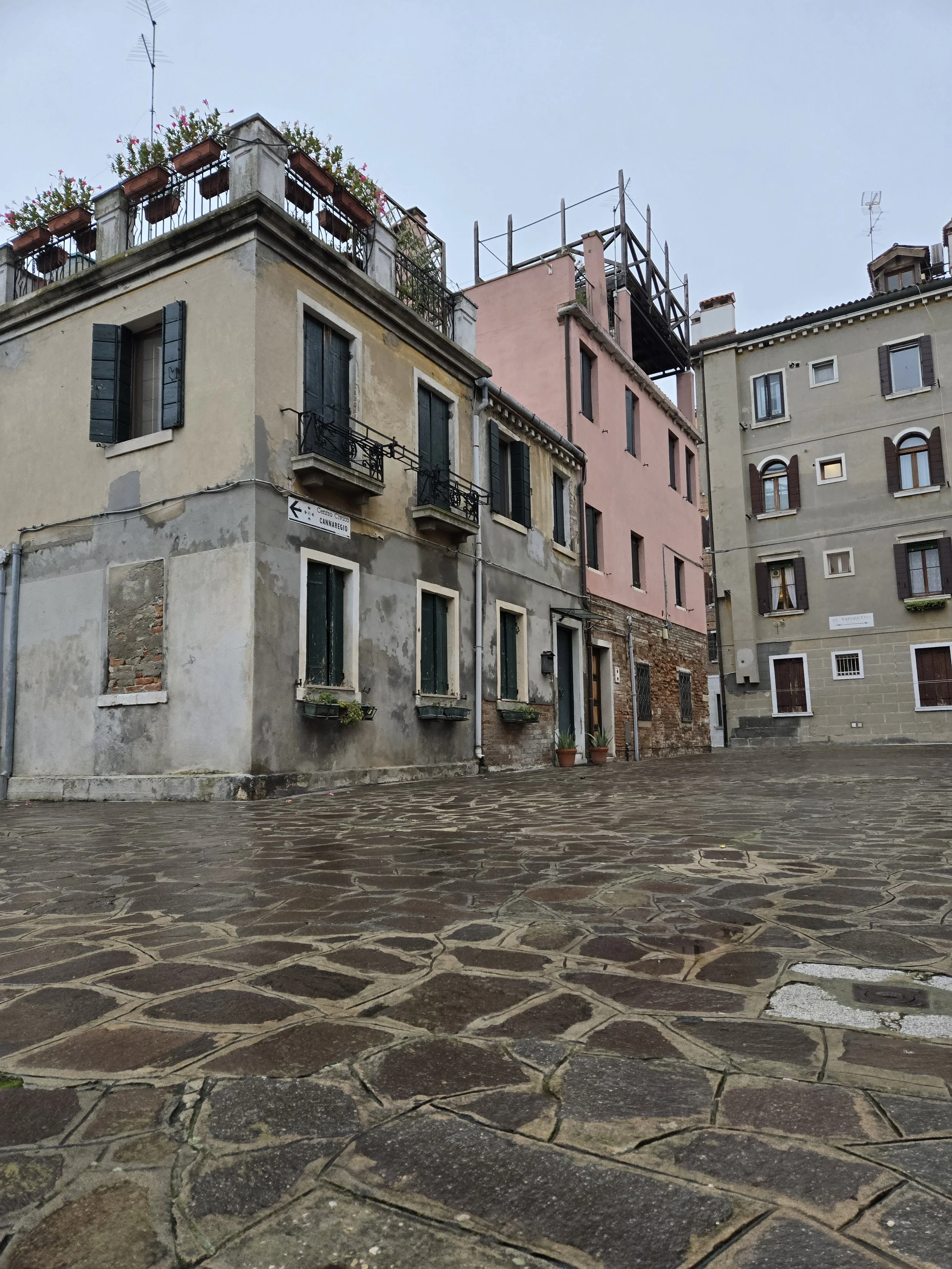
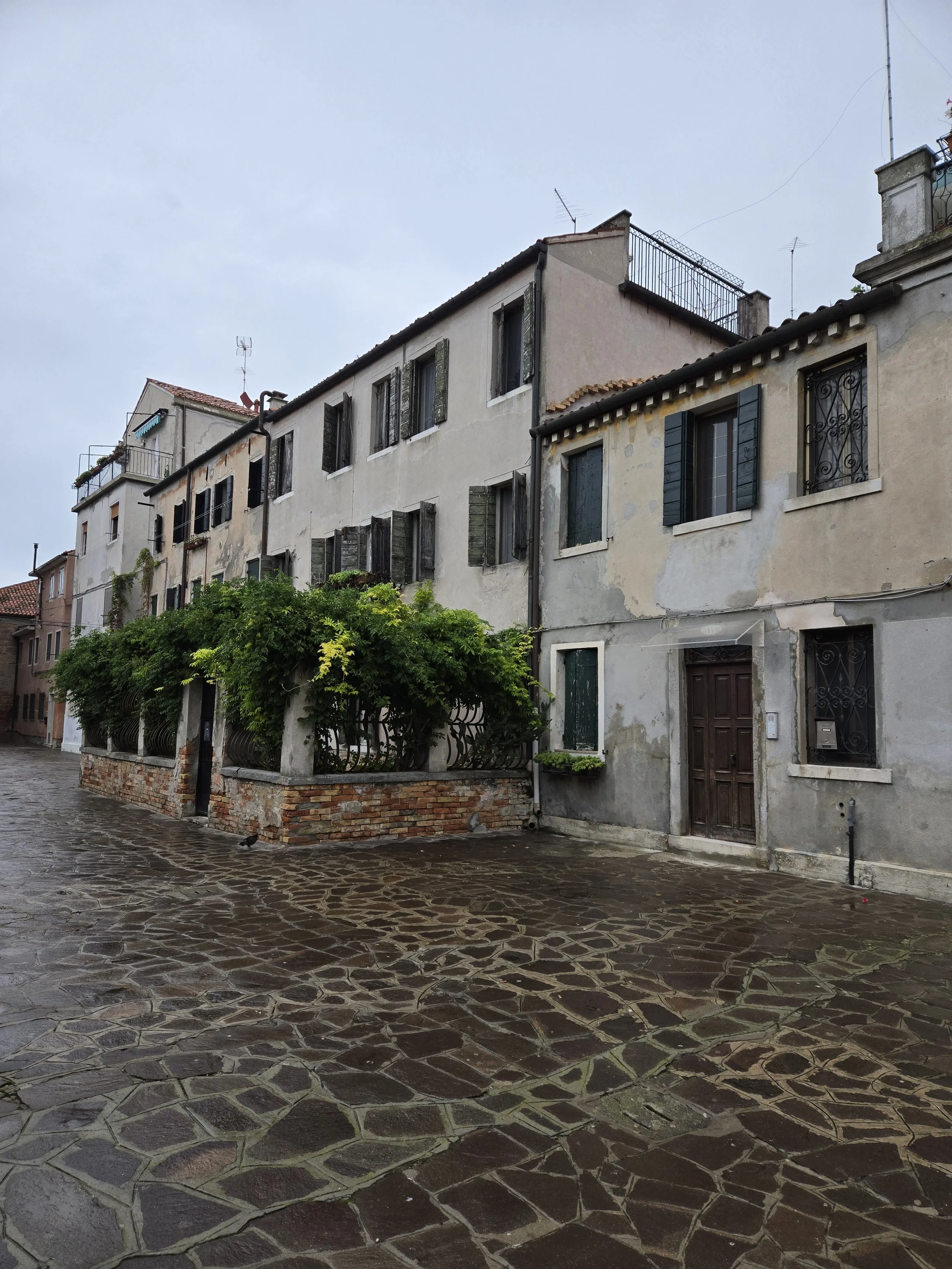
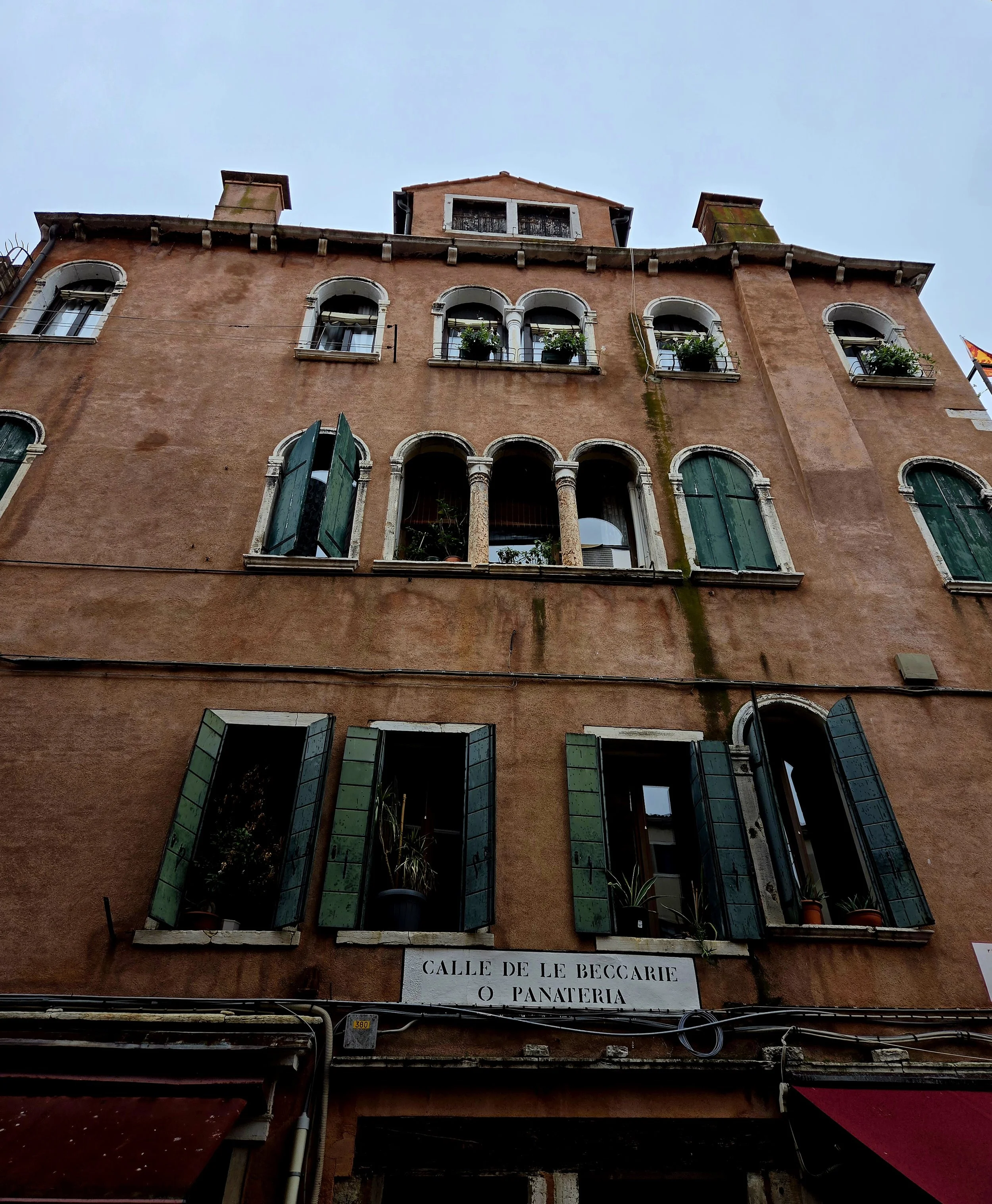
Stay in less crowded neighborhoods such as Cannaregio or Castello, as San Marco and San Polo are not advised due to being very crowded
The municipality of Venice is divided into two distinct parts—the historic Island of Venice and the industrial Mainland
The airports are located on the Mainland
We took a traditional taxi from the airport to the island
A traditional land taxi from Venice Marco Polo Airport to the edge of Venice island (Piazzale Roma) costs roughly €40 to €55 and takes about 15 to 25 minutes
Water taxis, gondolas, and water buses are the main method of transport in Venice
ACTV Vaporetto: Costs €10 for a single ride
Official city bus system on the water that only operates within Venice and its surrounding islands
Large, flat-bottom public transit water buses that are operated by the city
A ticket is only valid for 75 minutes
We used this method of transport and it was really enjoyable
I did get a little nauseous so have medication on stand-by
Shared Water Taxi Shuttle: Costs roughly €35 to €40 per person
Classic wooden speedboat that is shared with other travelers heading in the same direction, usually dropping you off at the dock closest to your hotel
Gondolas: Costs €90 for 30 minutes during the day and €110 after 7:00pm
Each boat holds up to 5 passengers
Expensive and not worth the hype
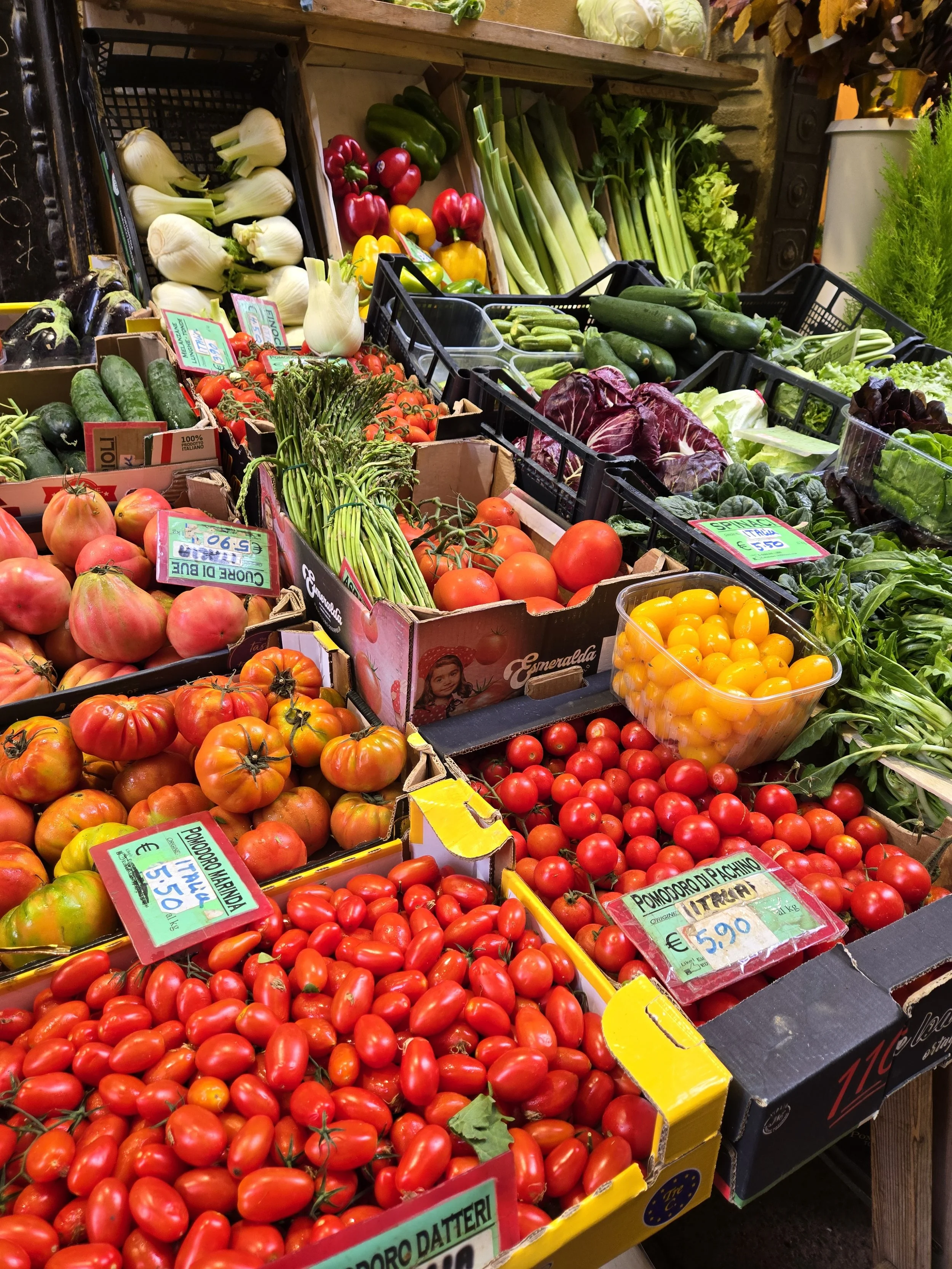
Be sure to visit the open air markets if possible
Be sure to try the following foods Venice is known for:
Fresh lagoon seafood with historic maritime spices
Aperol Spritz
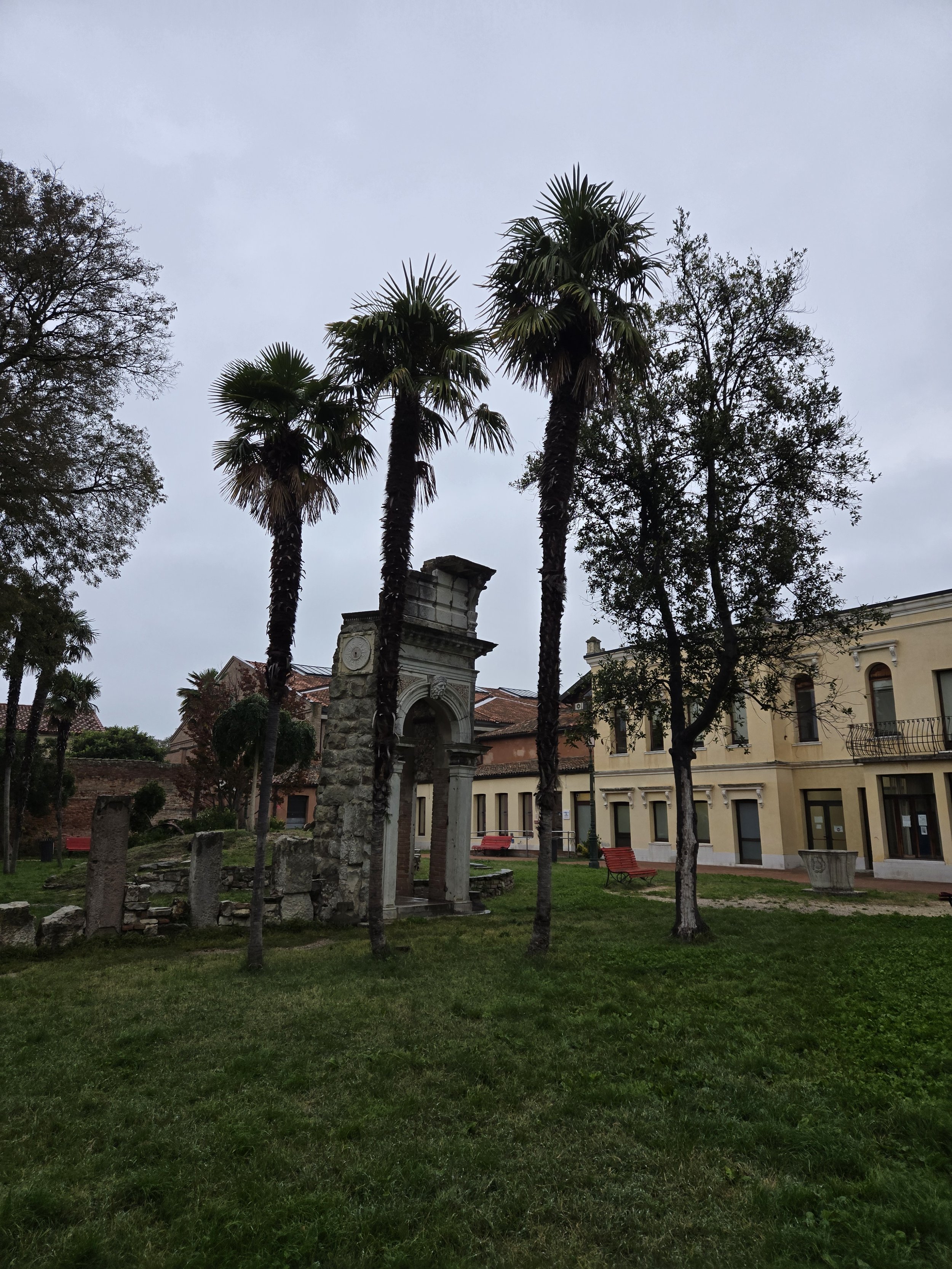
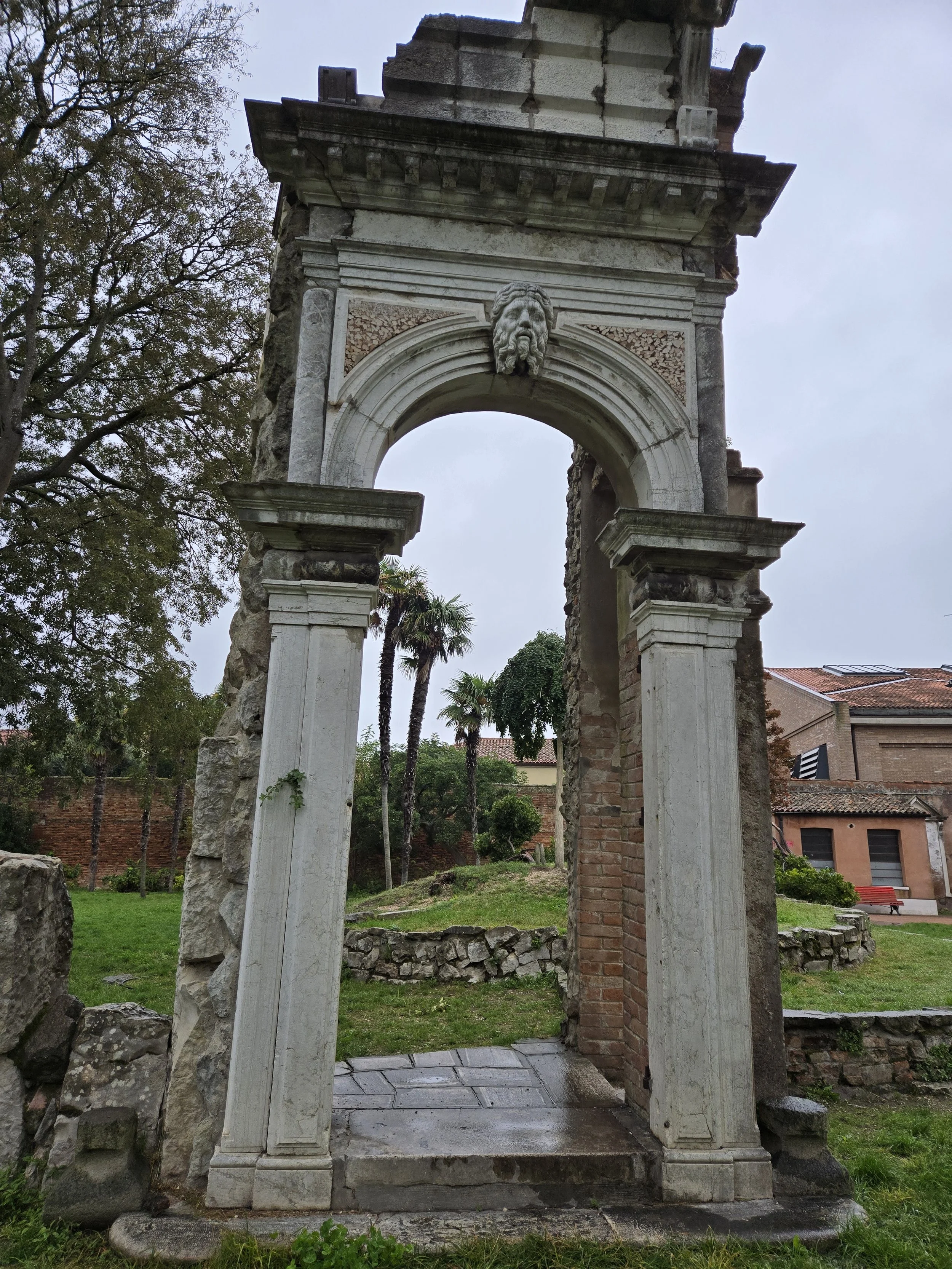
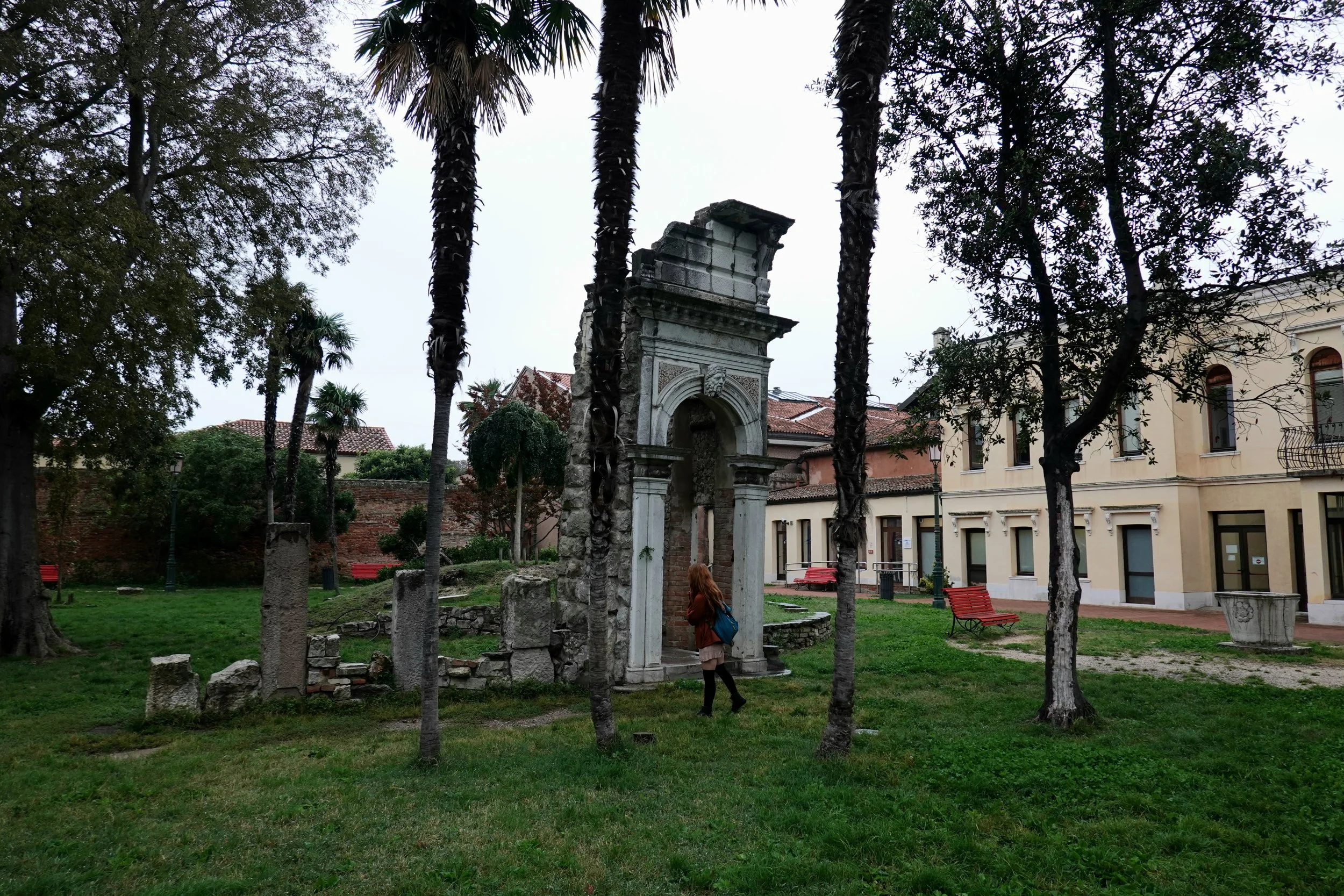
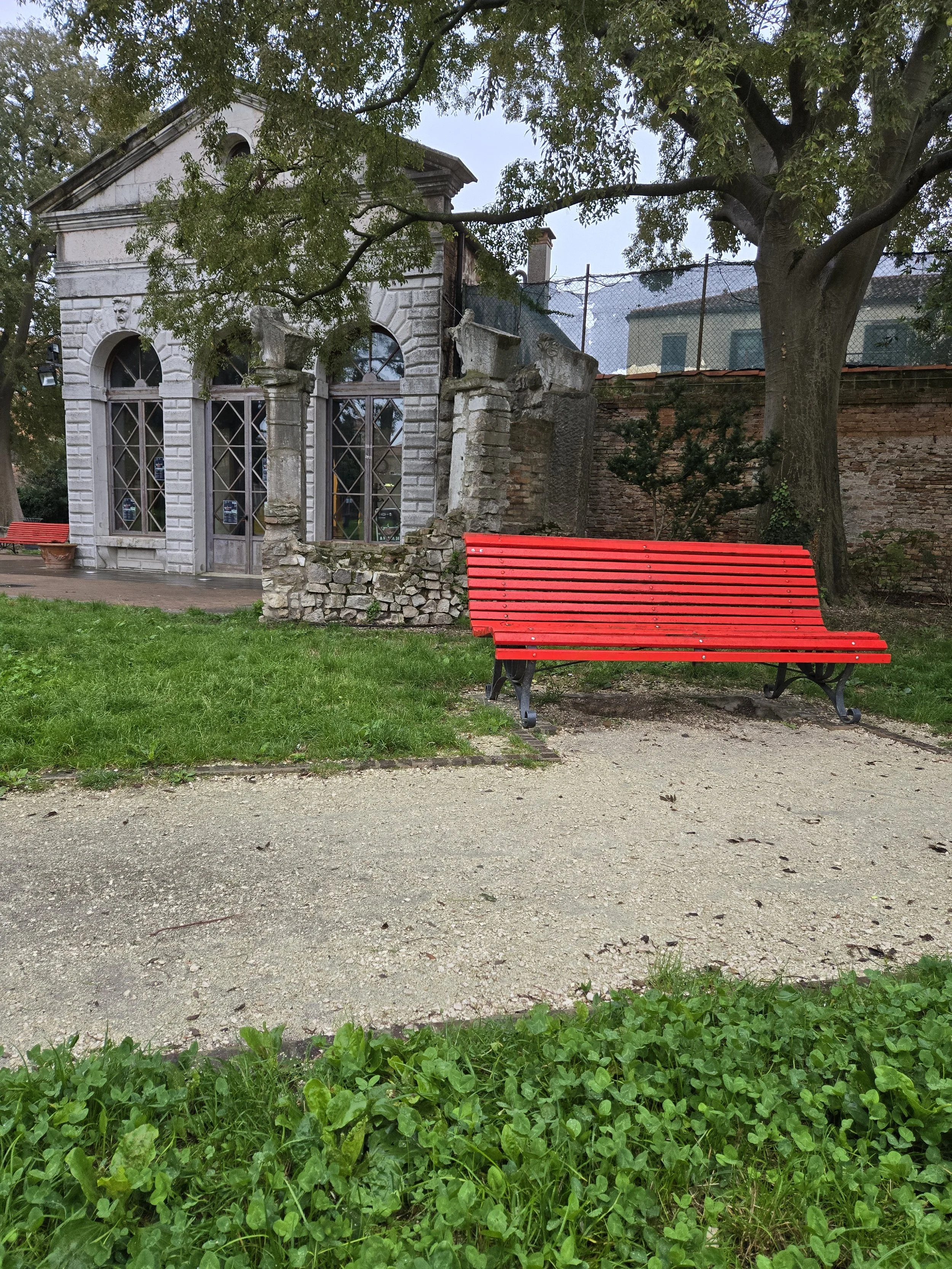
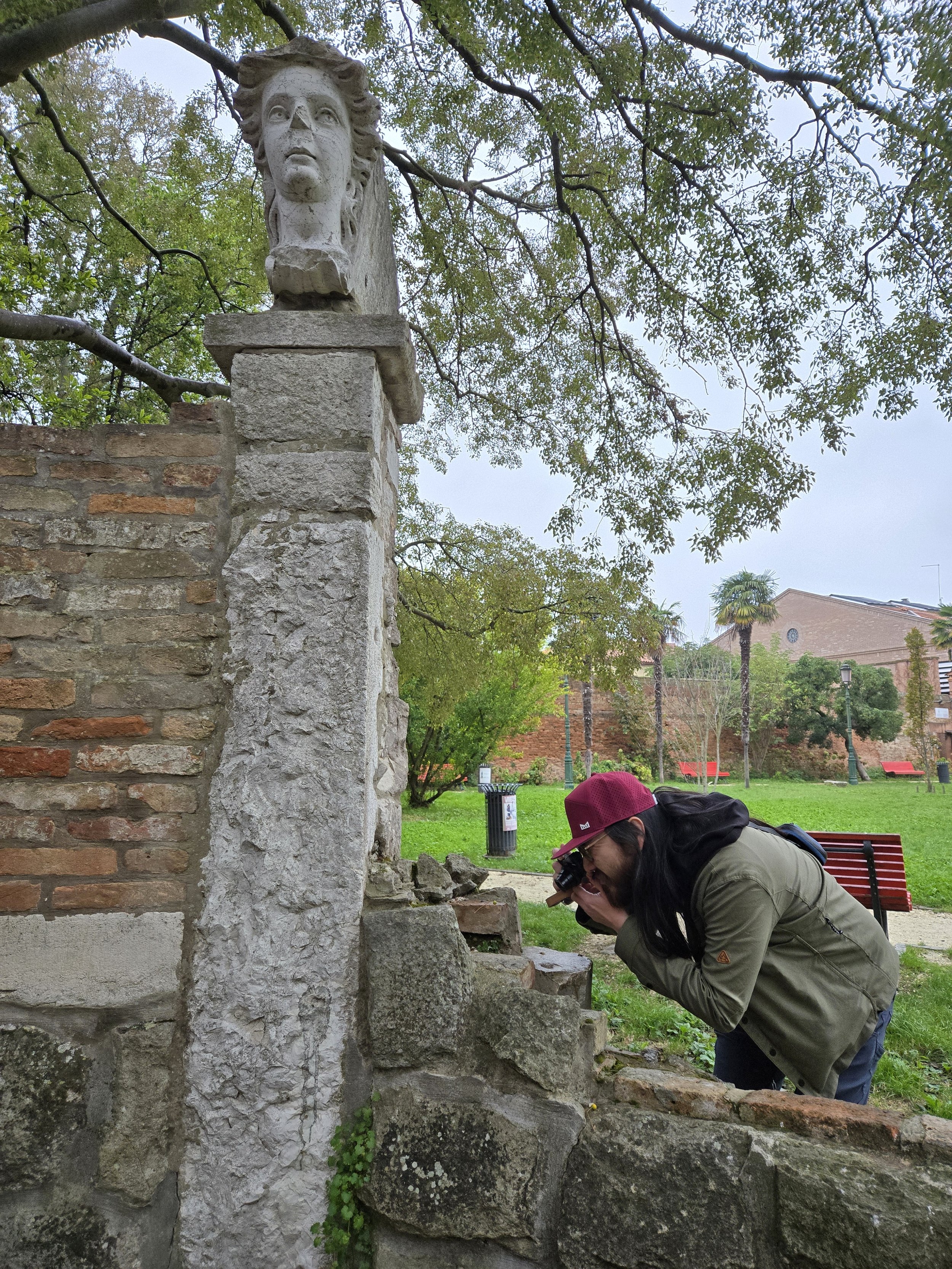
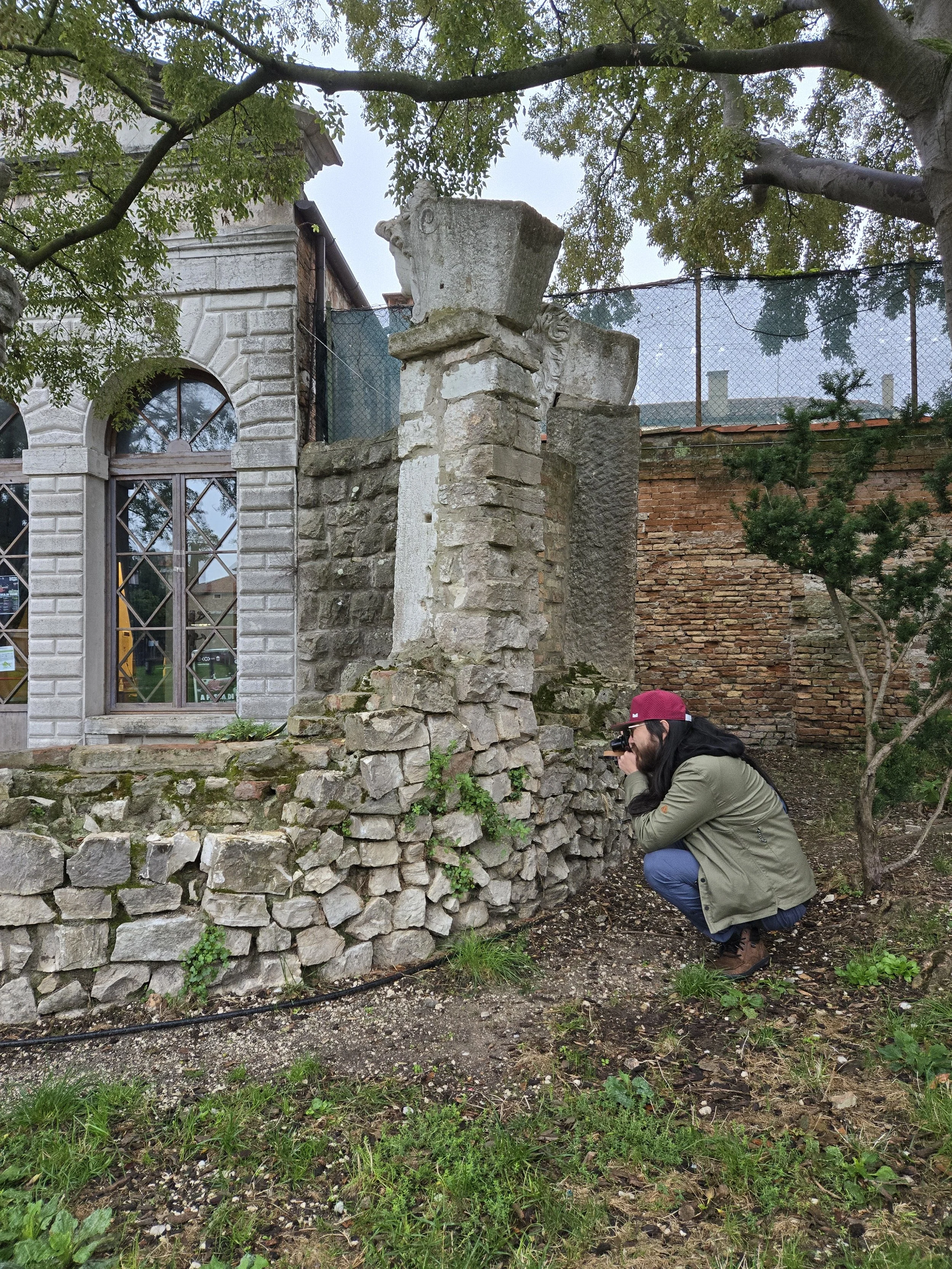
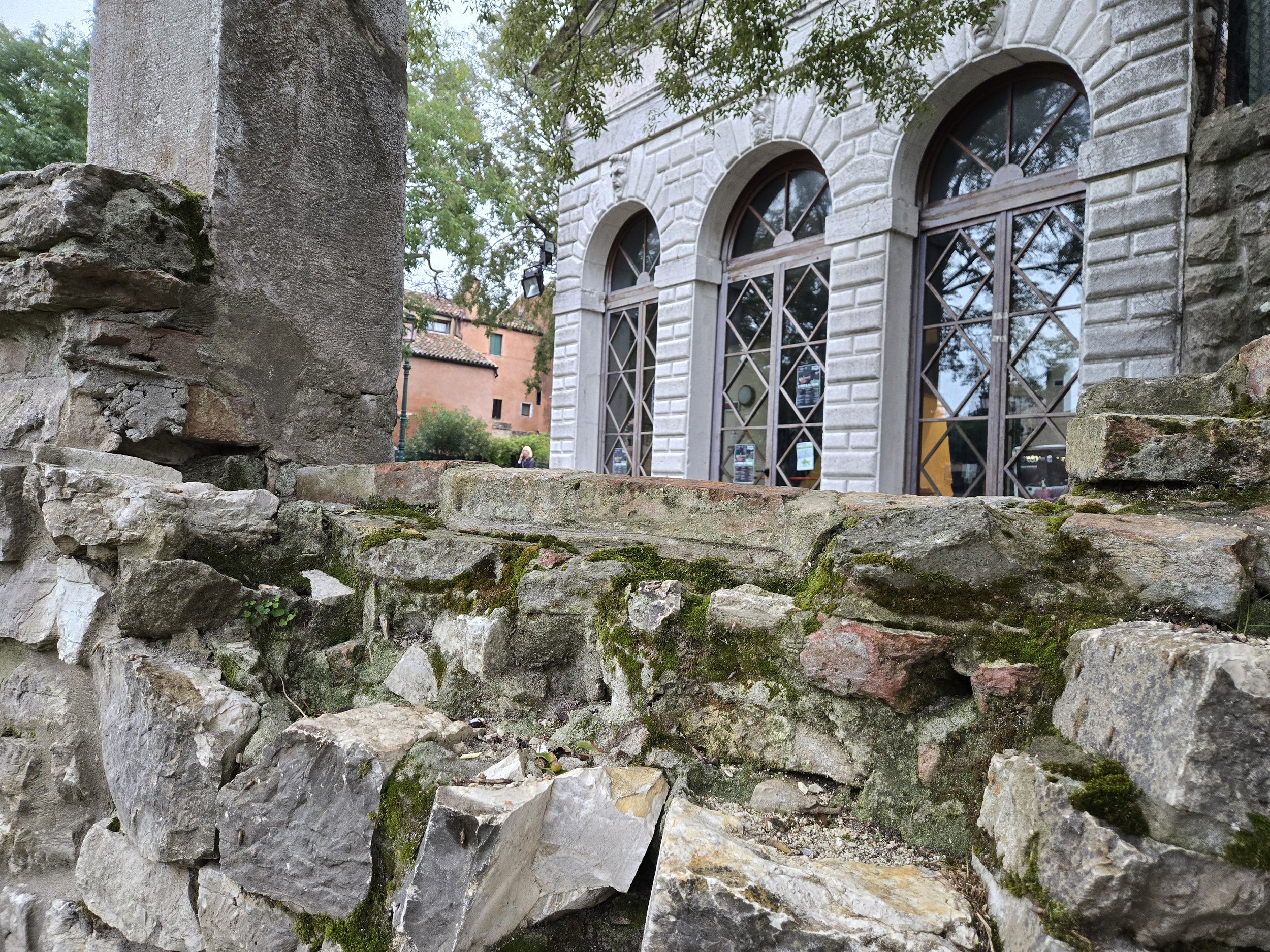
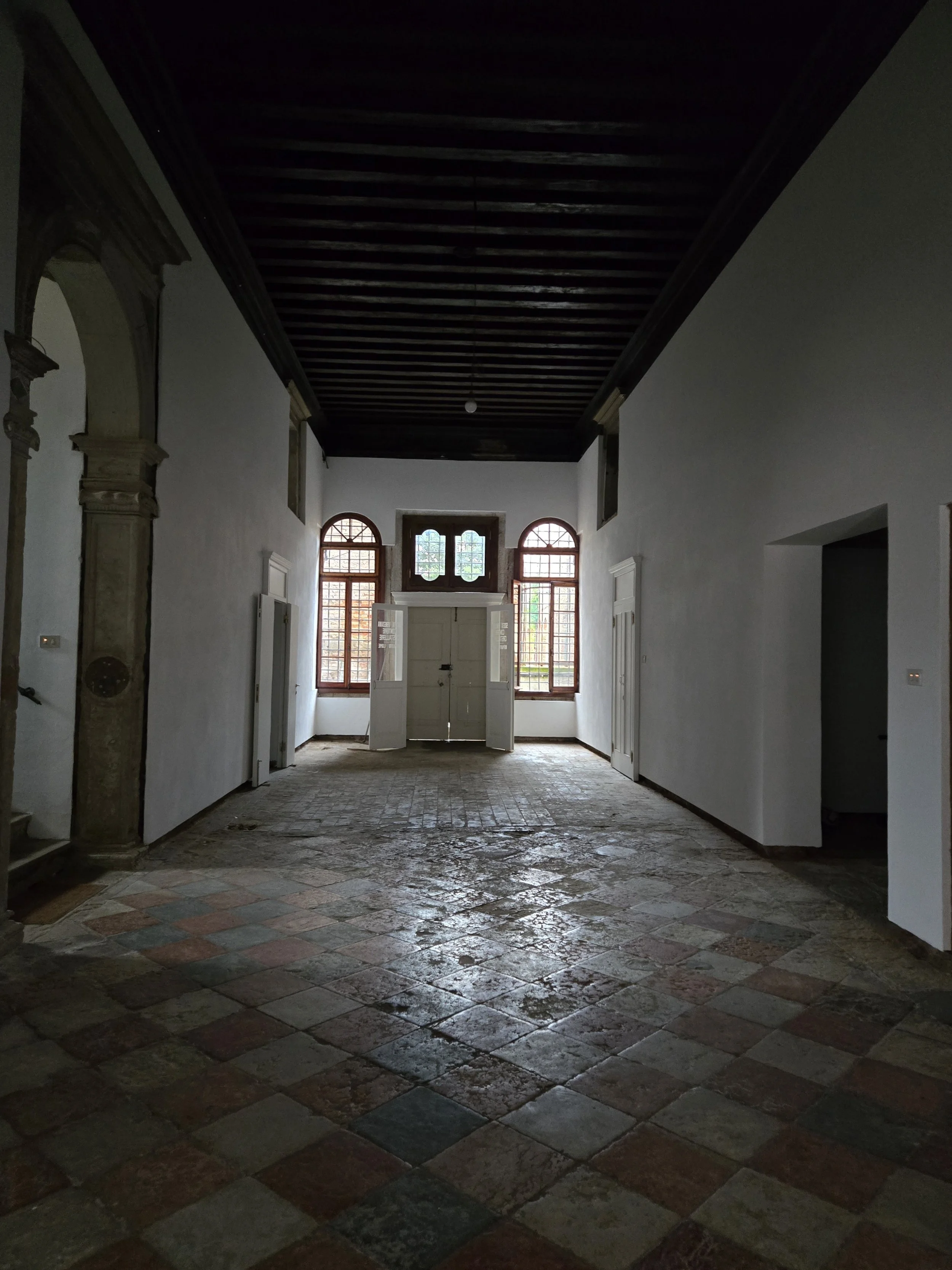
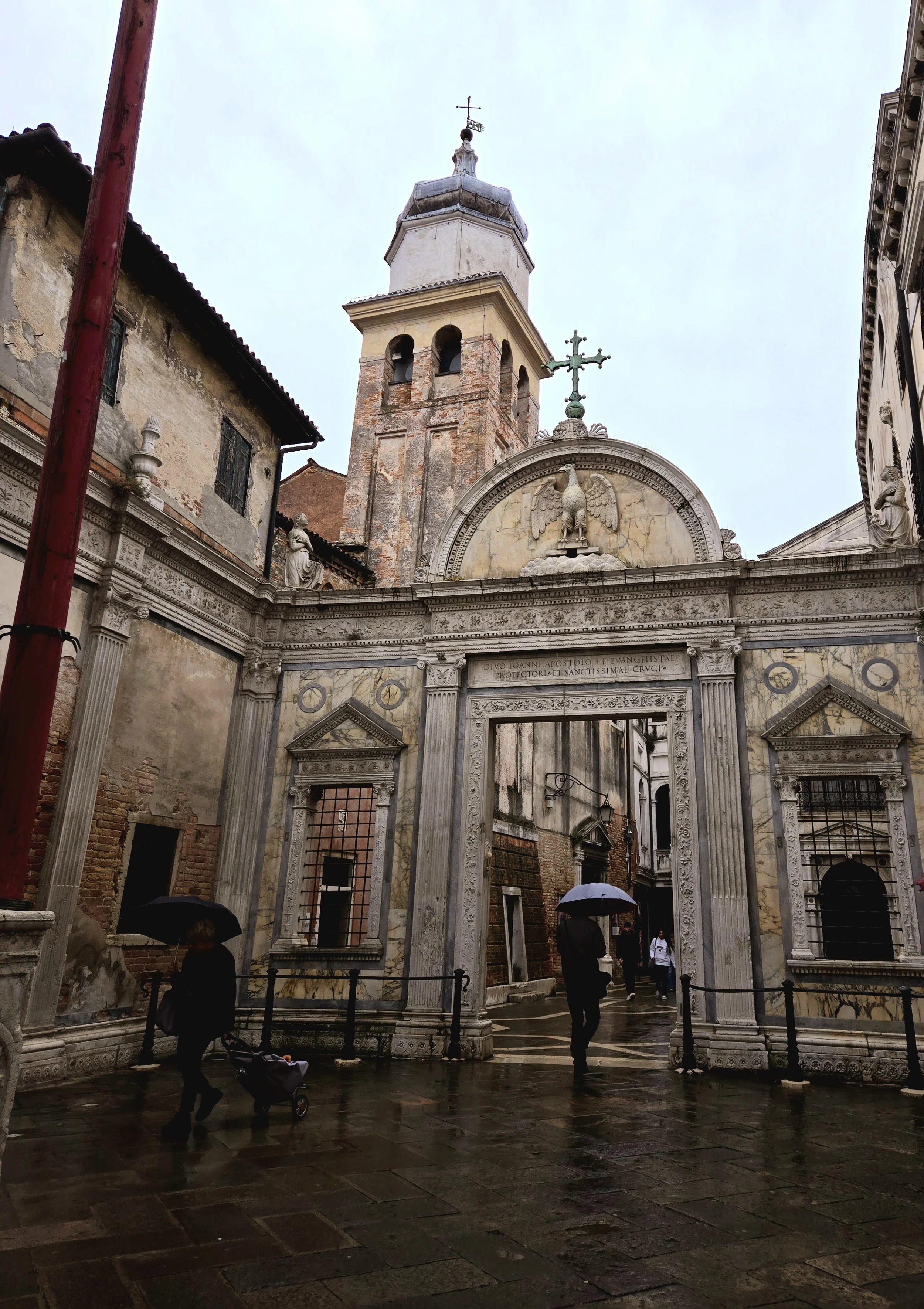
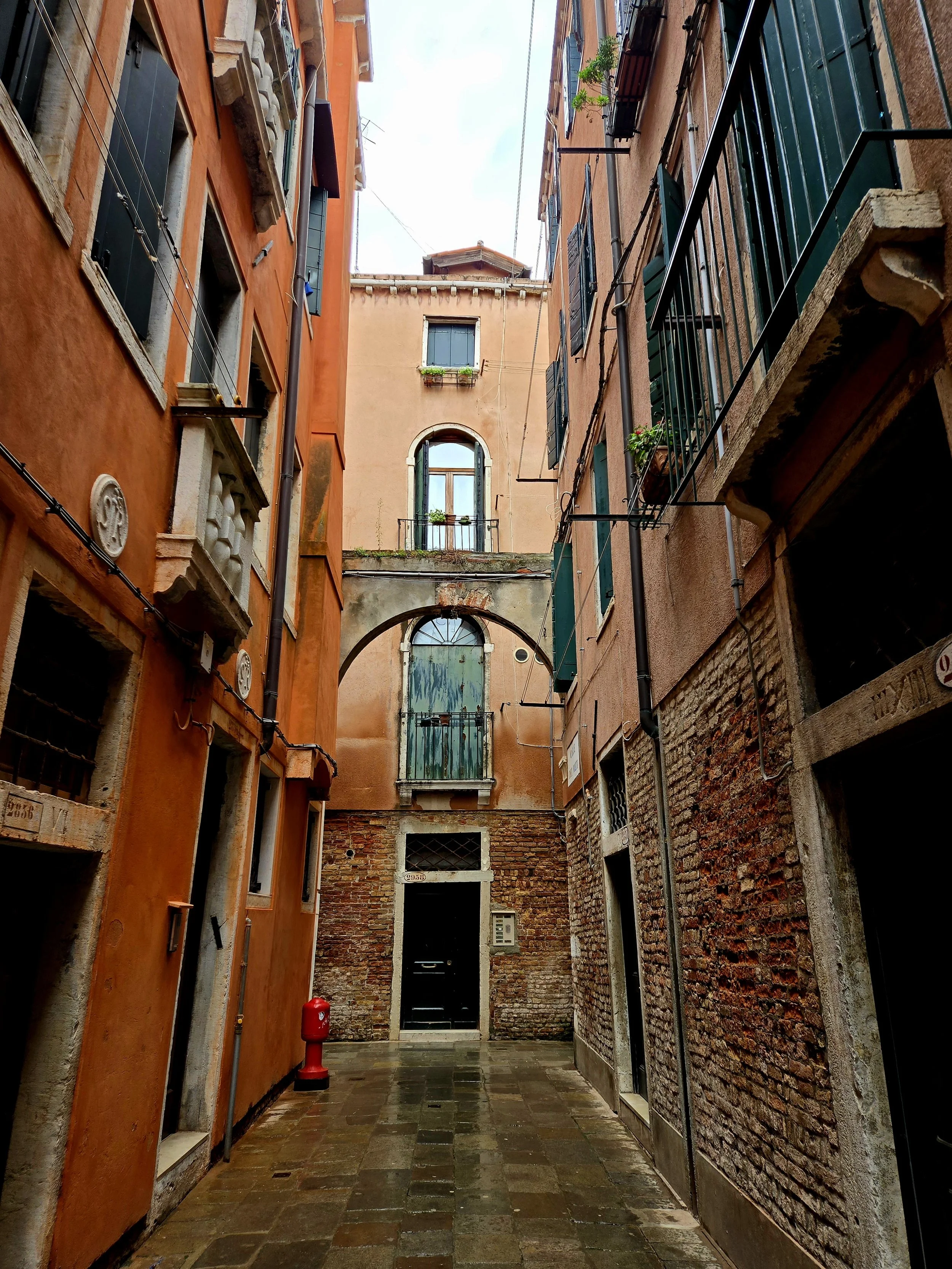
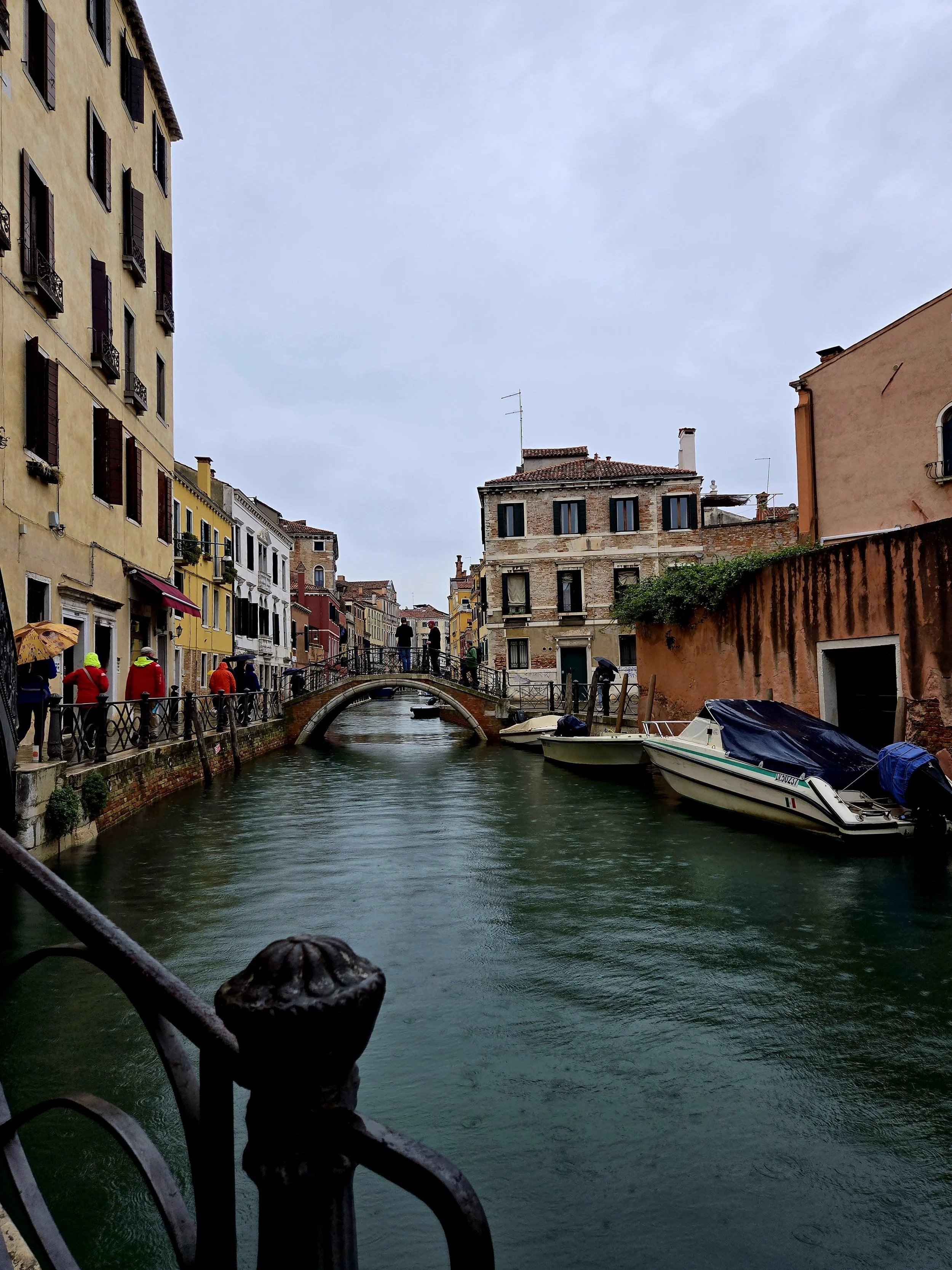
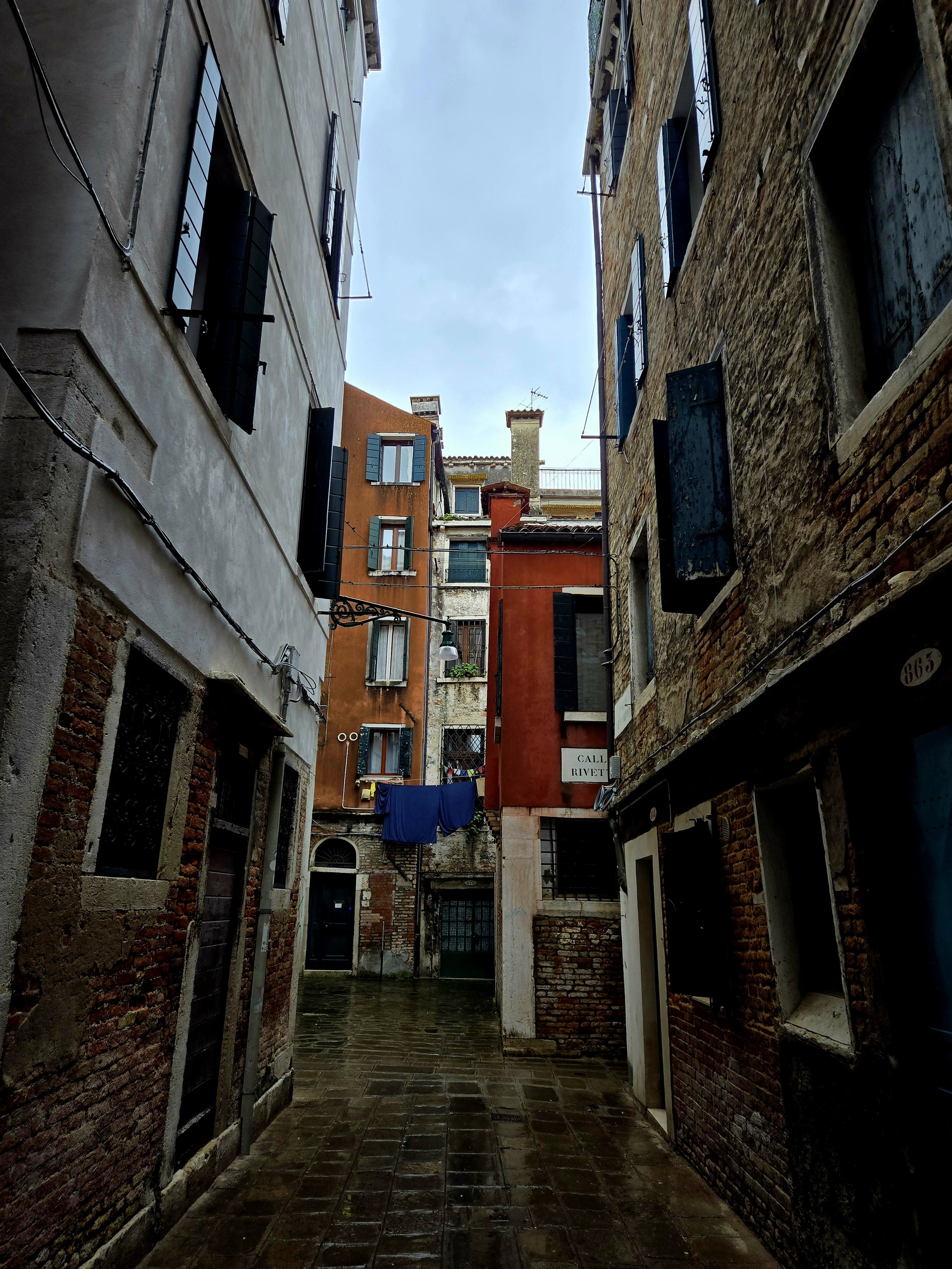
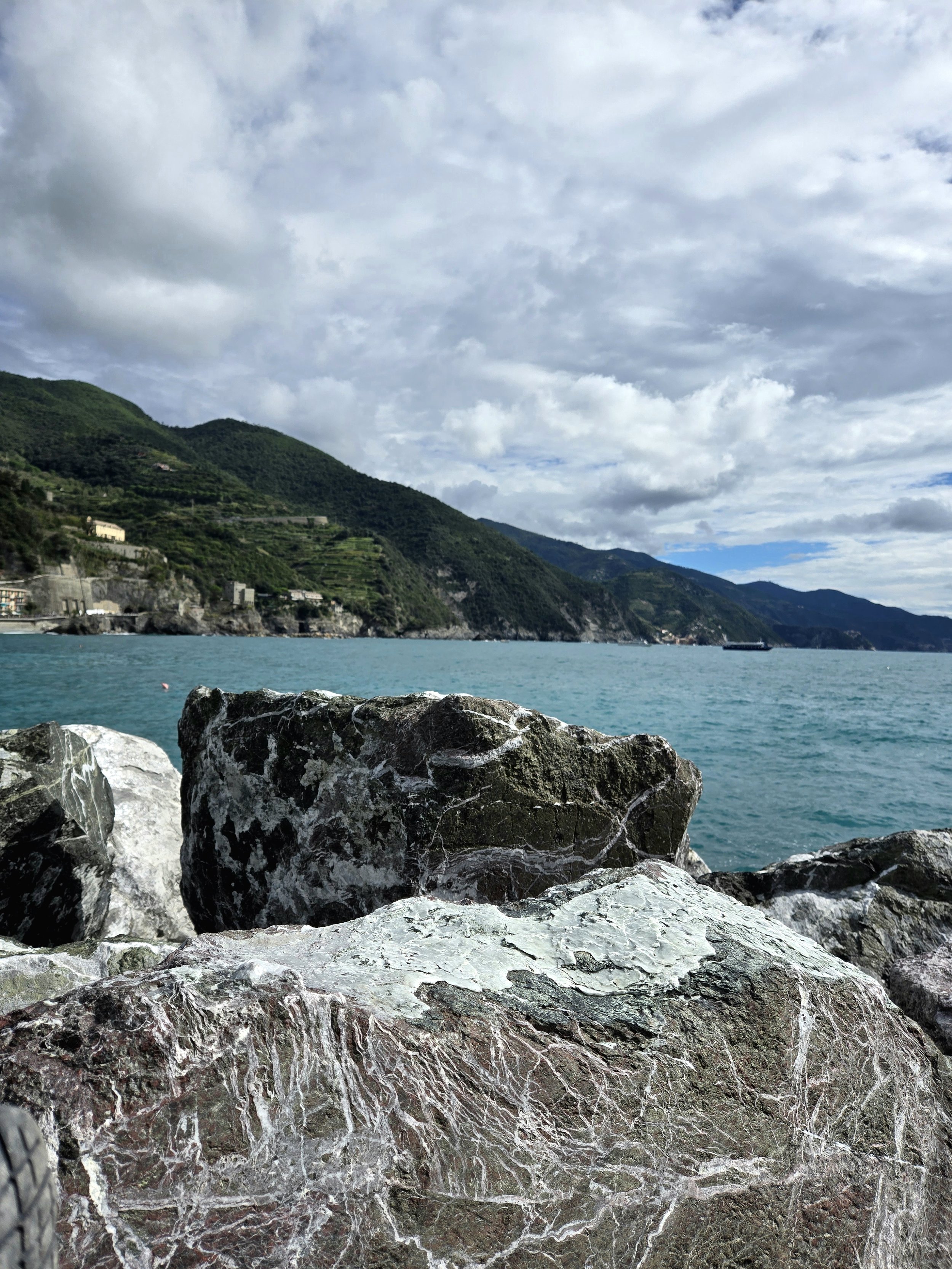
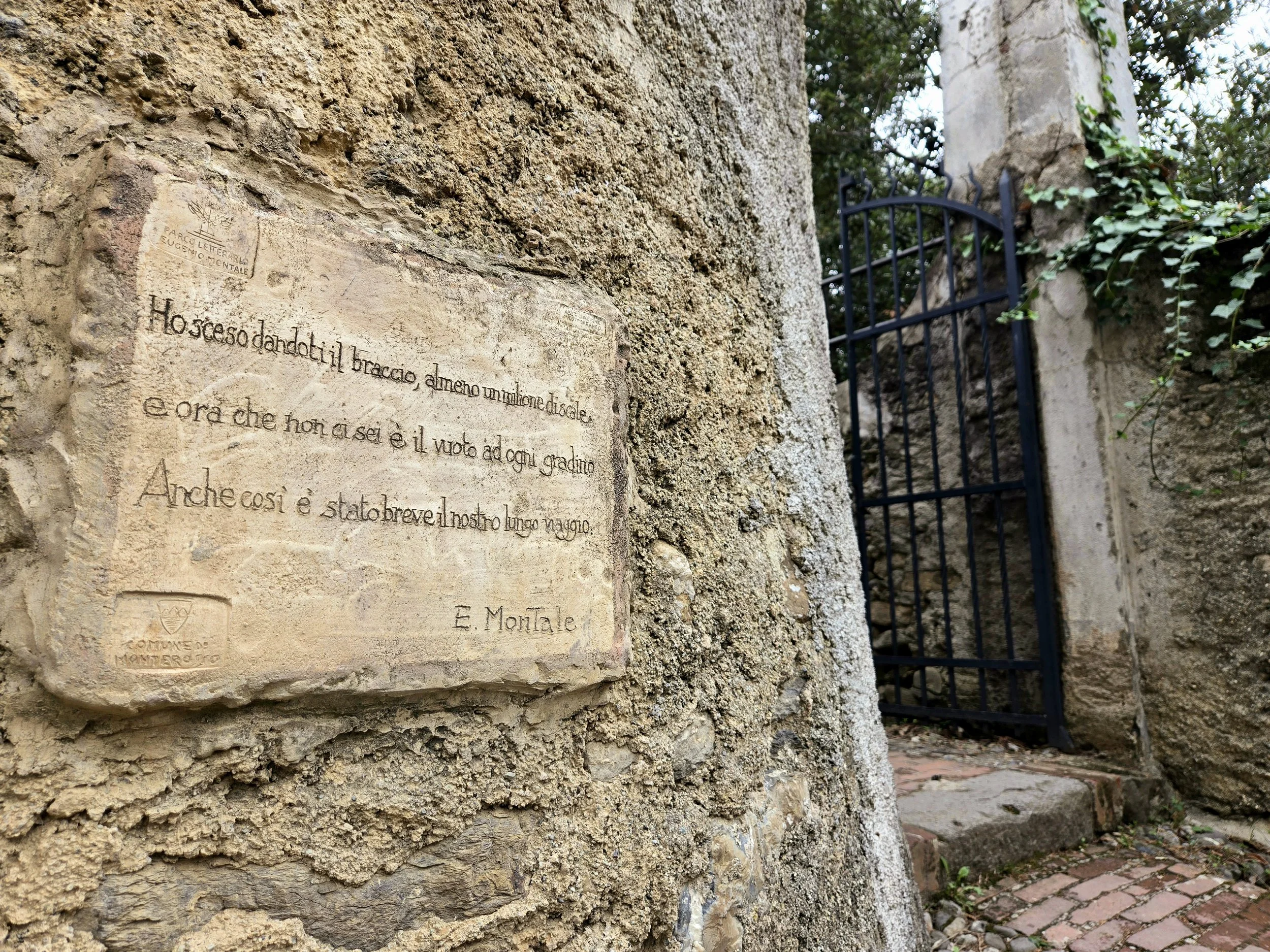
Monterosso al Mare
About
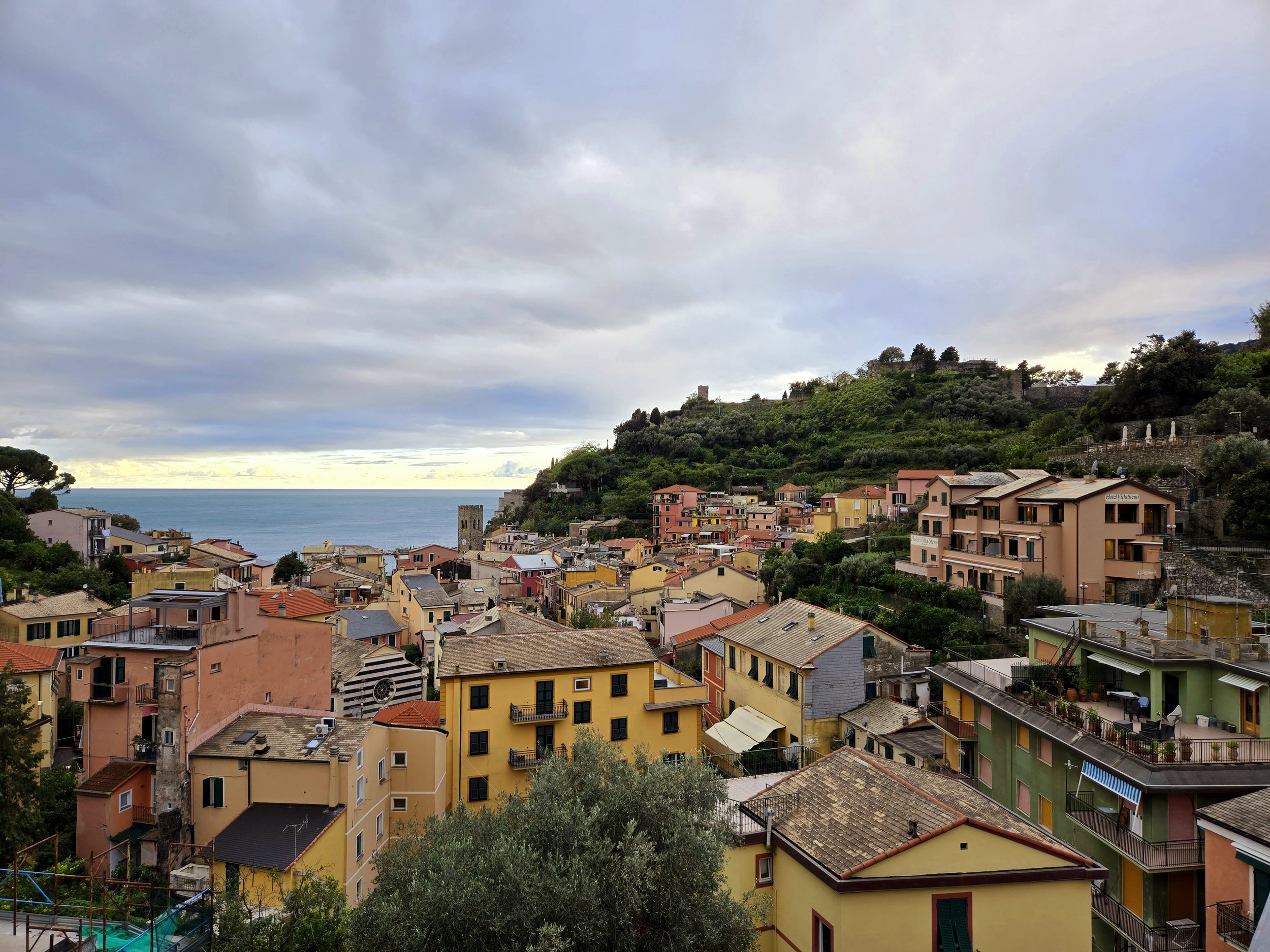
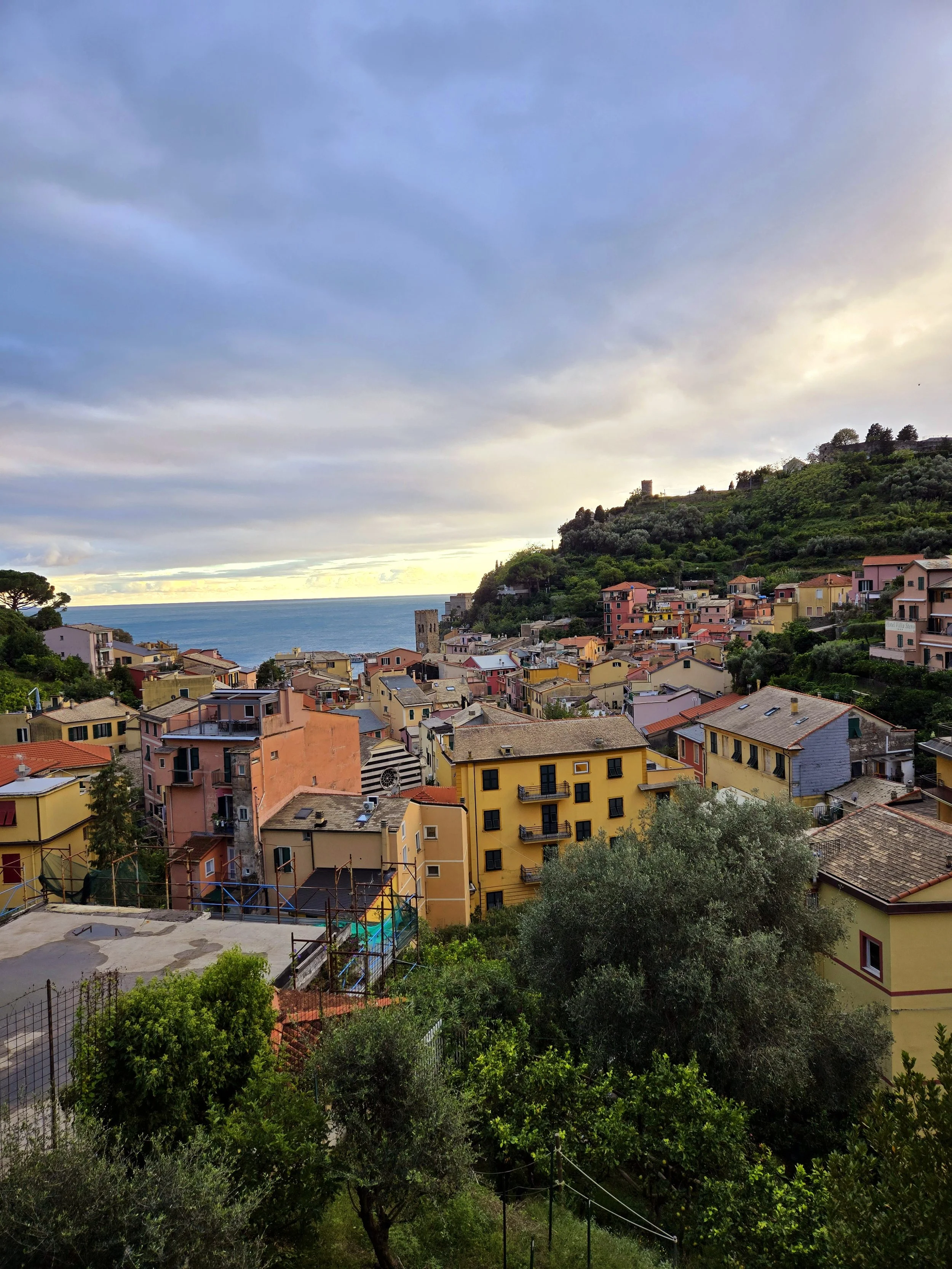
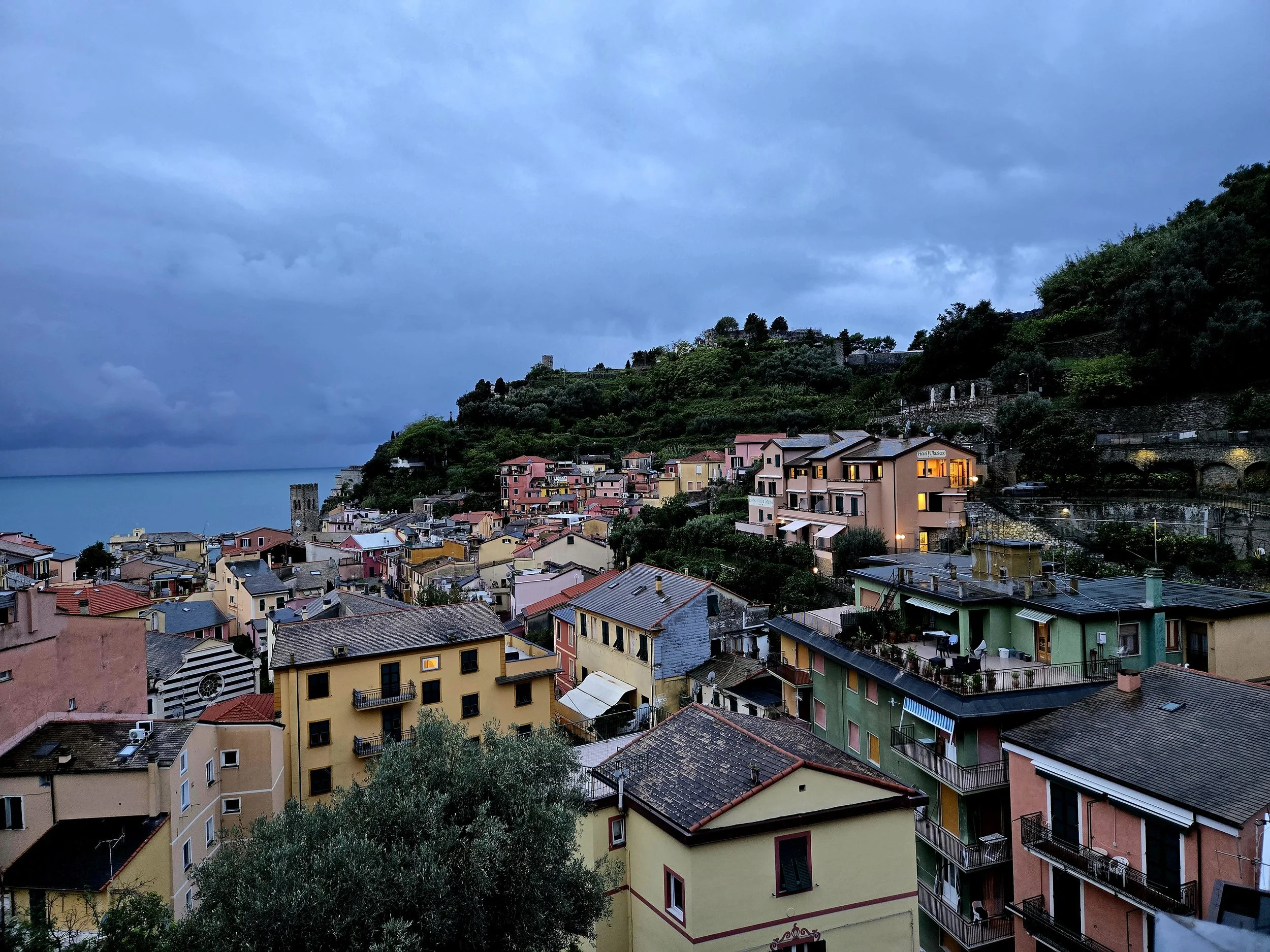
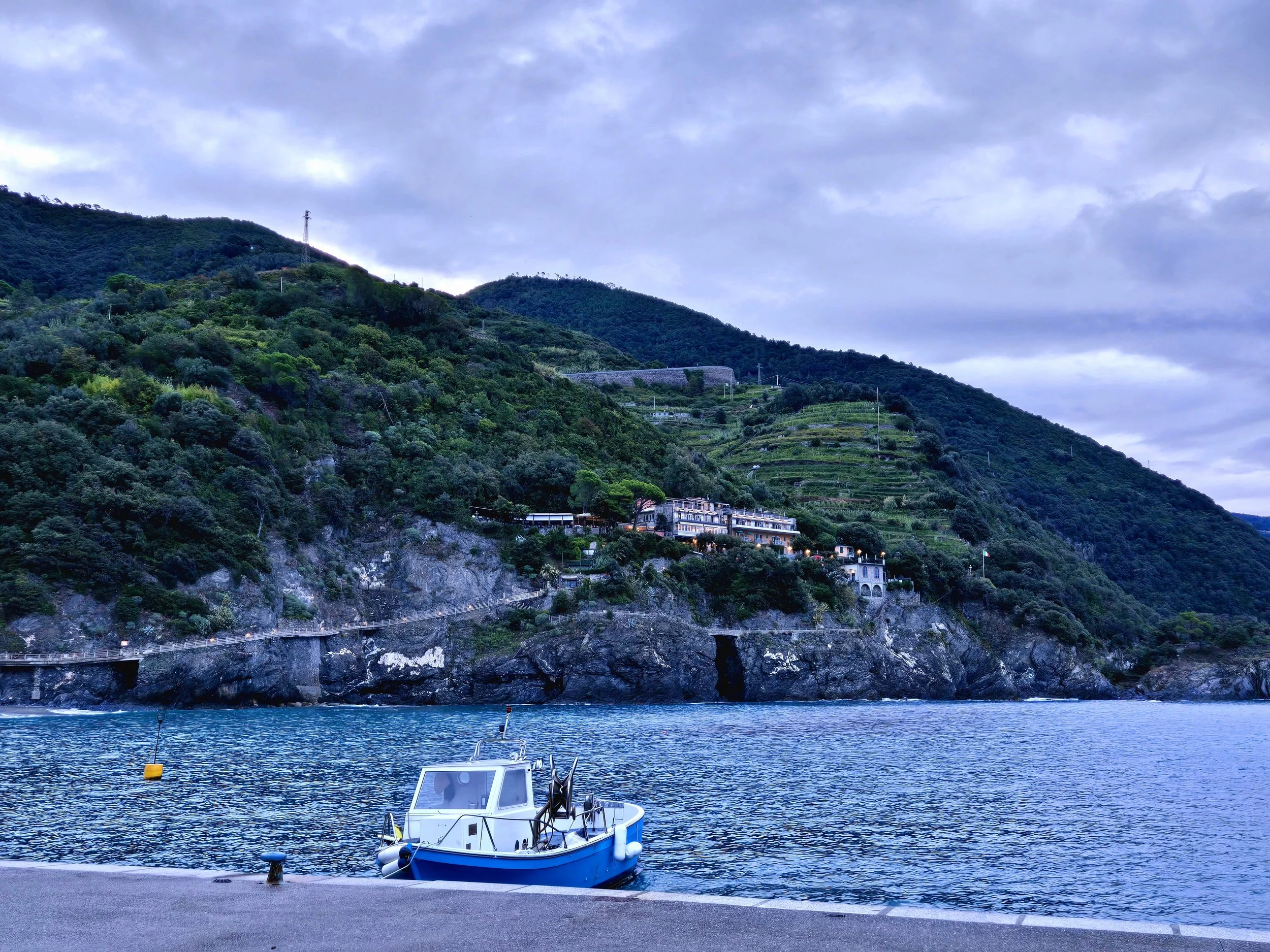
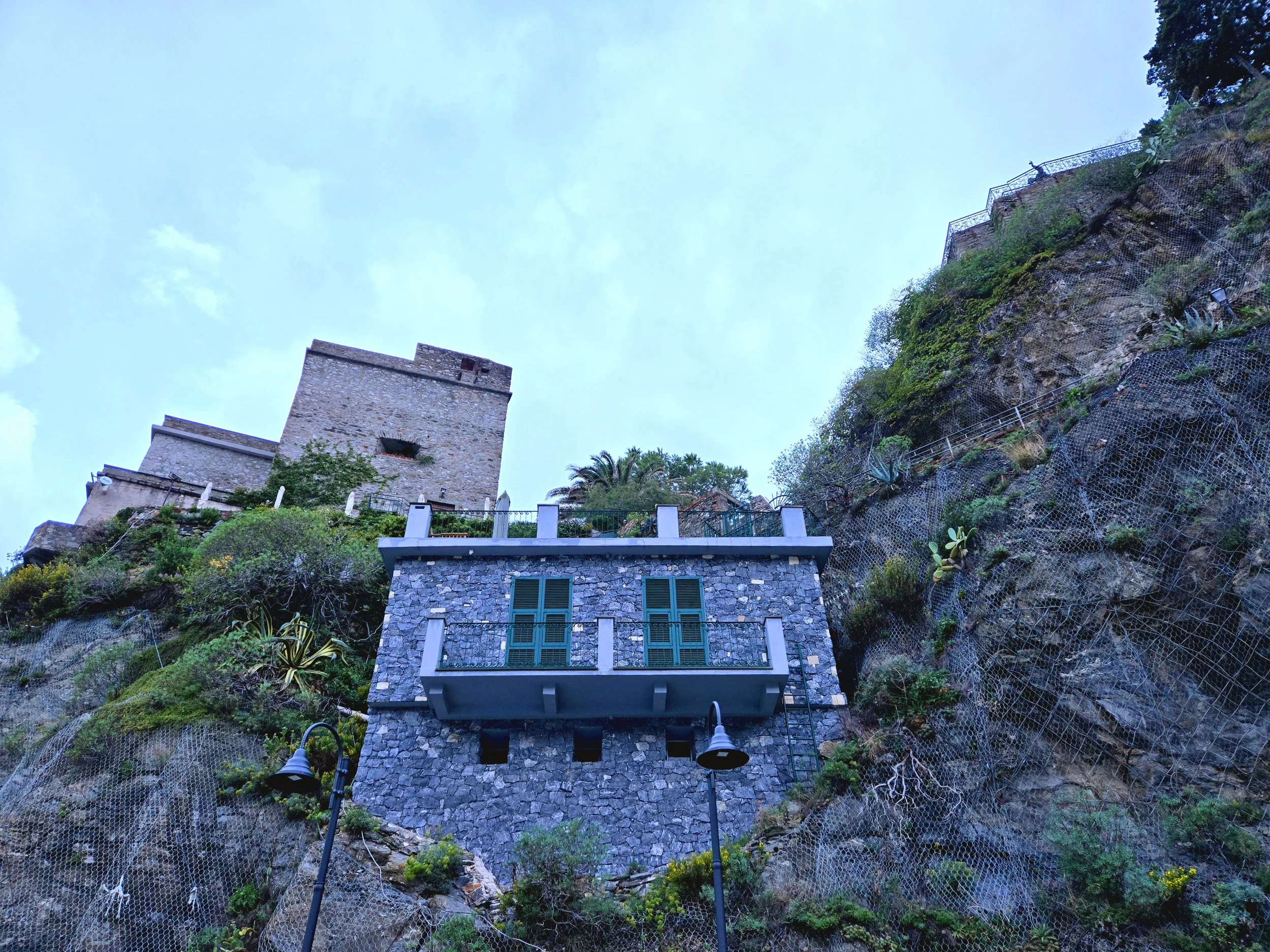
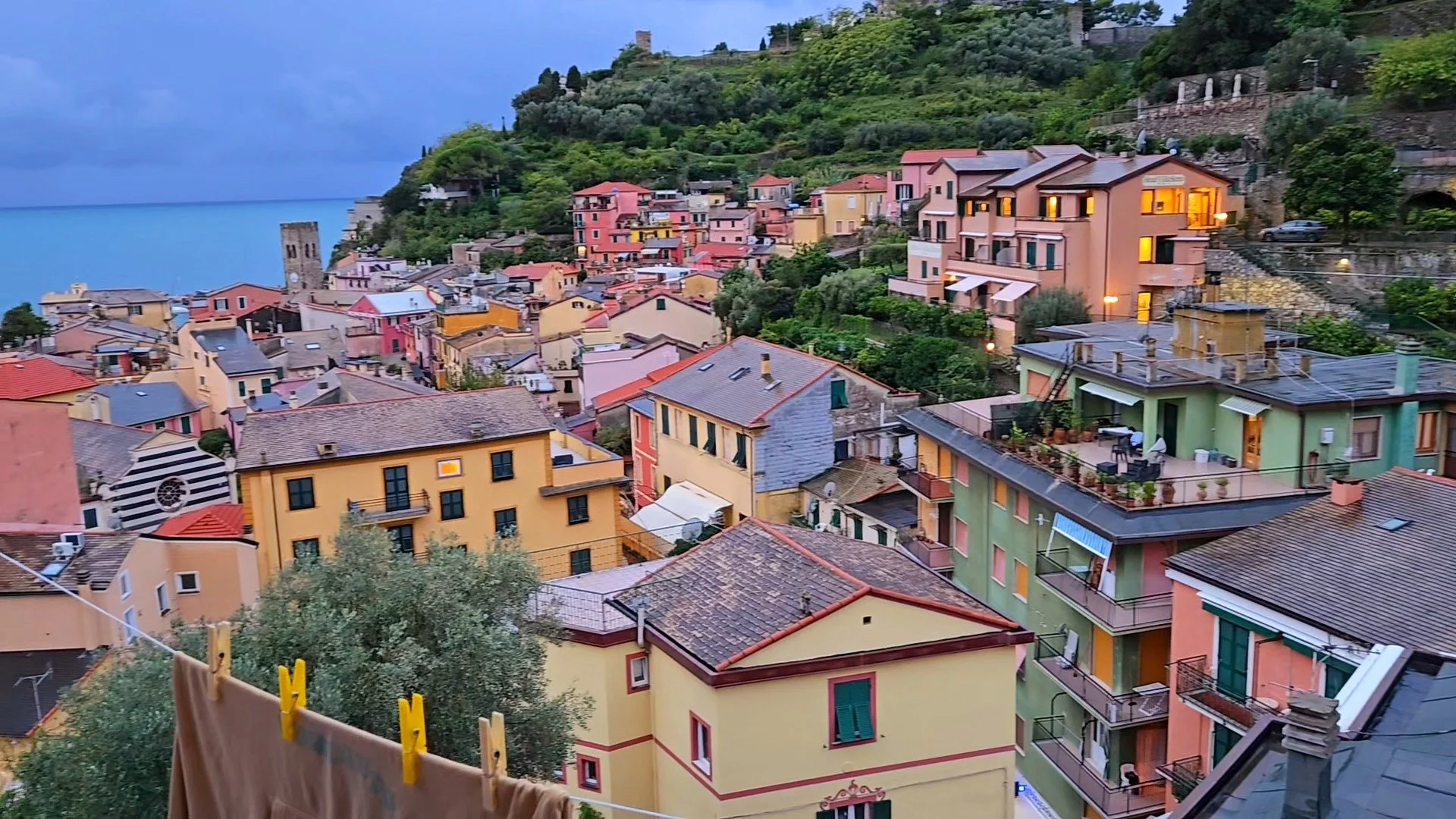
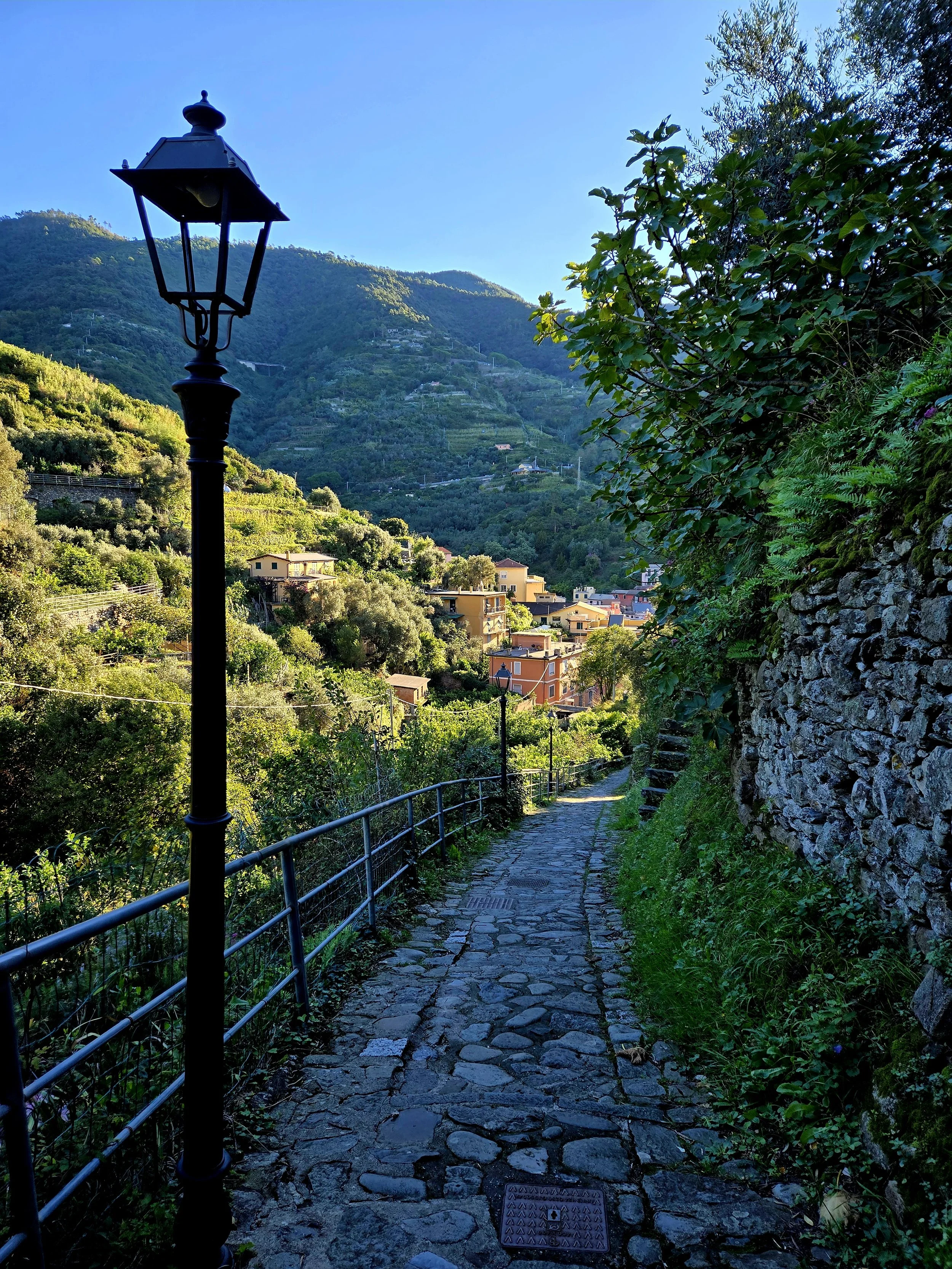
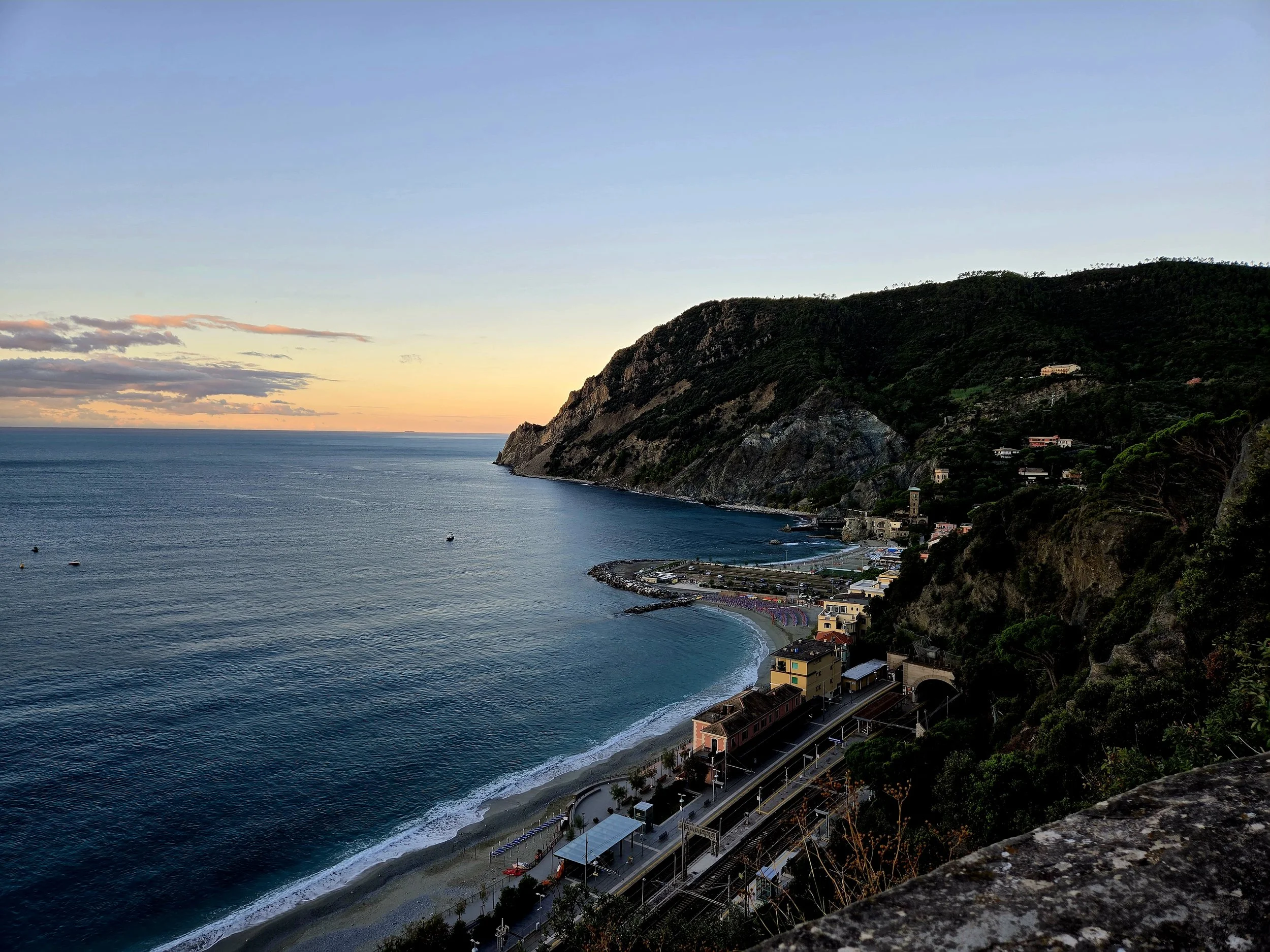
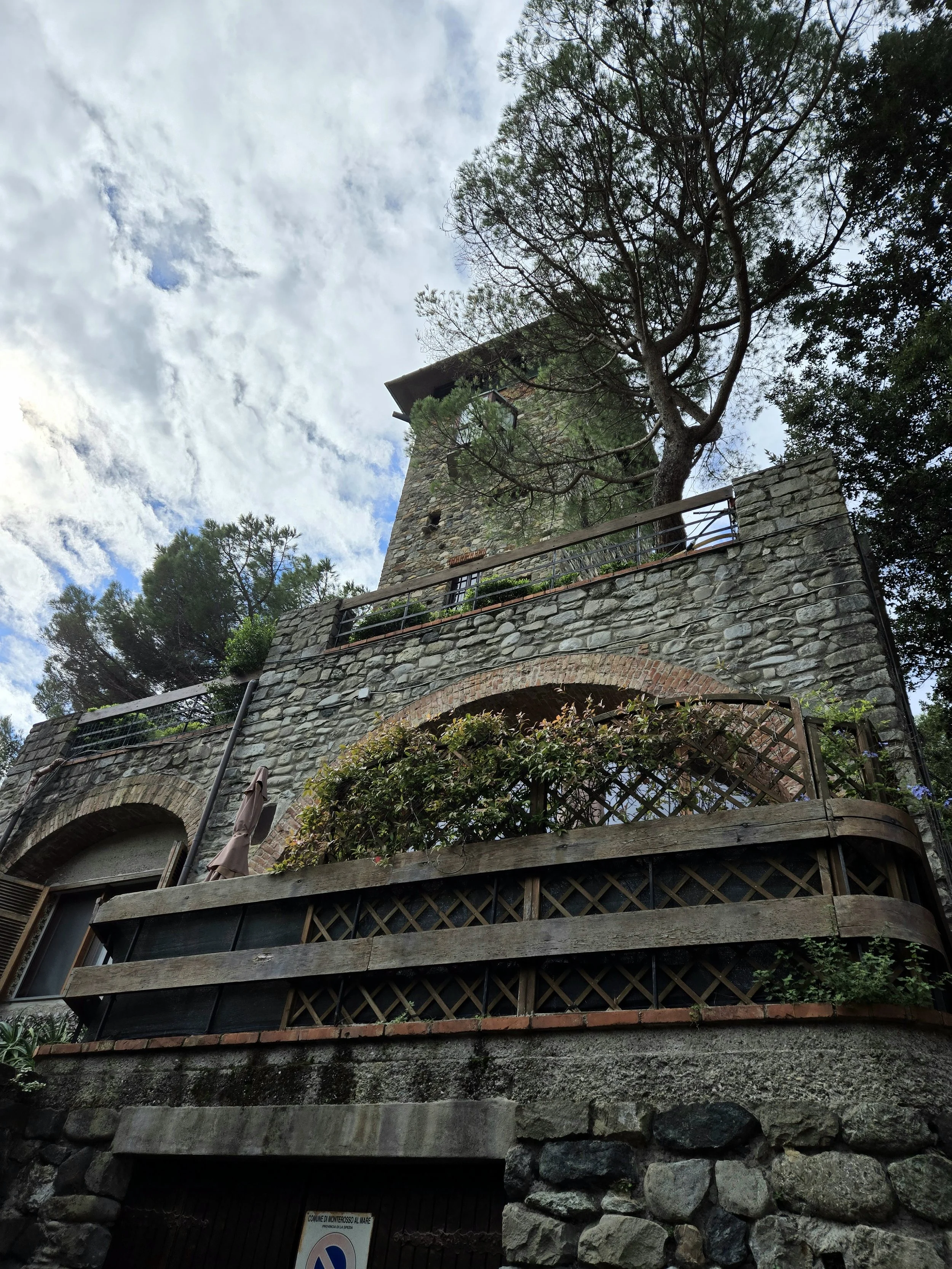
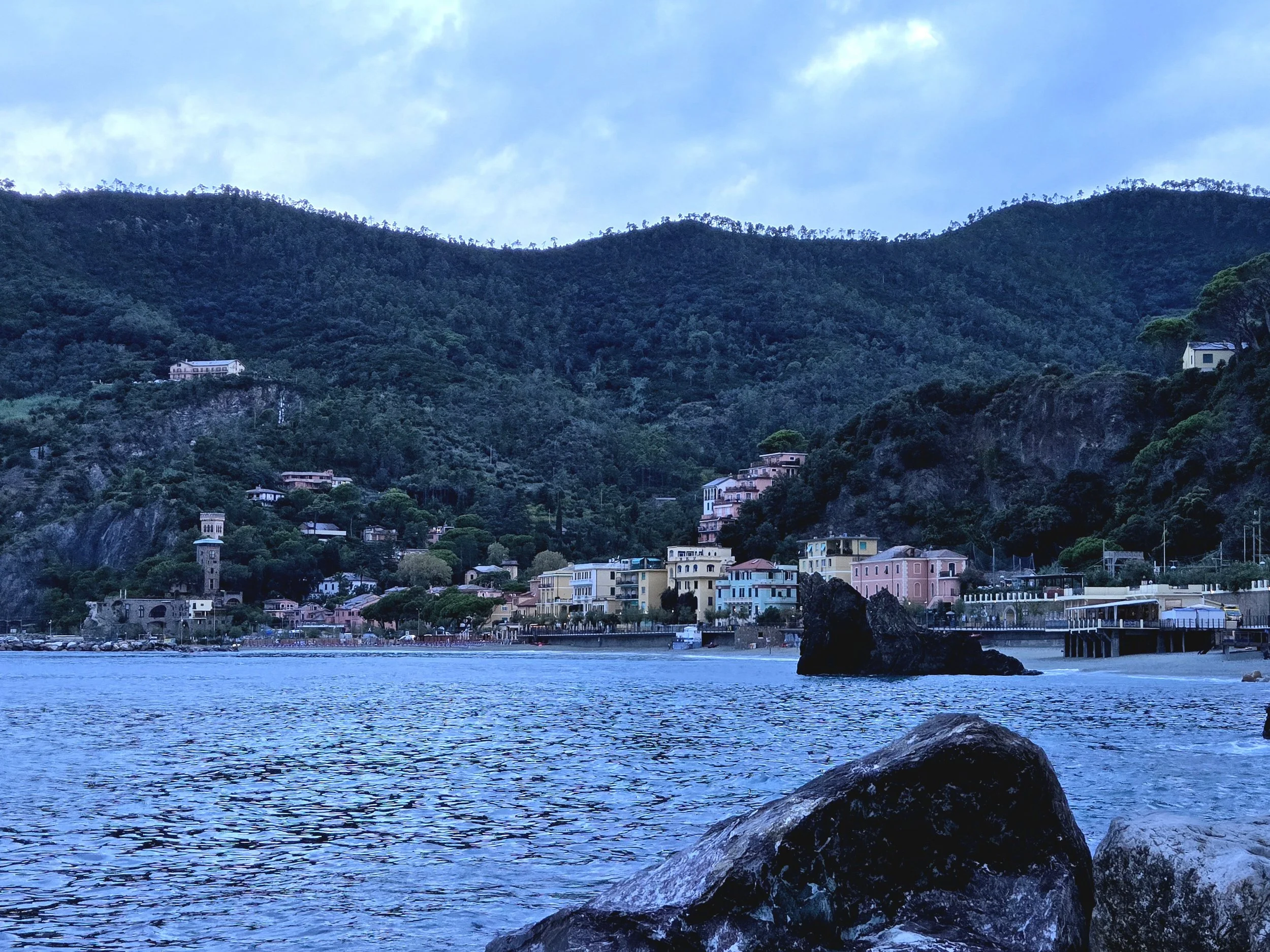
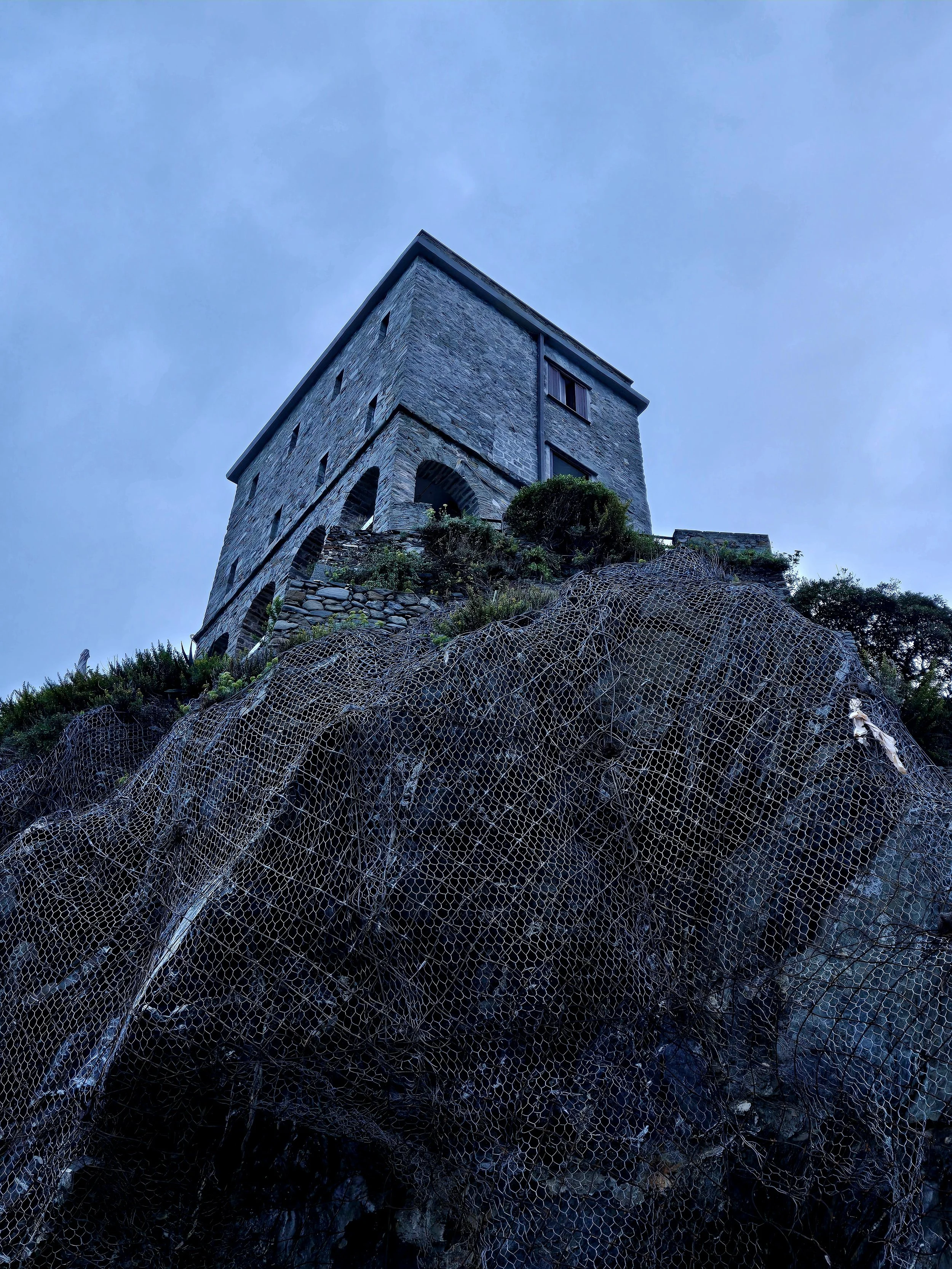
Located in the Cinque Terre region
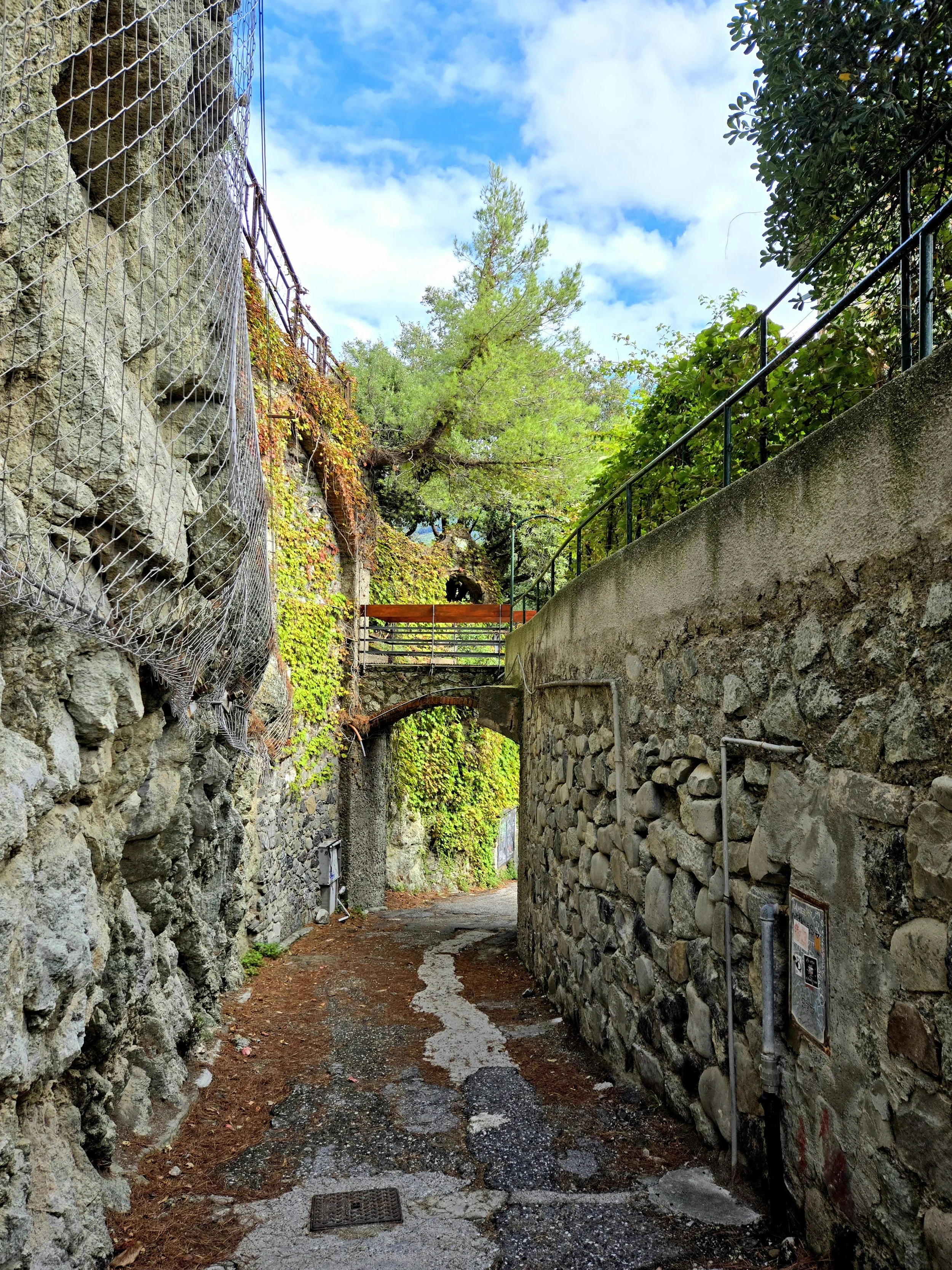
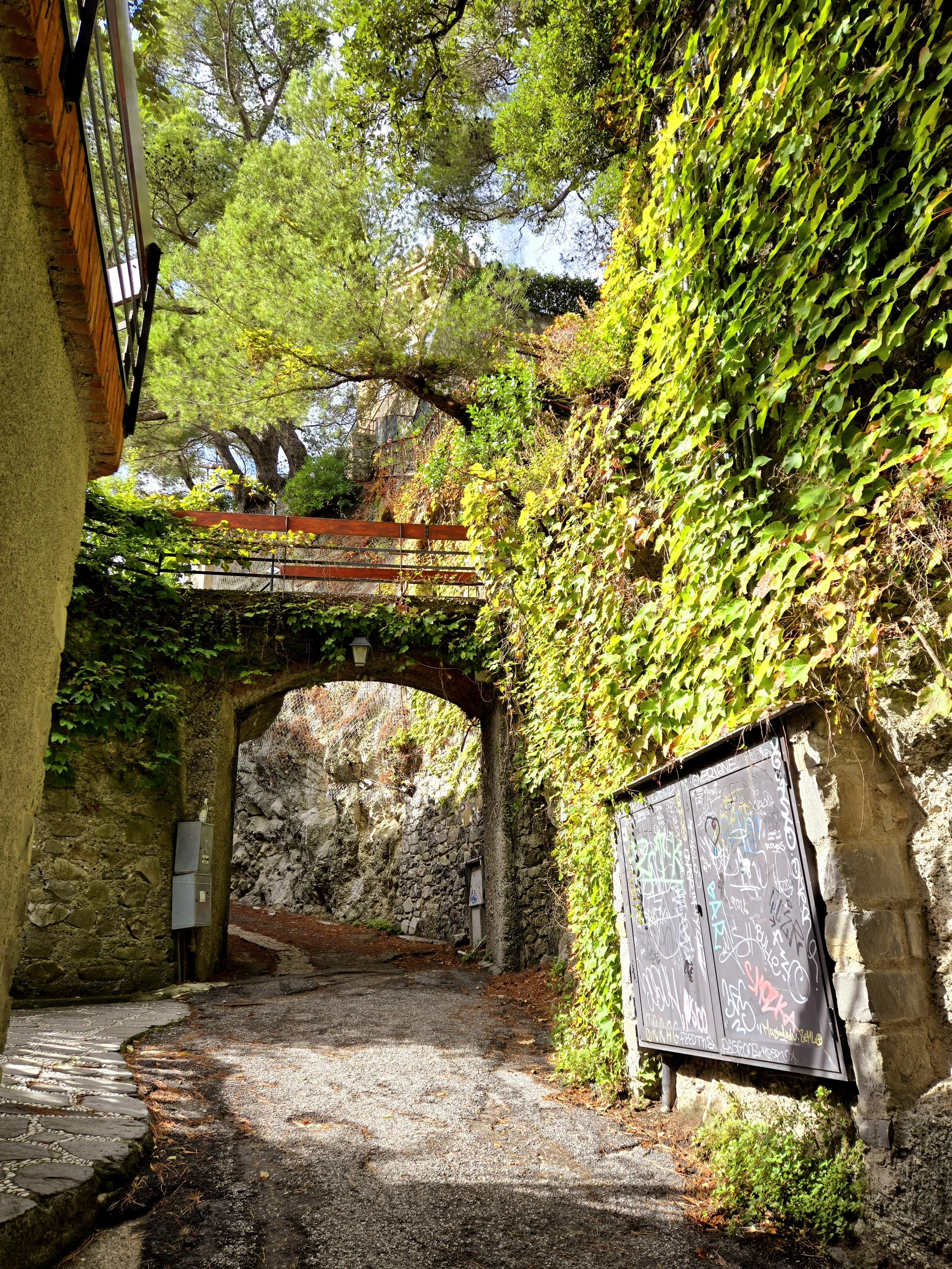
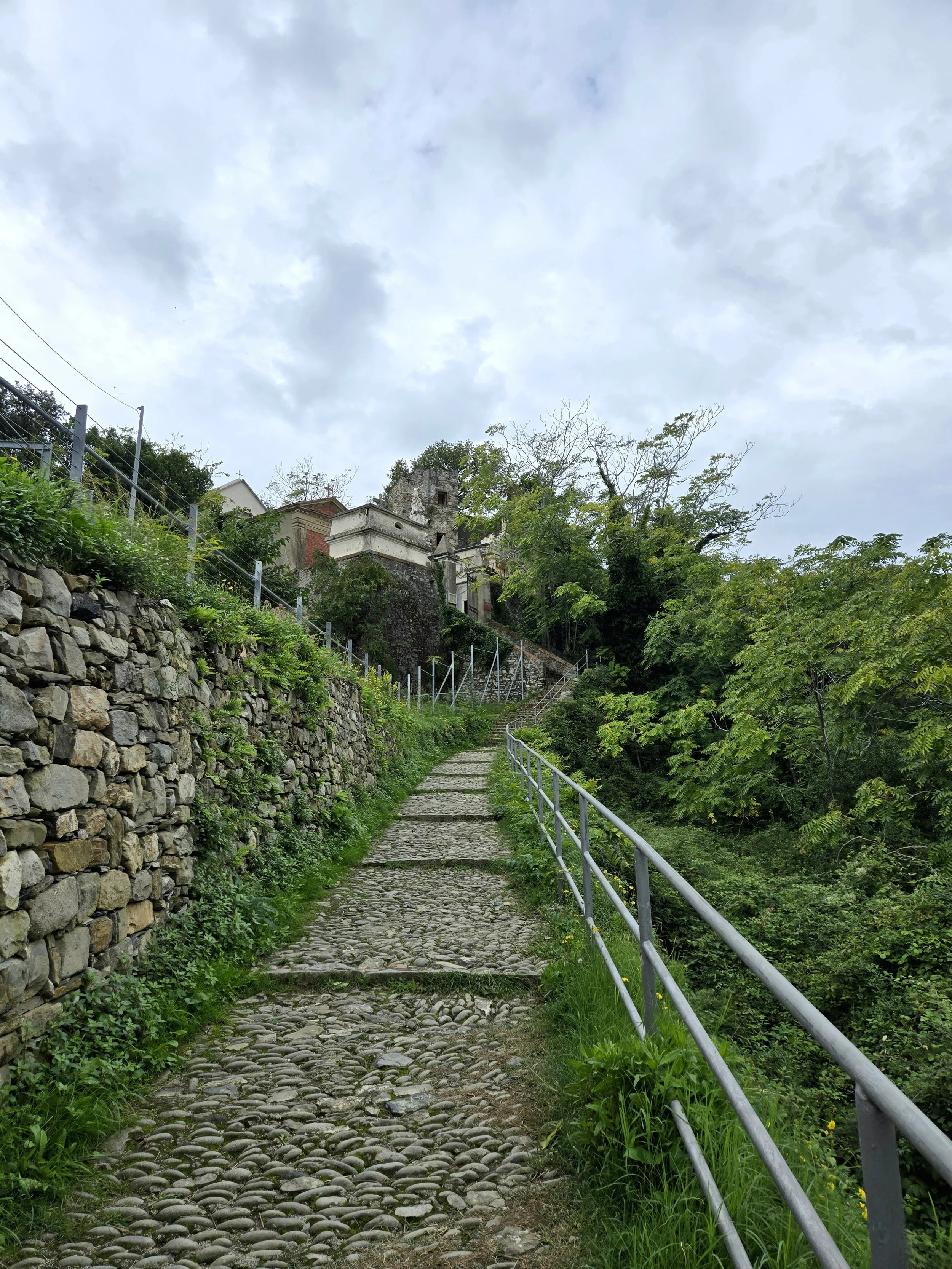
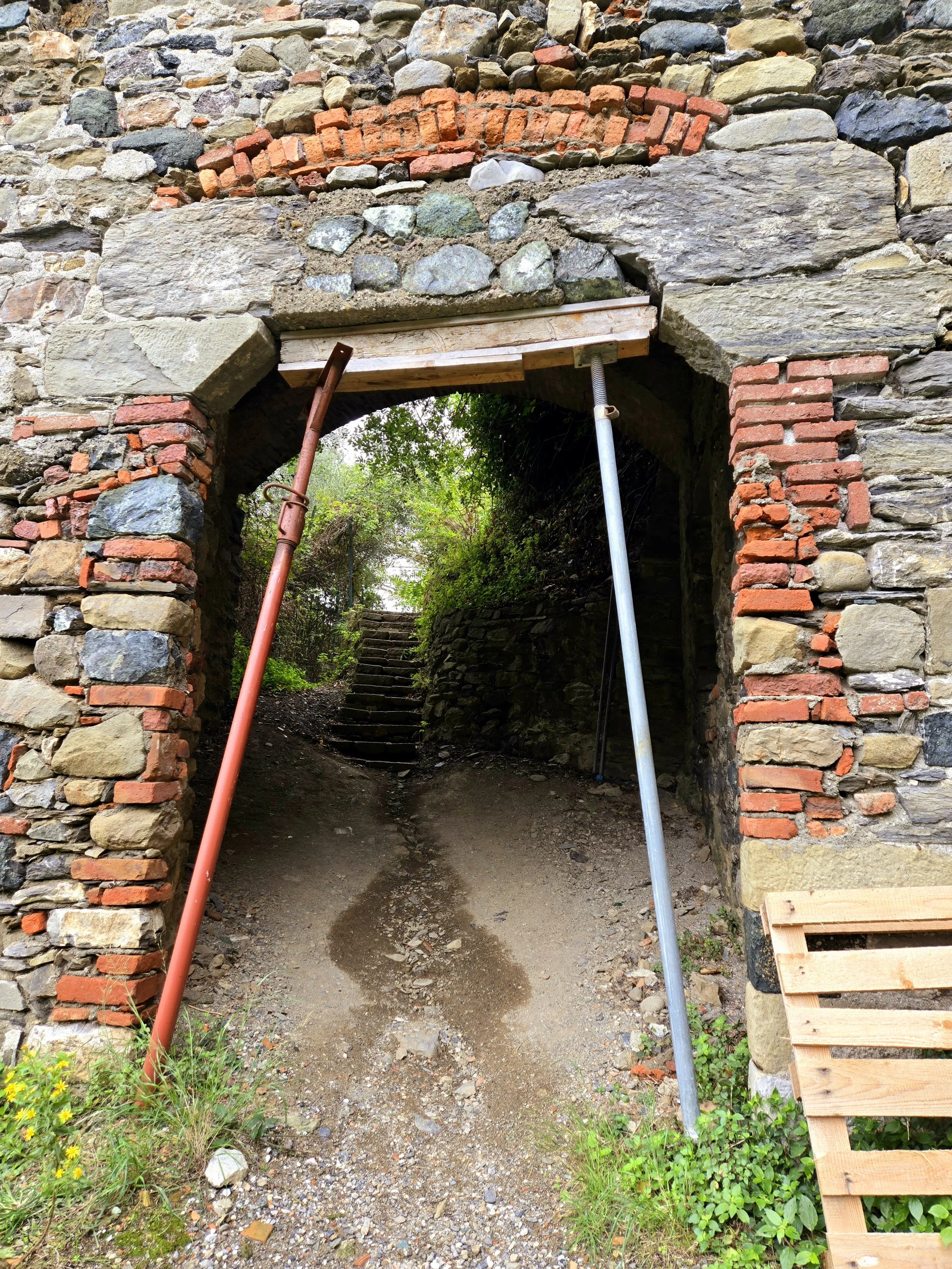
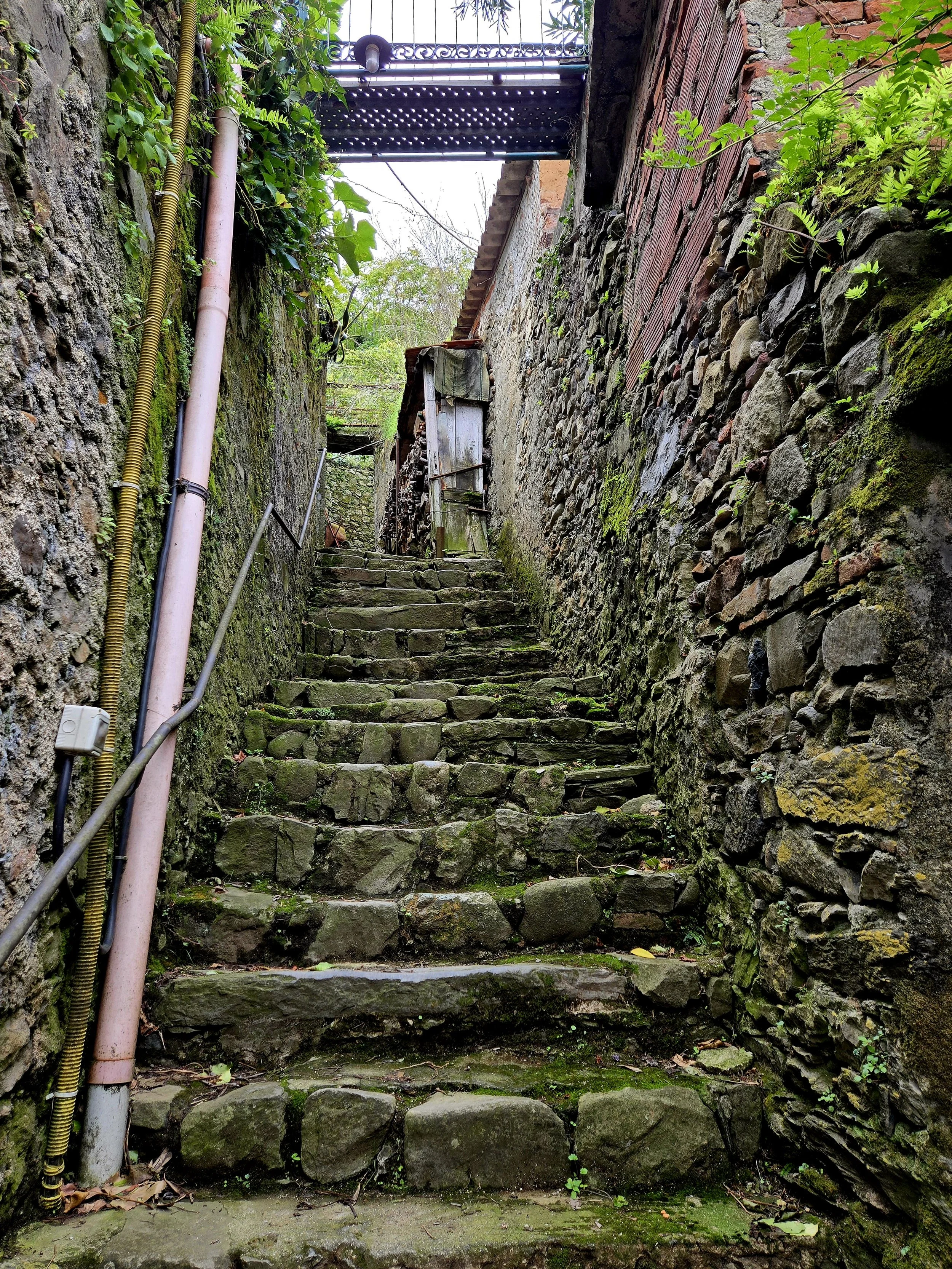
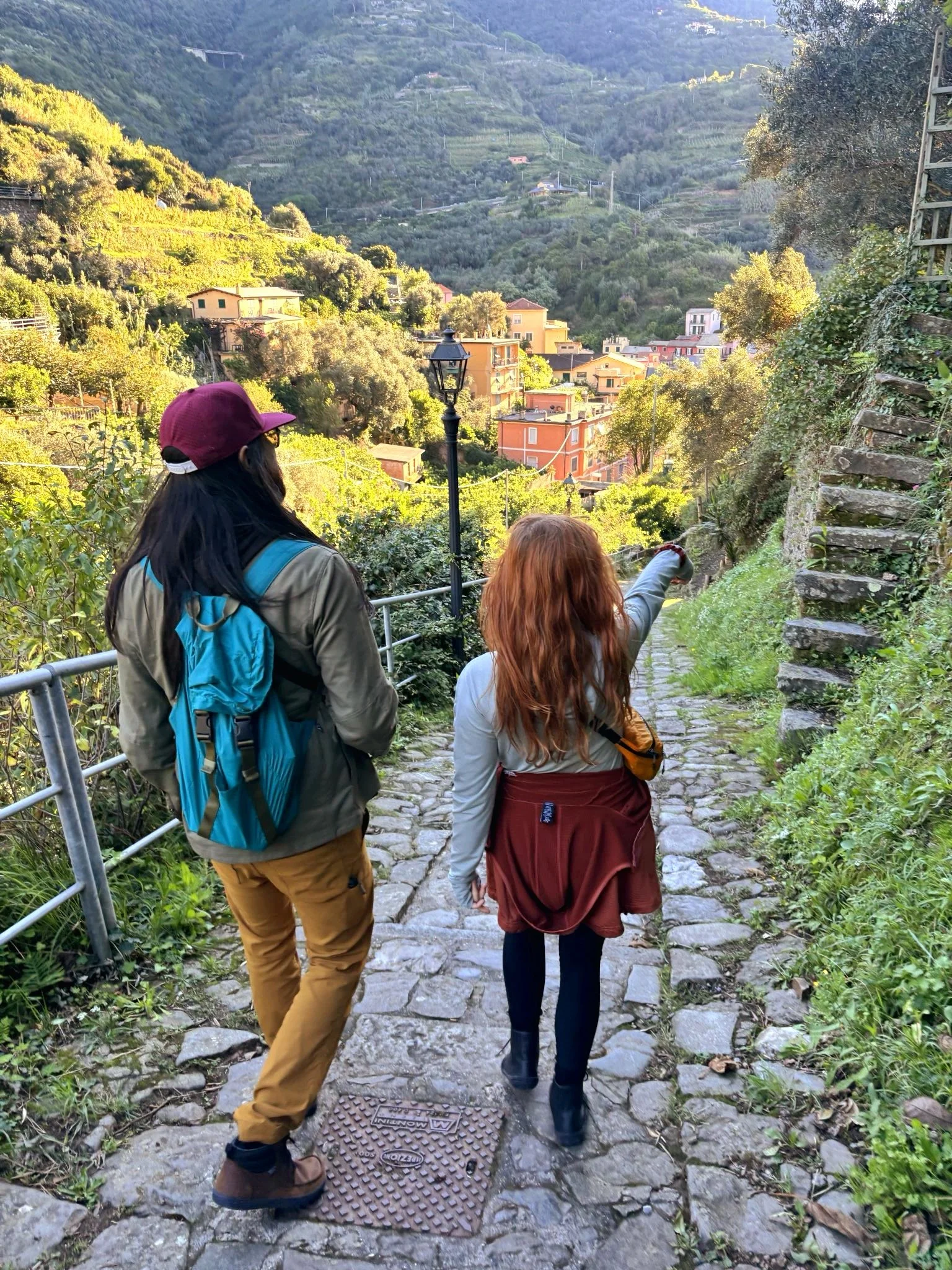
Ancient roads built by the Romans are present, as Romans established early settlements in Manarola and Monterosso
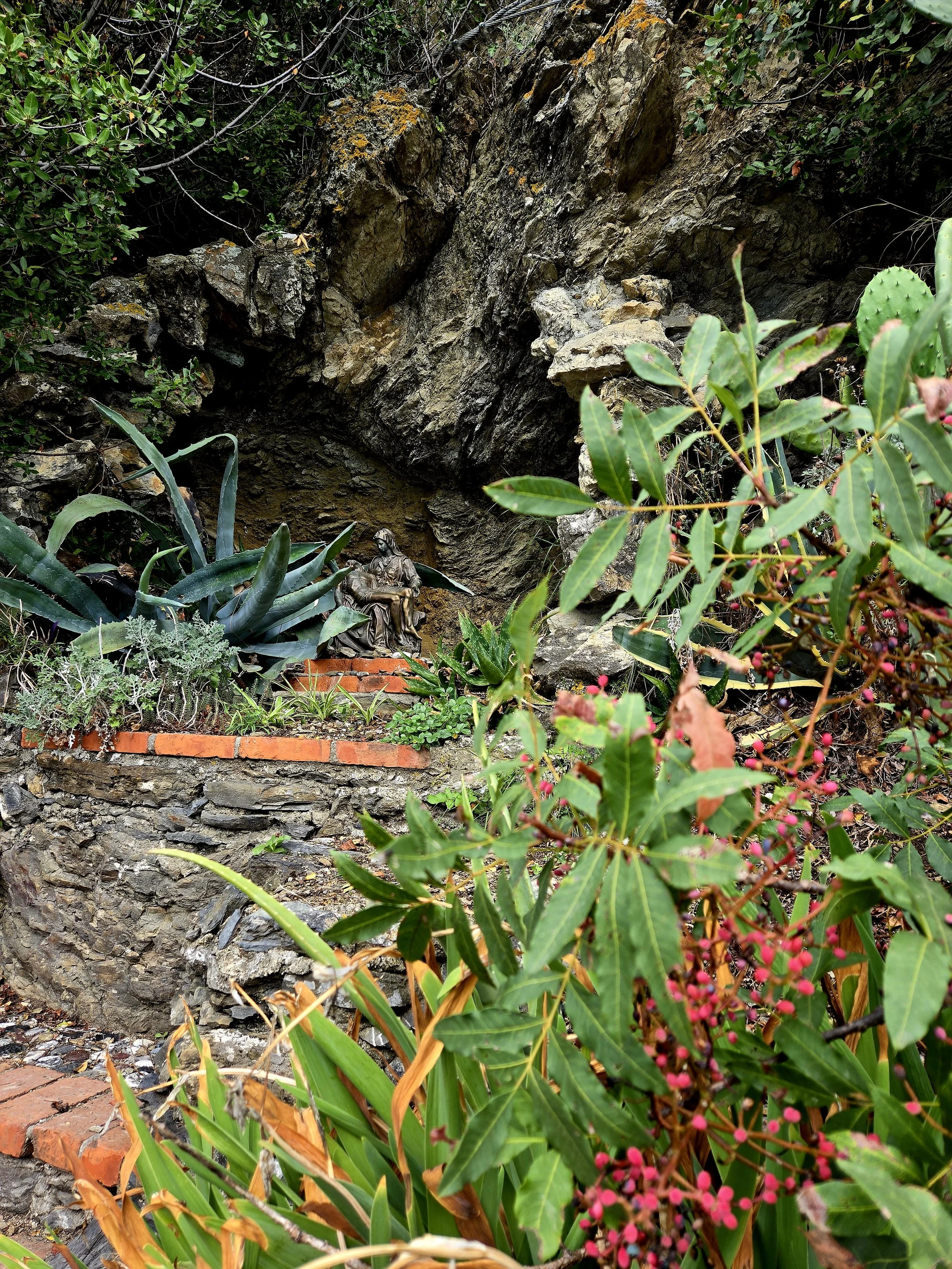
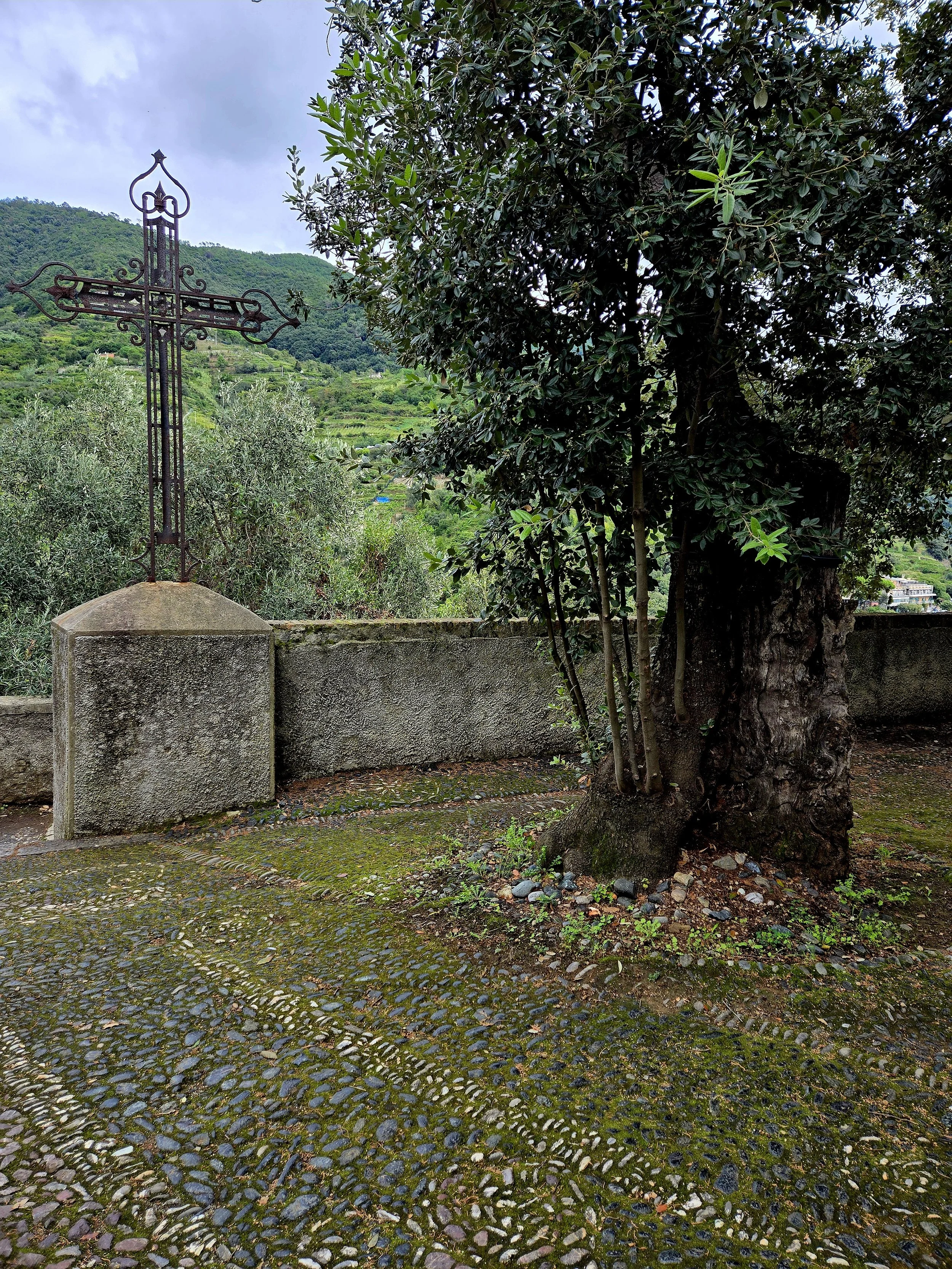
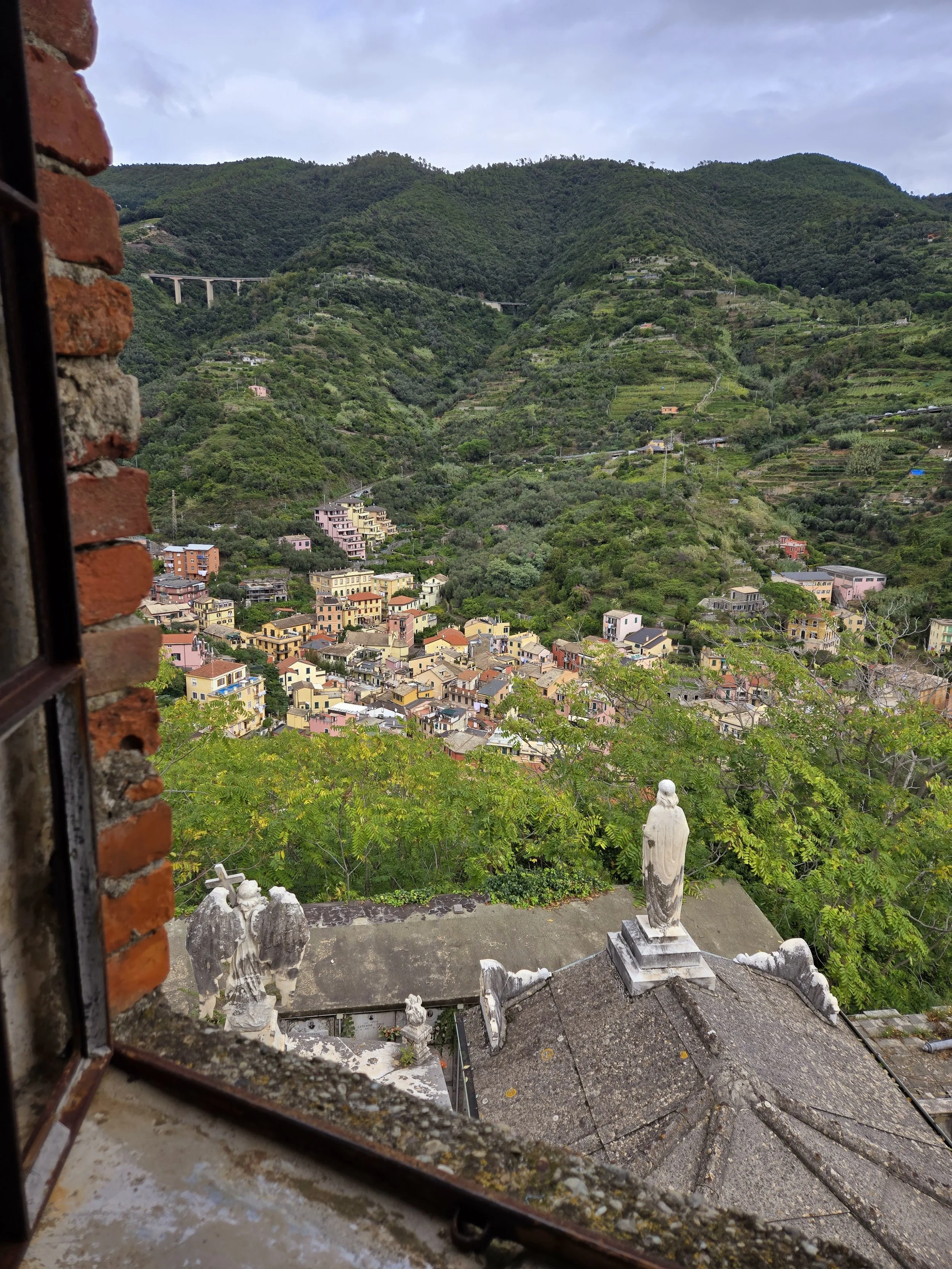
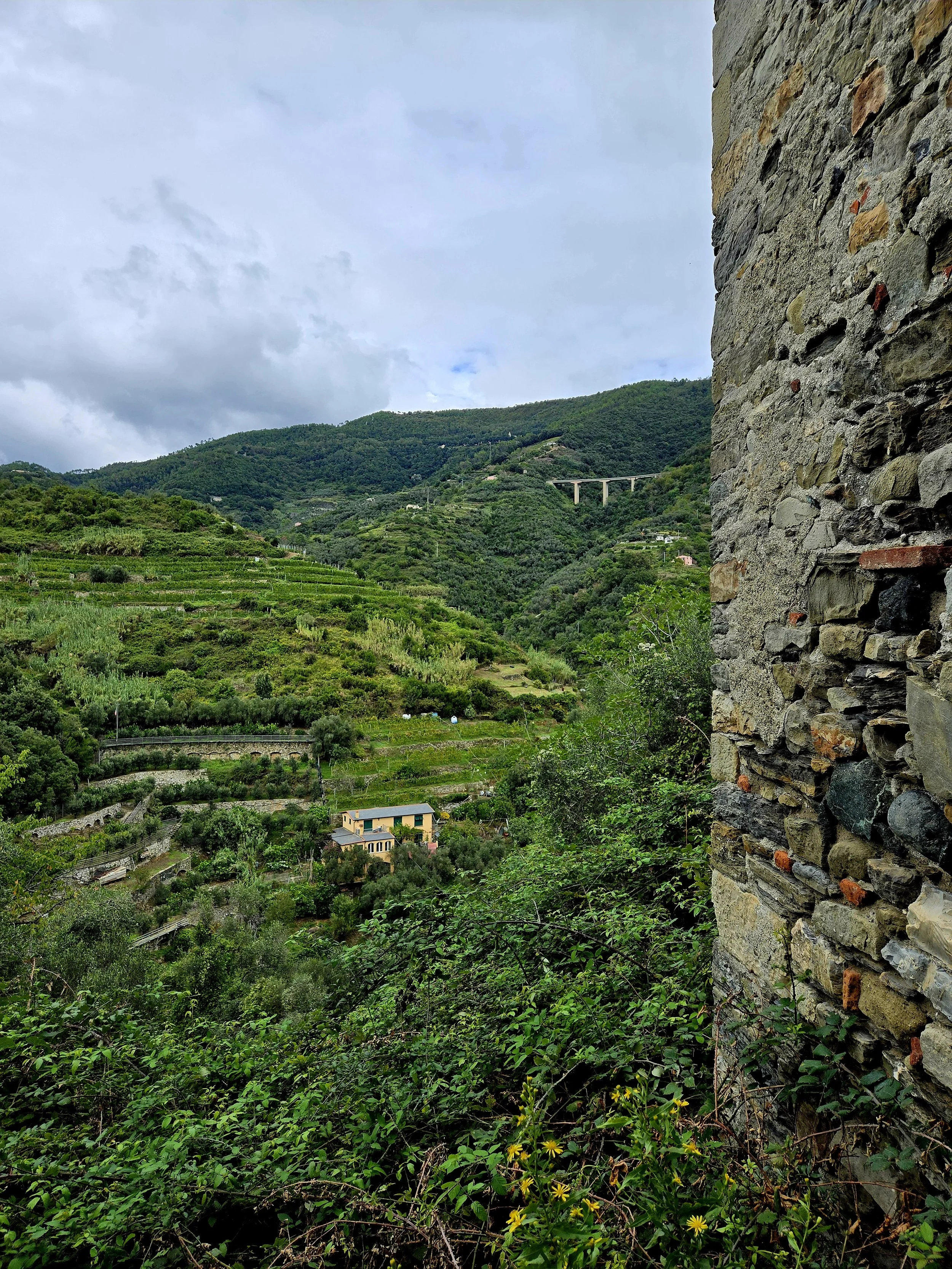
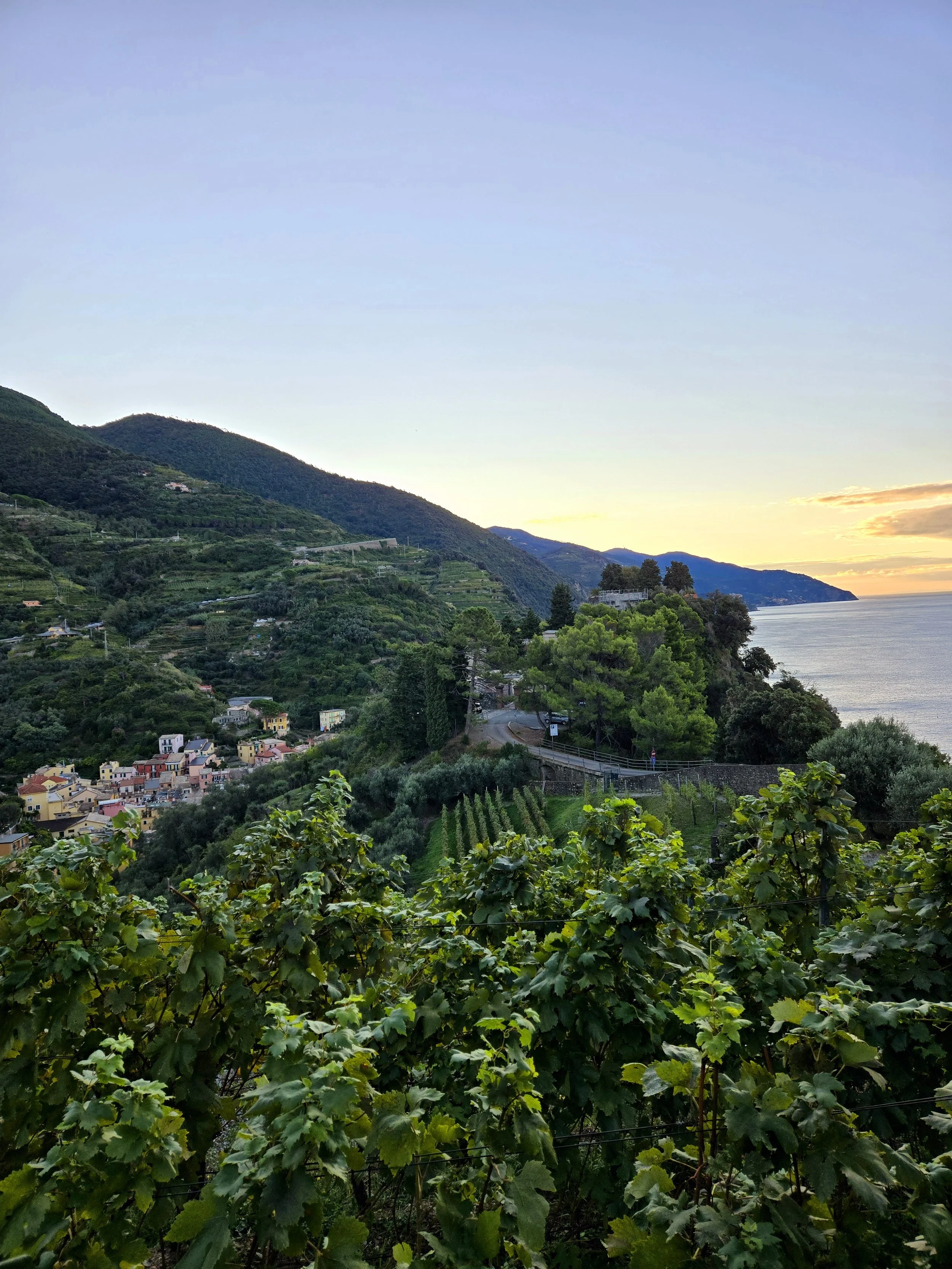
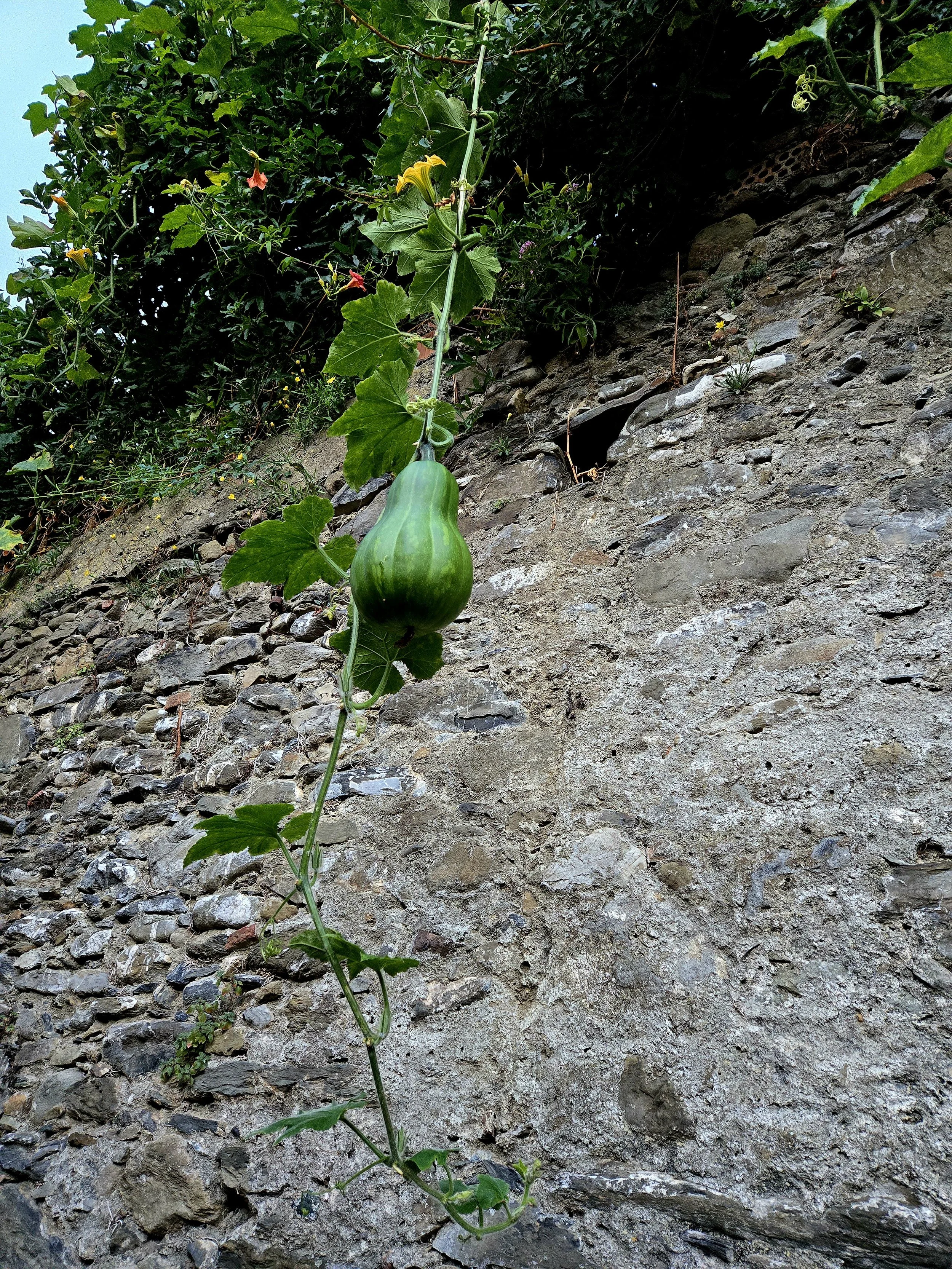
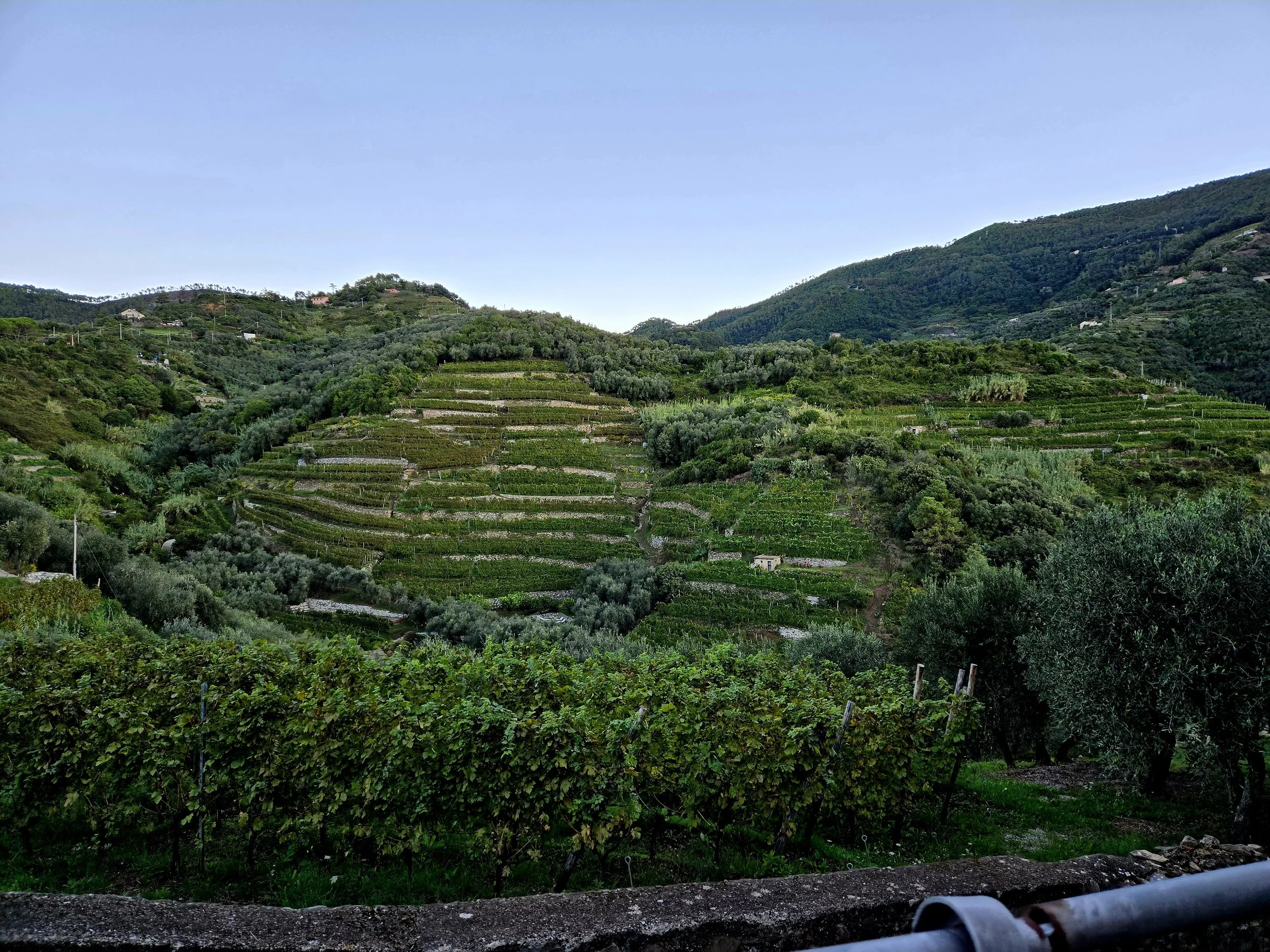
Cultivated with wine grape vineyards as well as lemon, olive, fig, and apricot groves
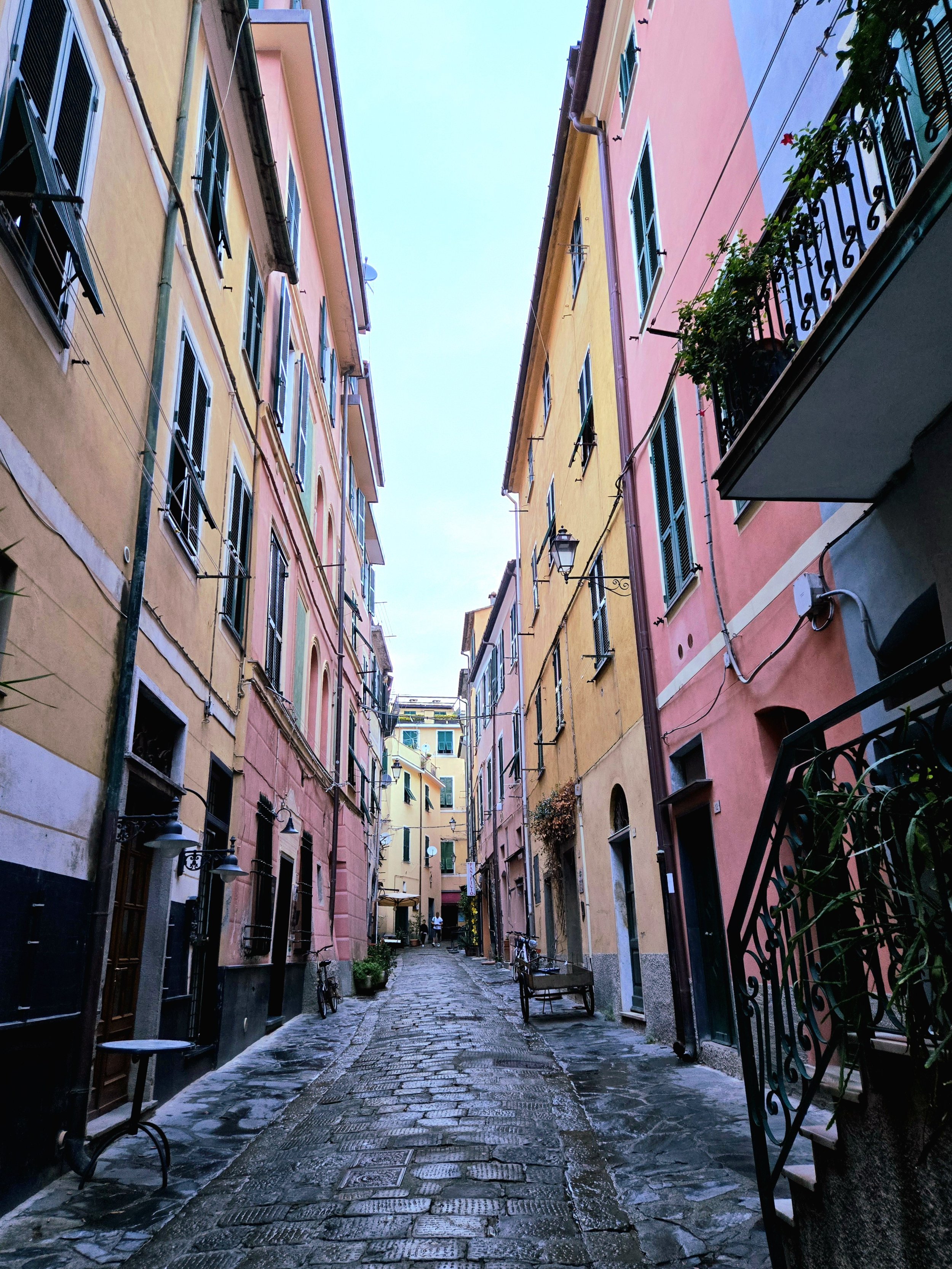
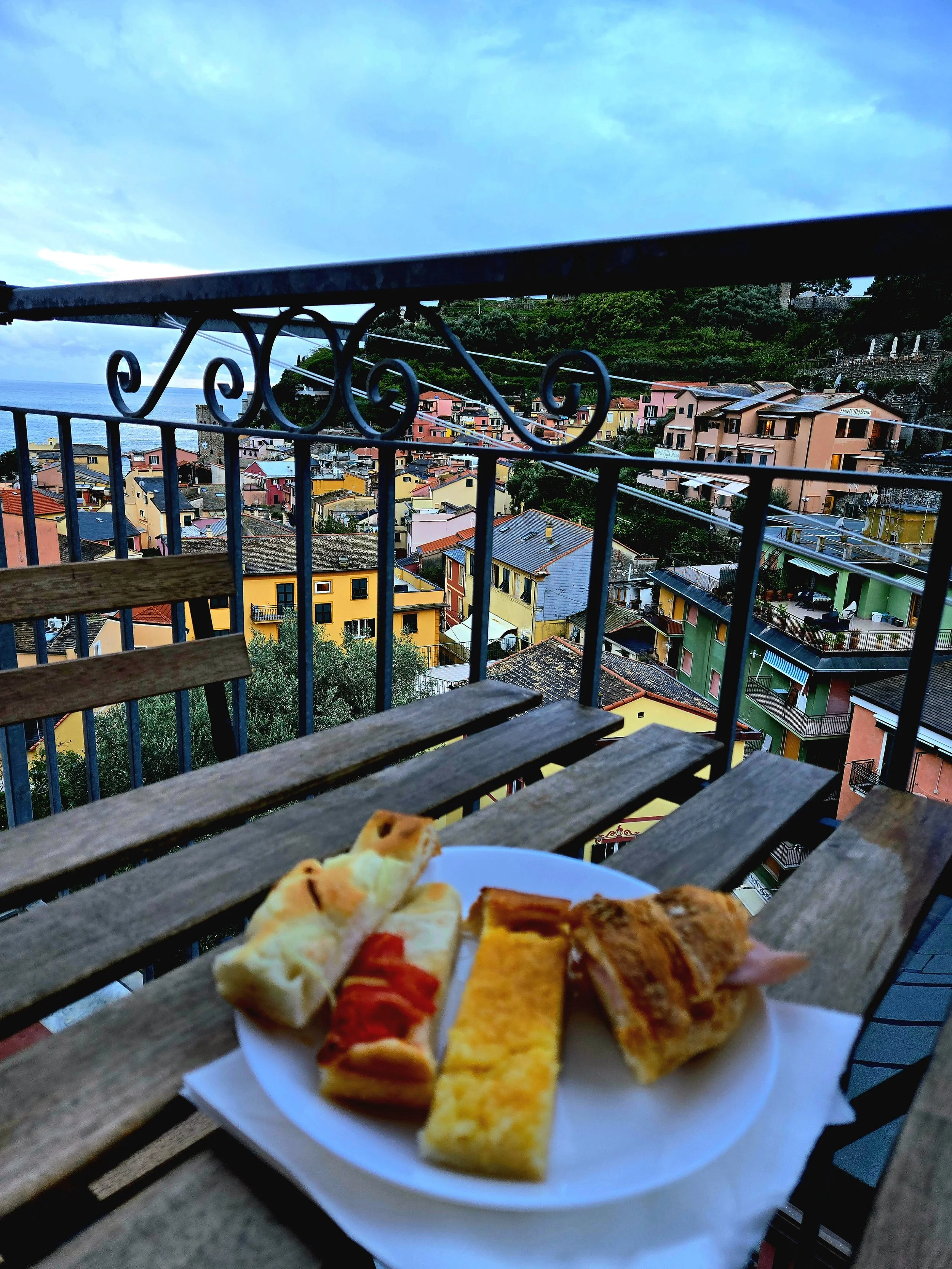
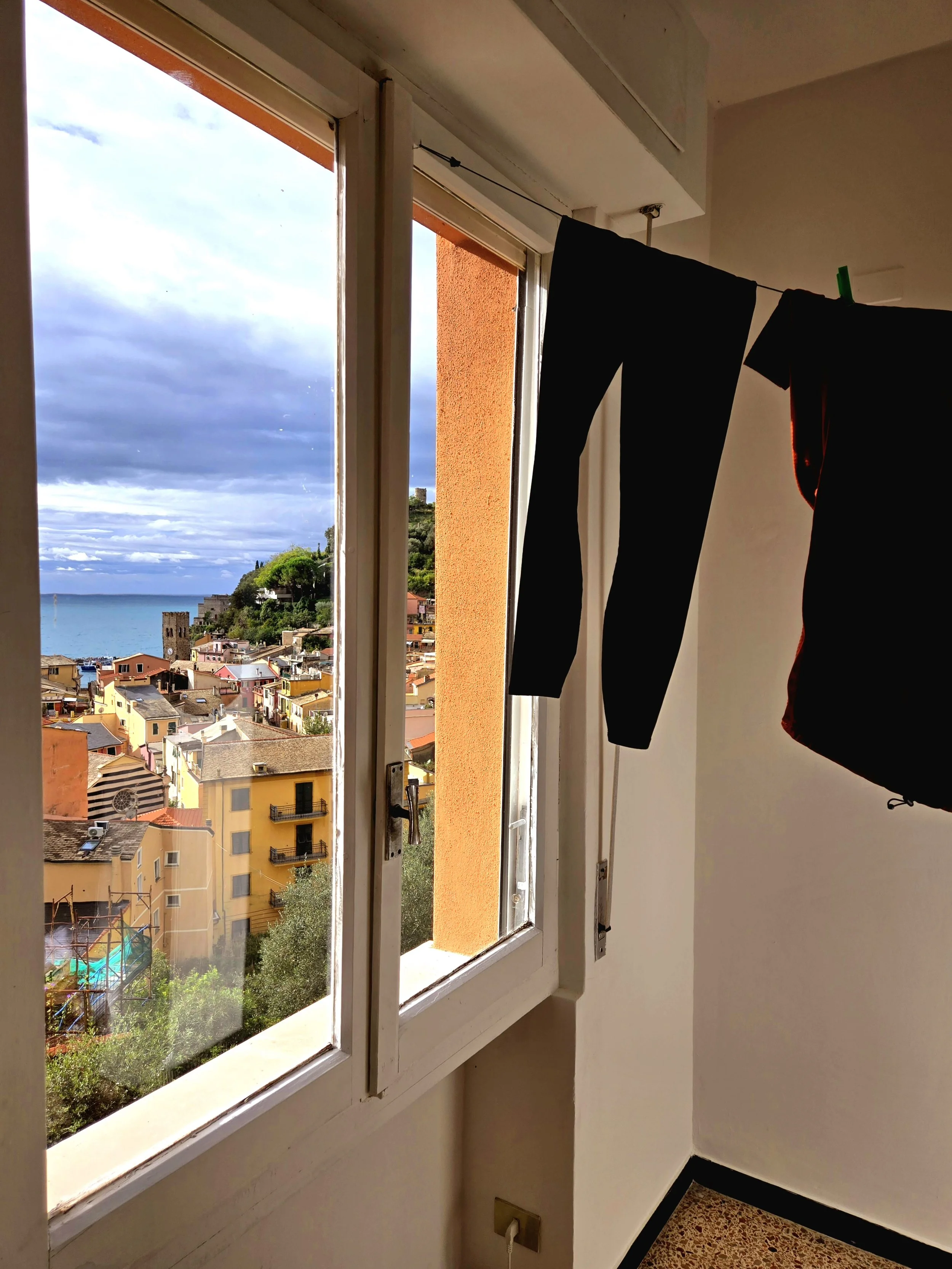
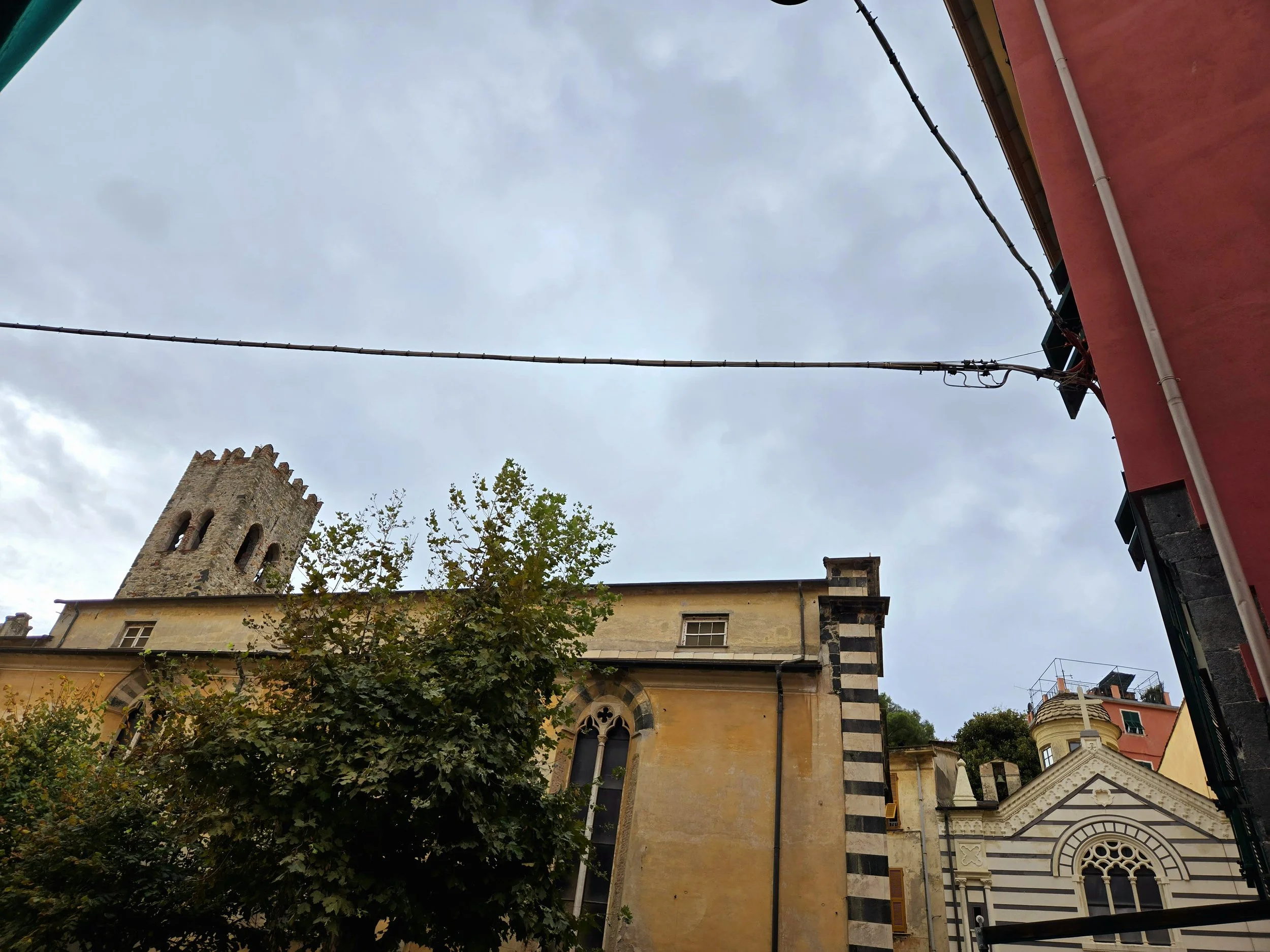
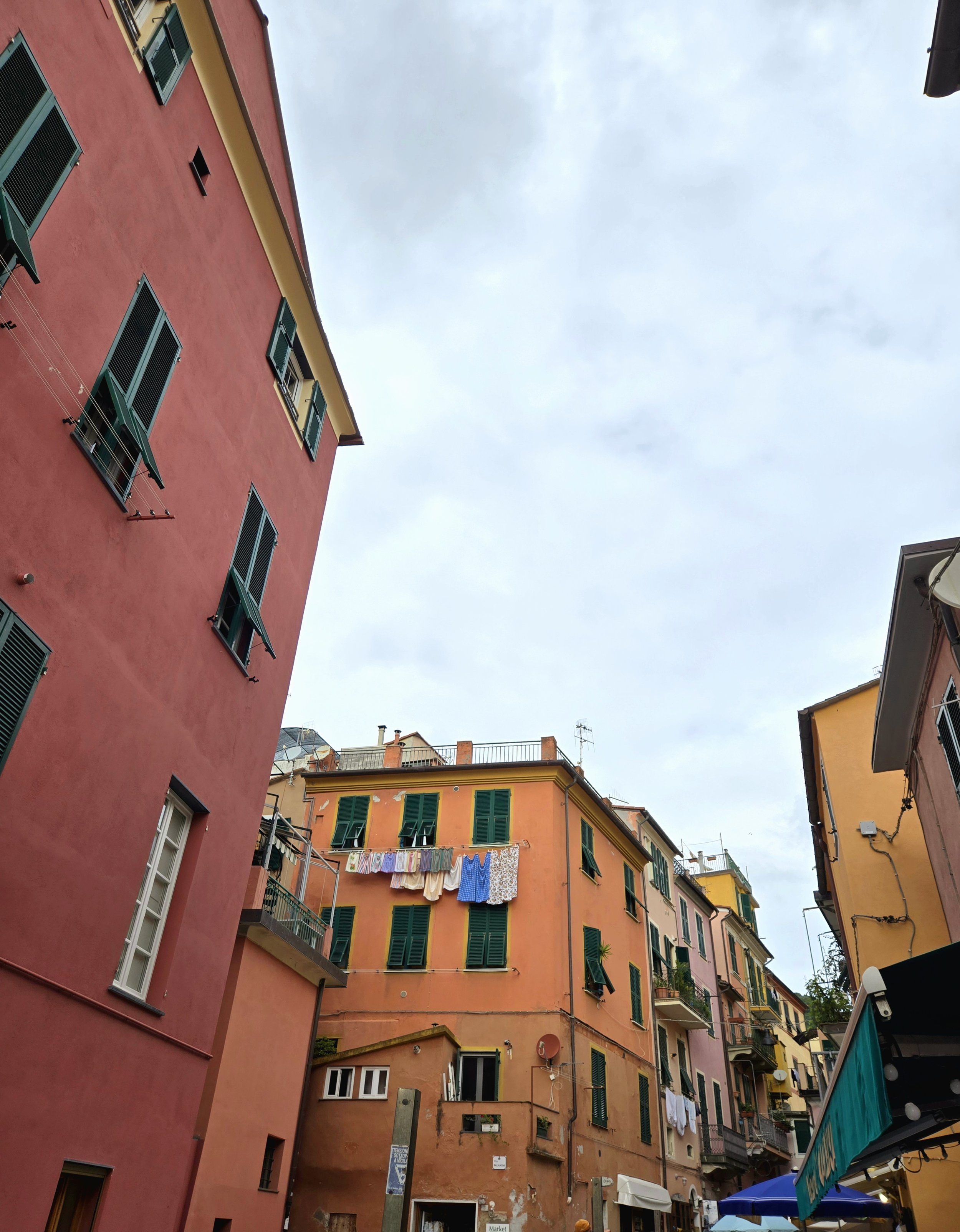
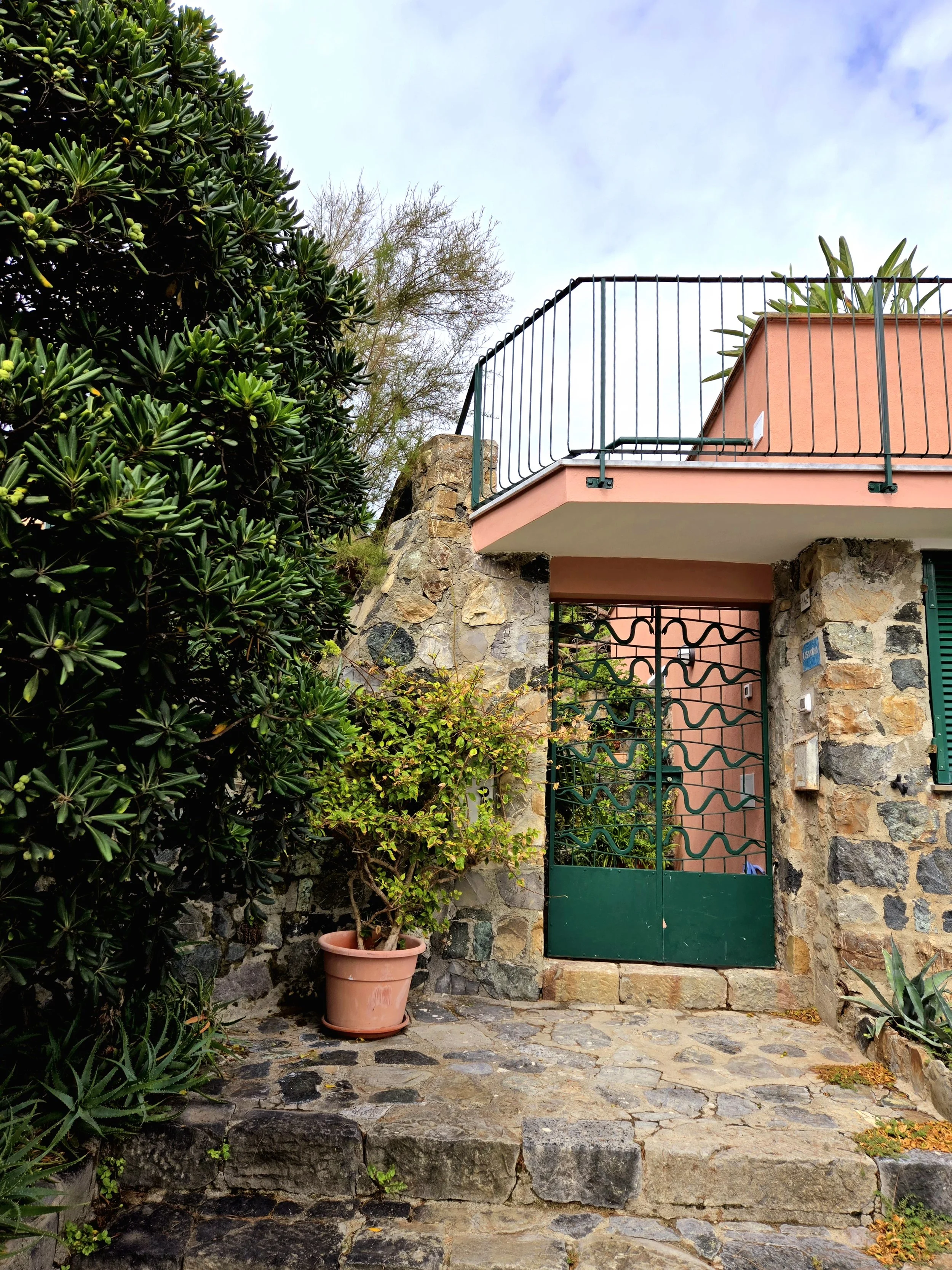
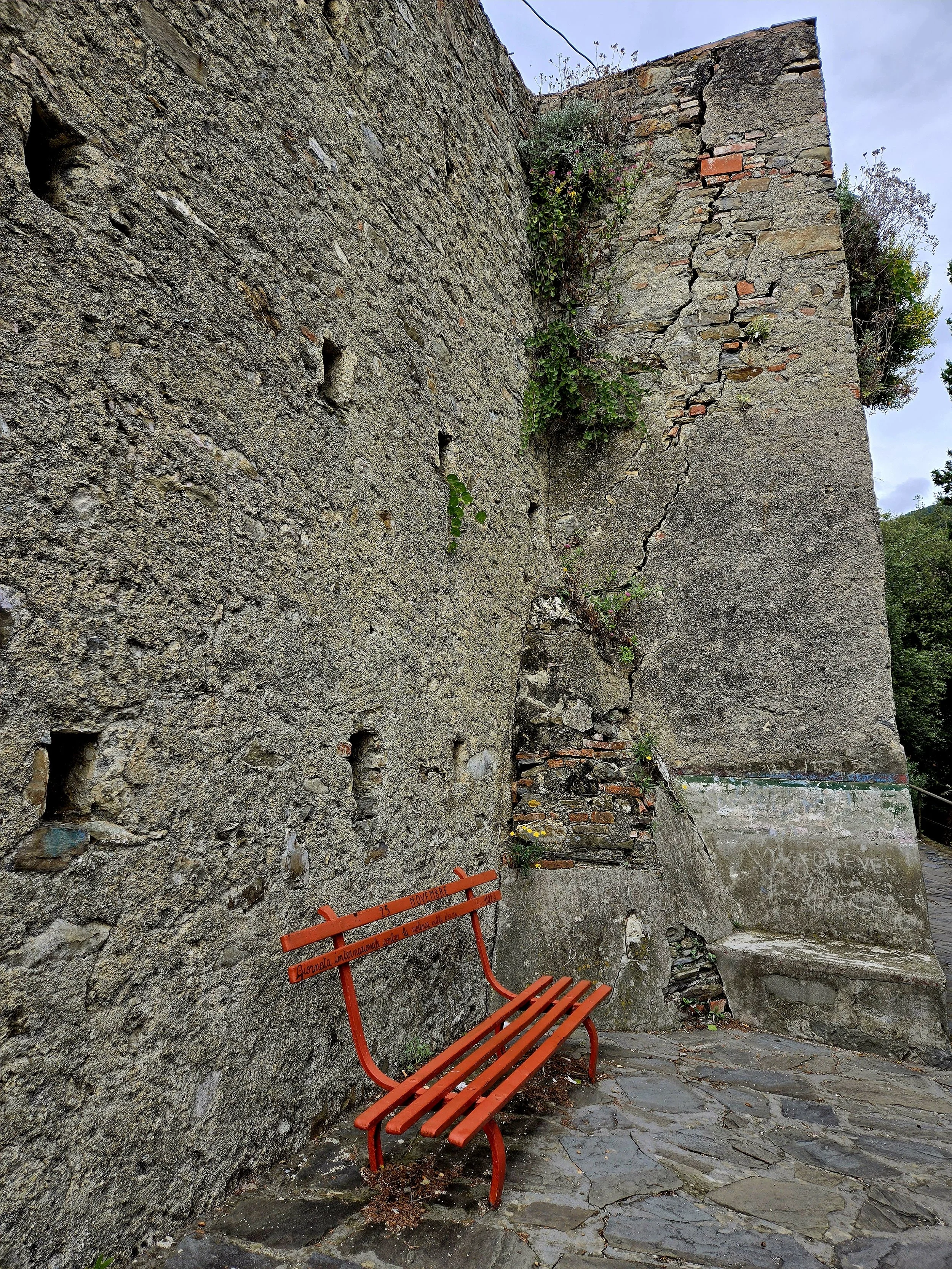
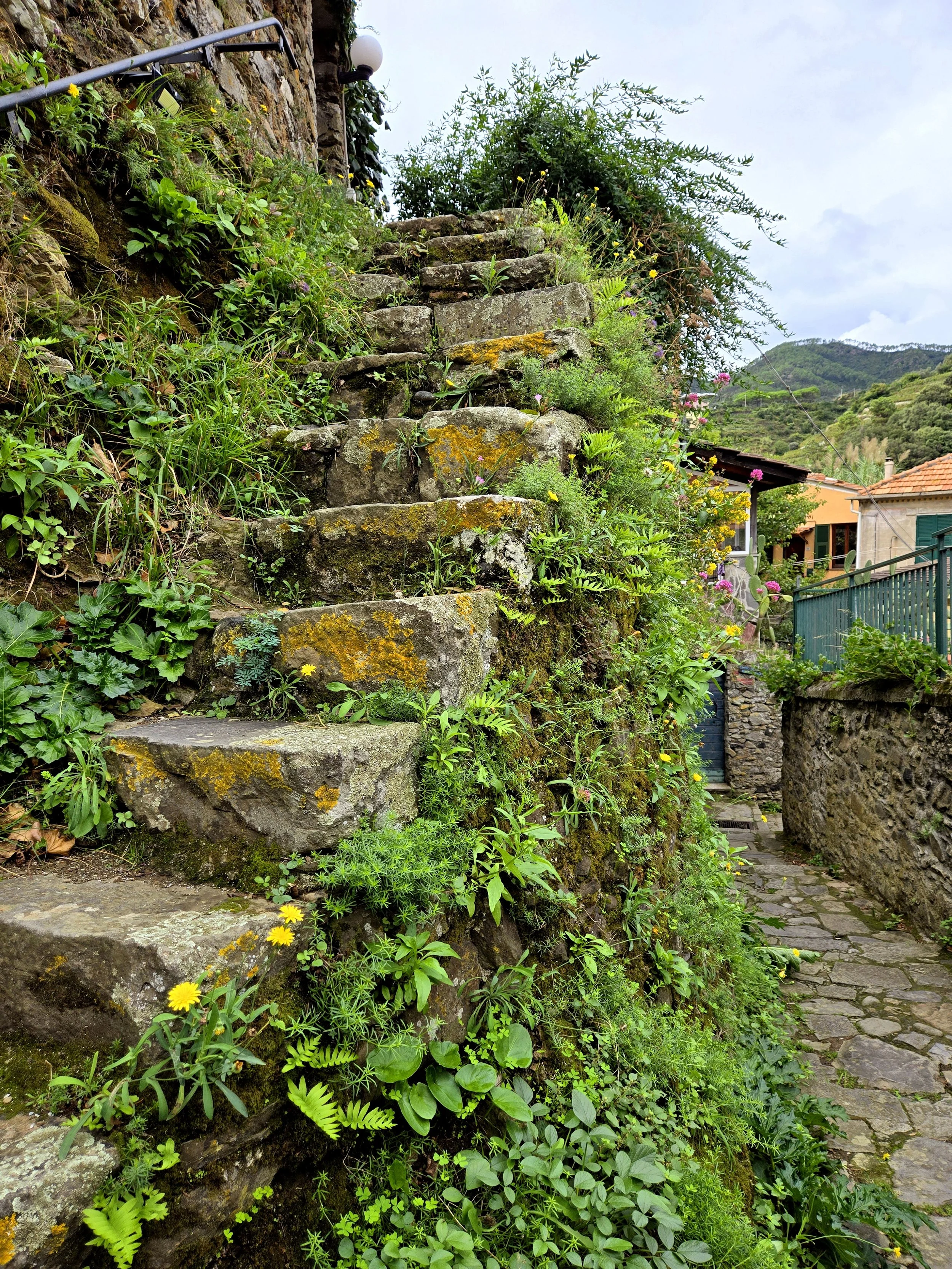
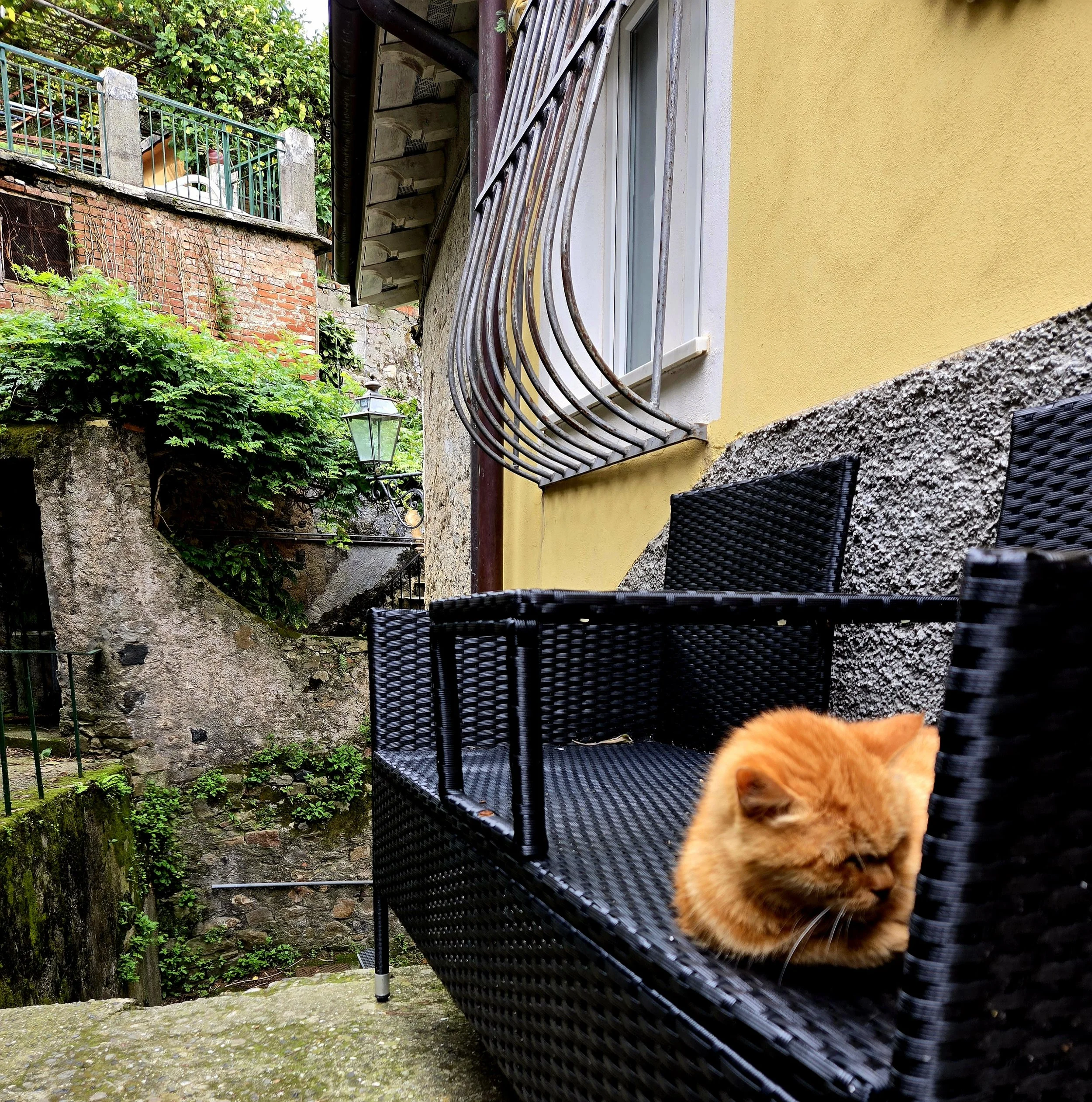
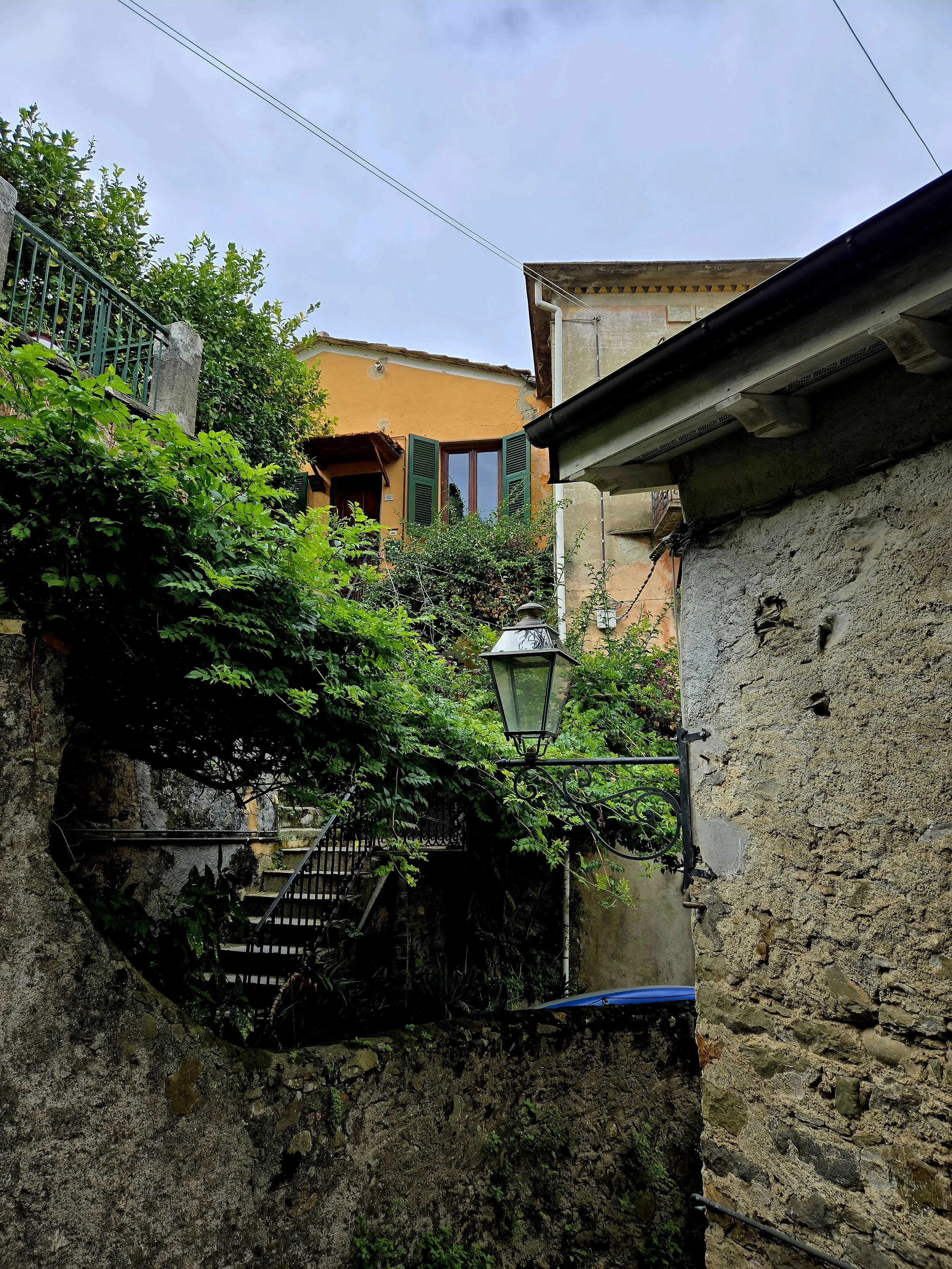
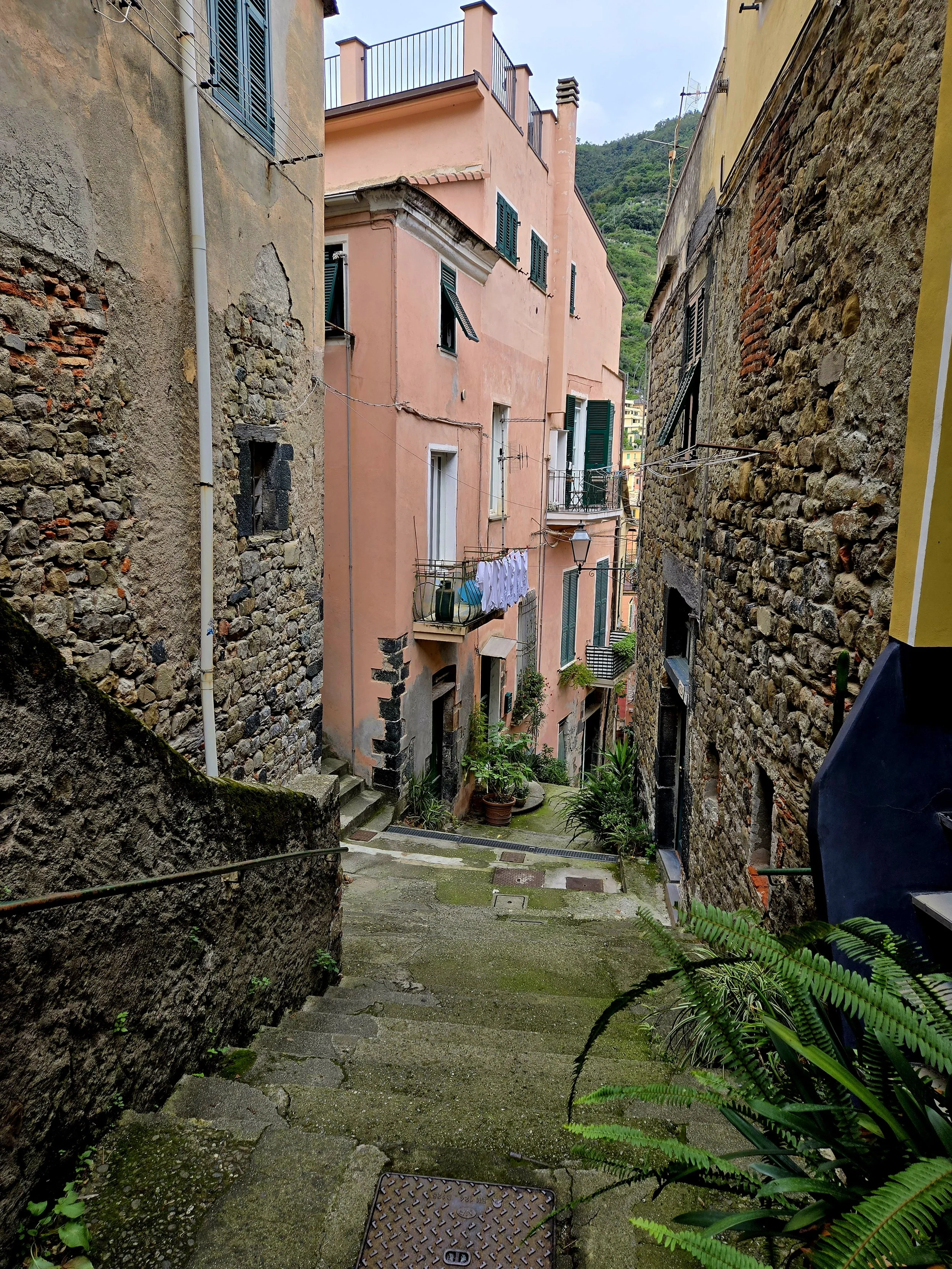
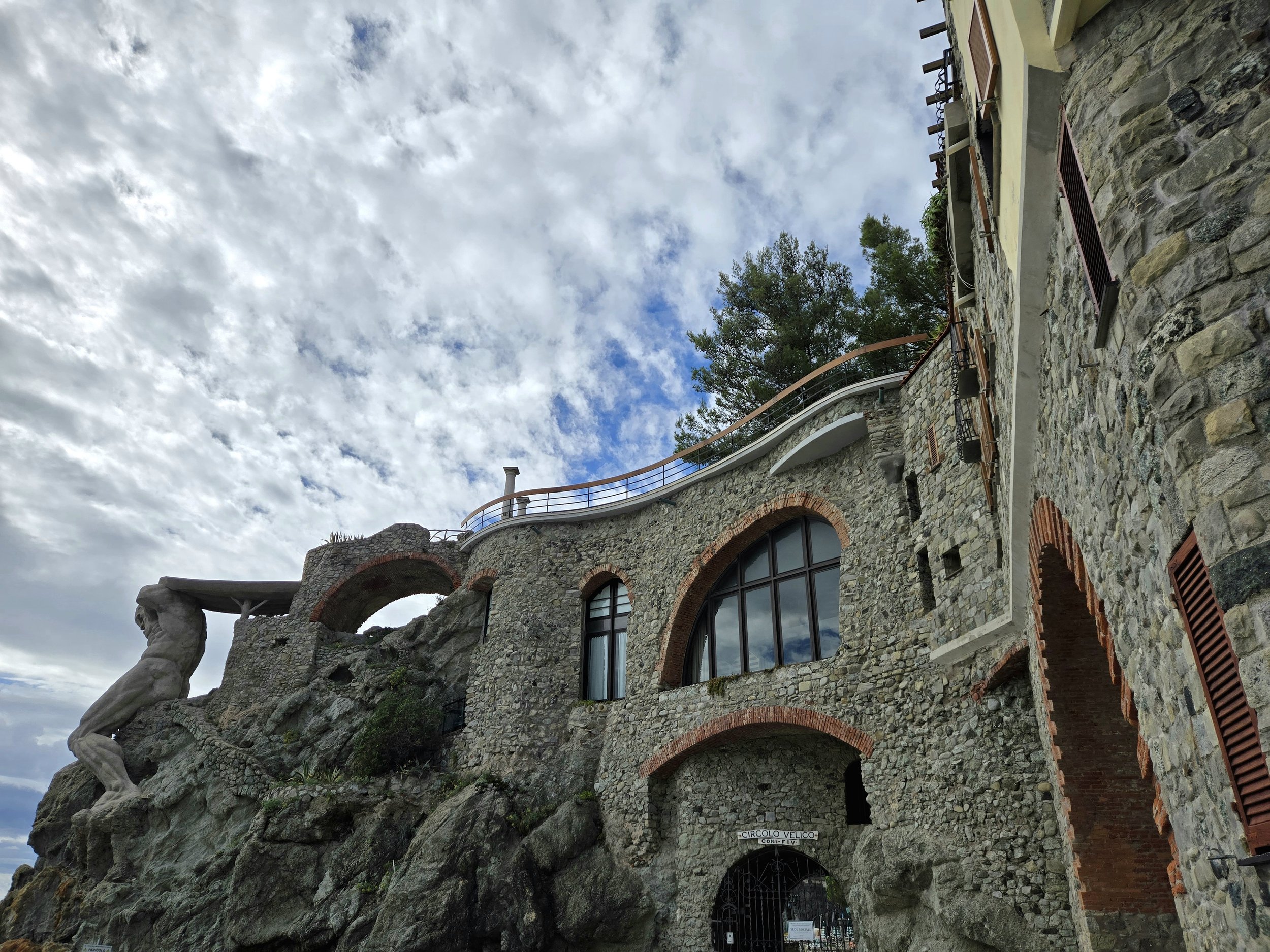
Known for narrow medieval streets and colorful terraced houses
Staying in Old Town Monterosso is recommended, as the area closest to the beach is more touristy
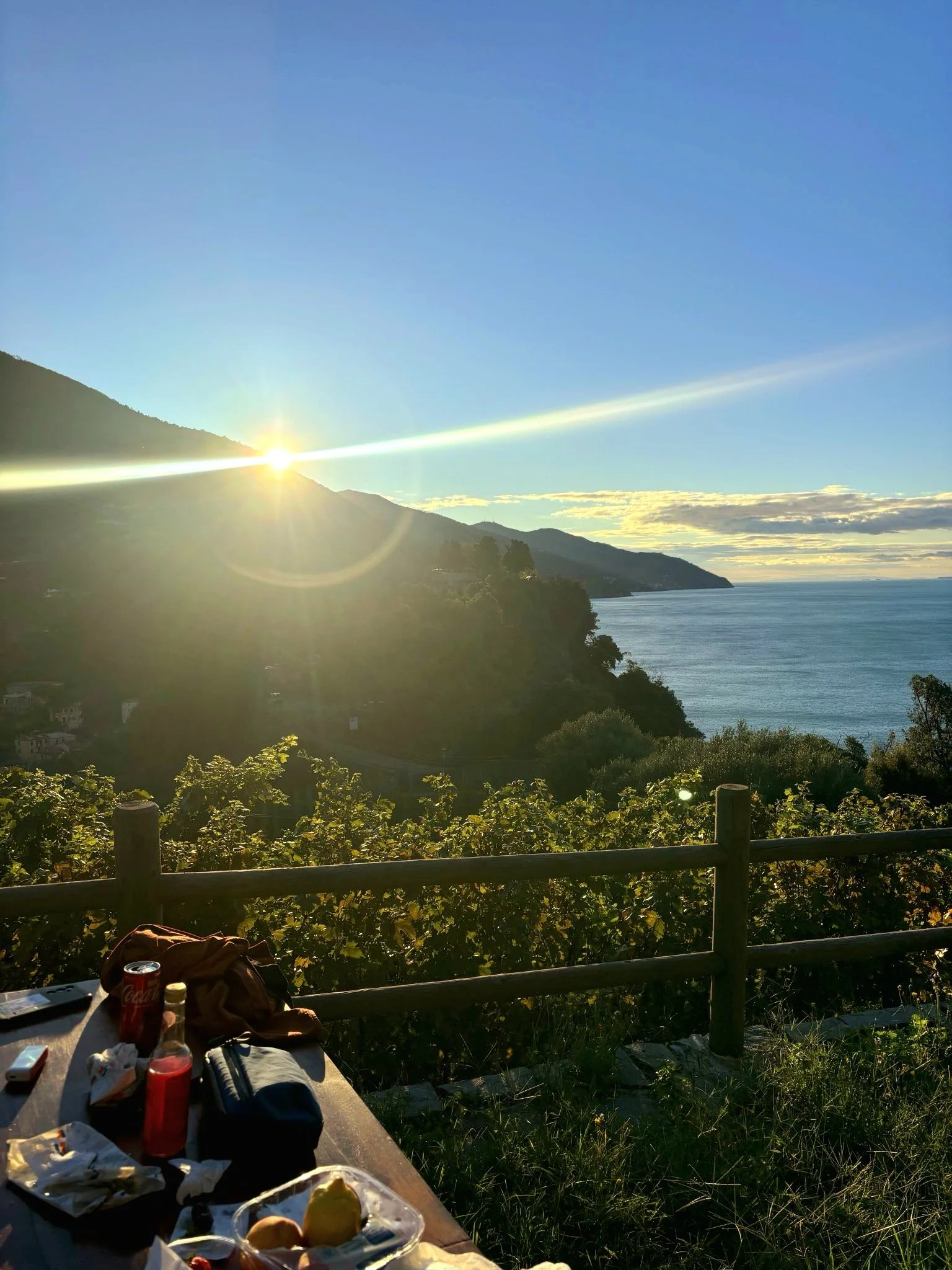
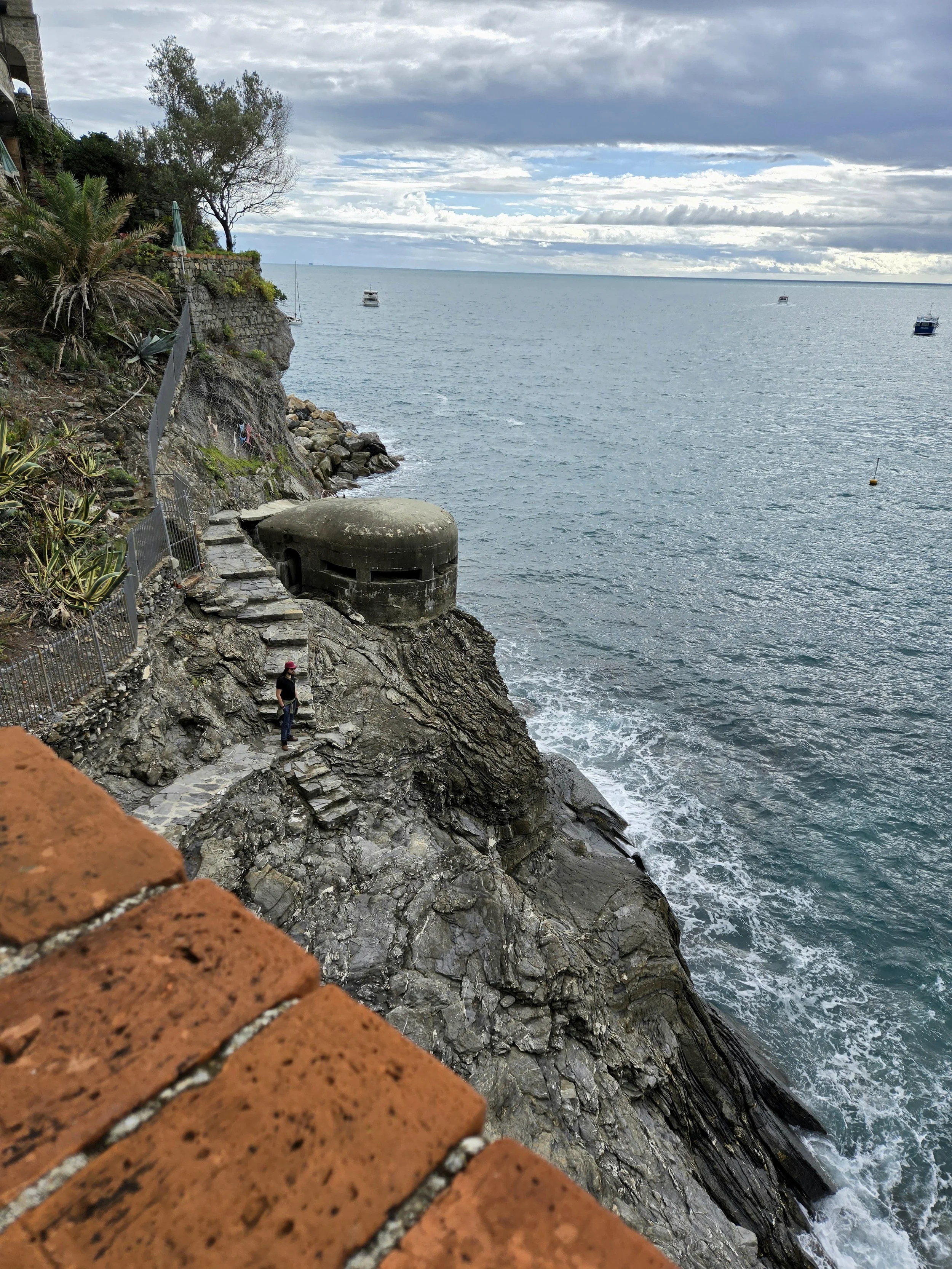
Utilizing the hiking trails of Monterosso is highly recommended, as you will see the coastline on one side and the groves on the other
The WW2 pillbox along the coast is worth seeing, though caution is recommended as the path may be difficult for some travelers
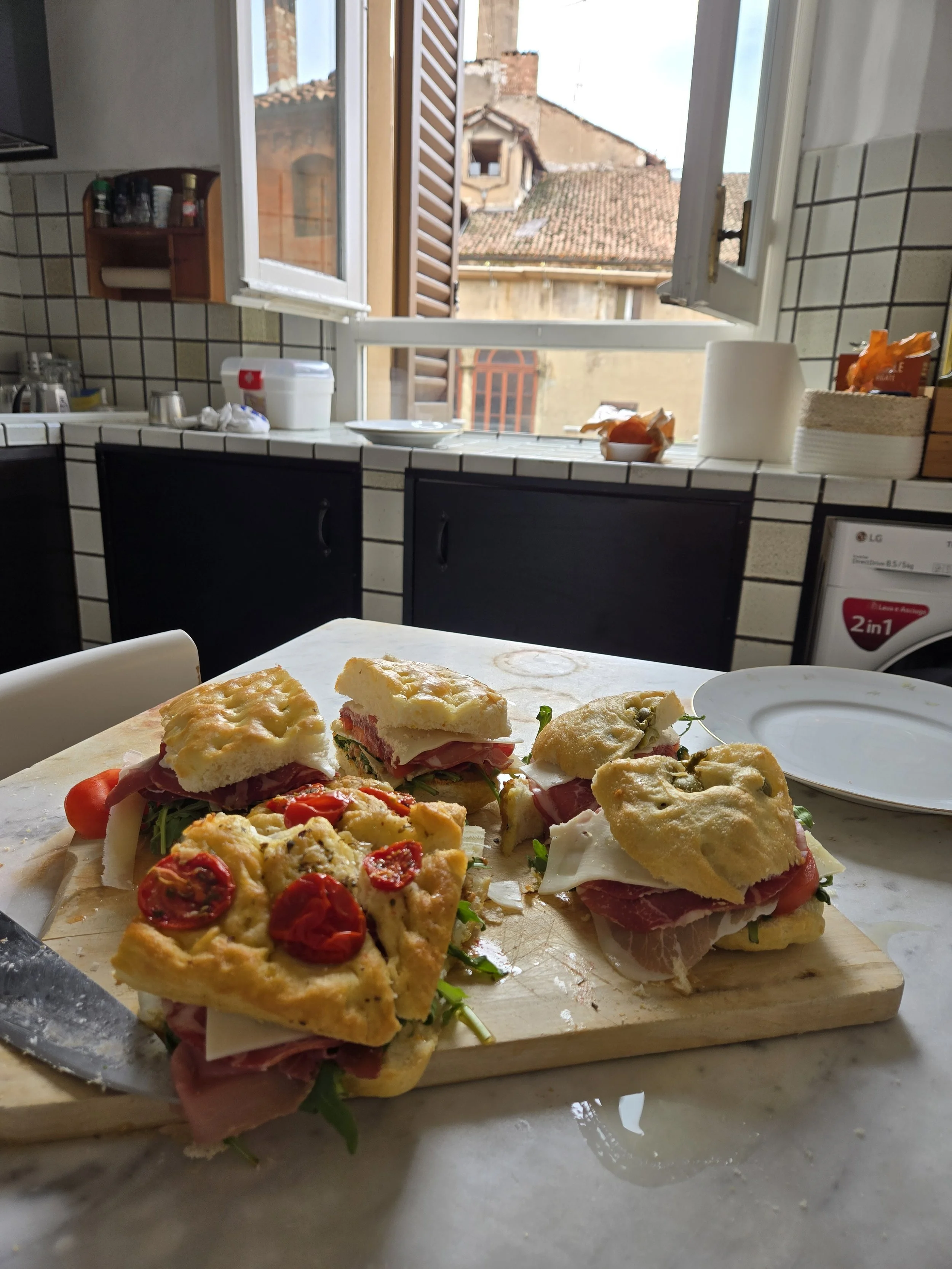
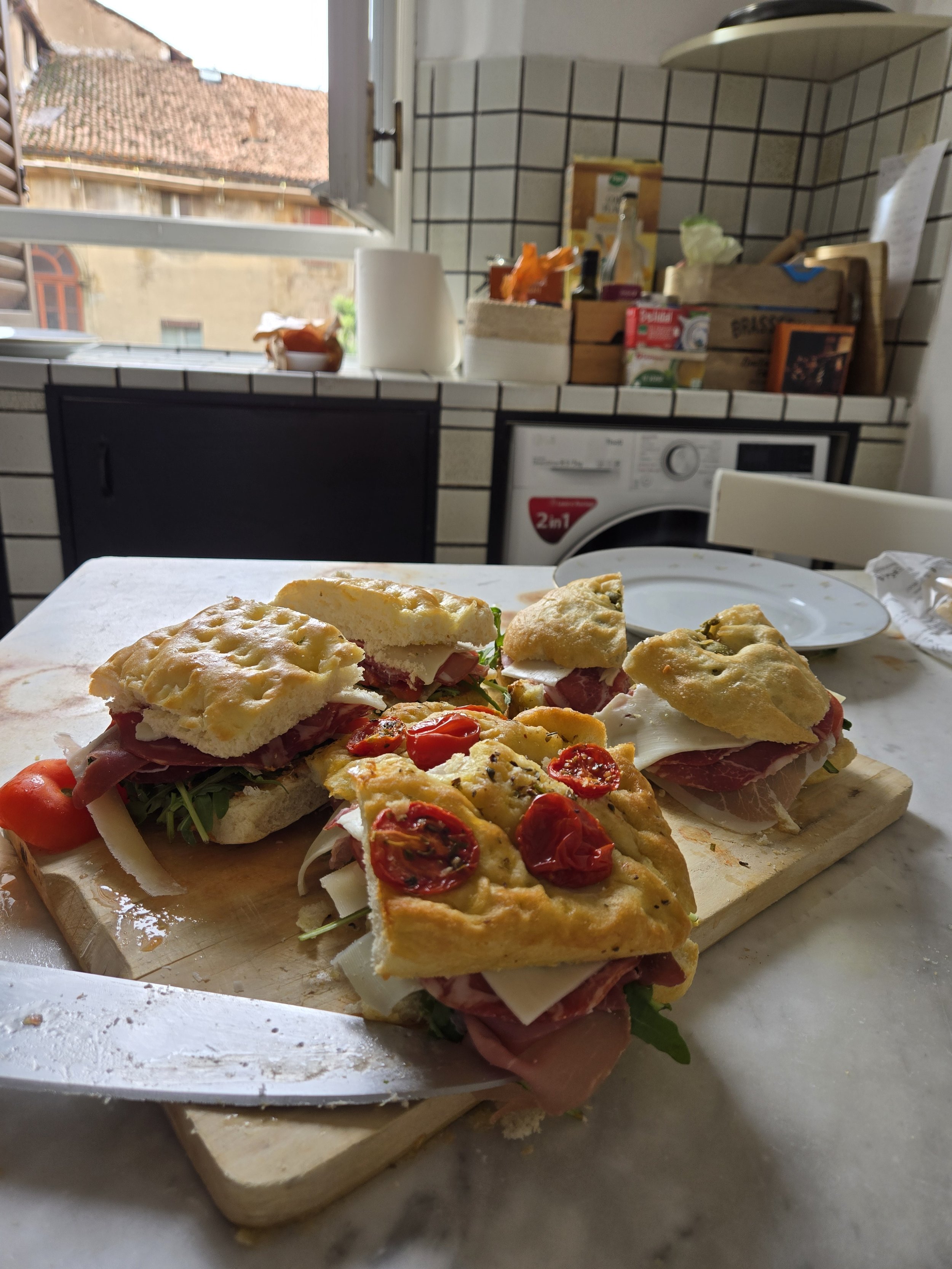
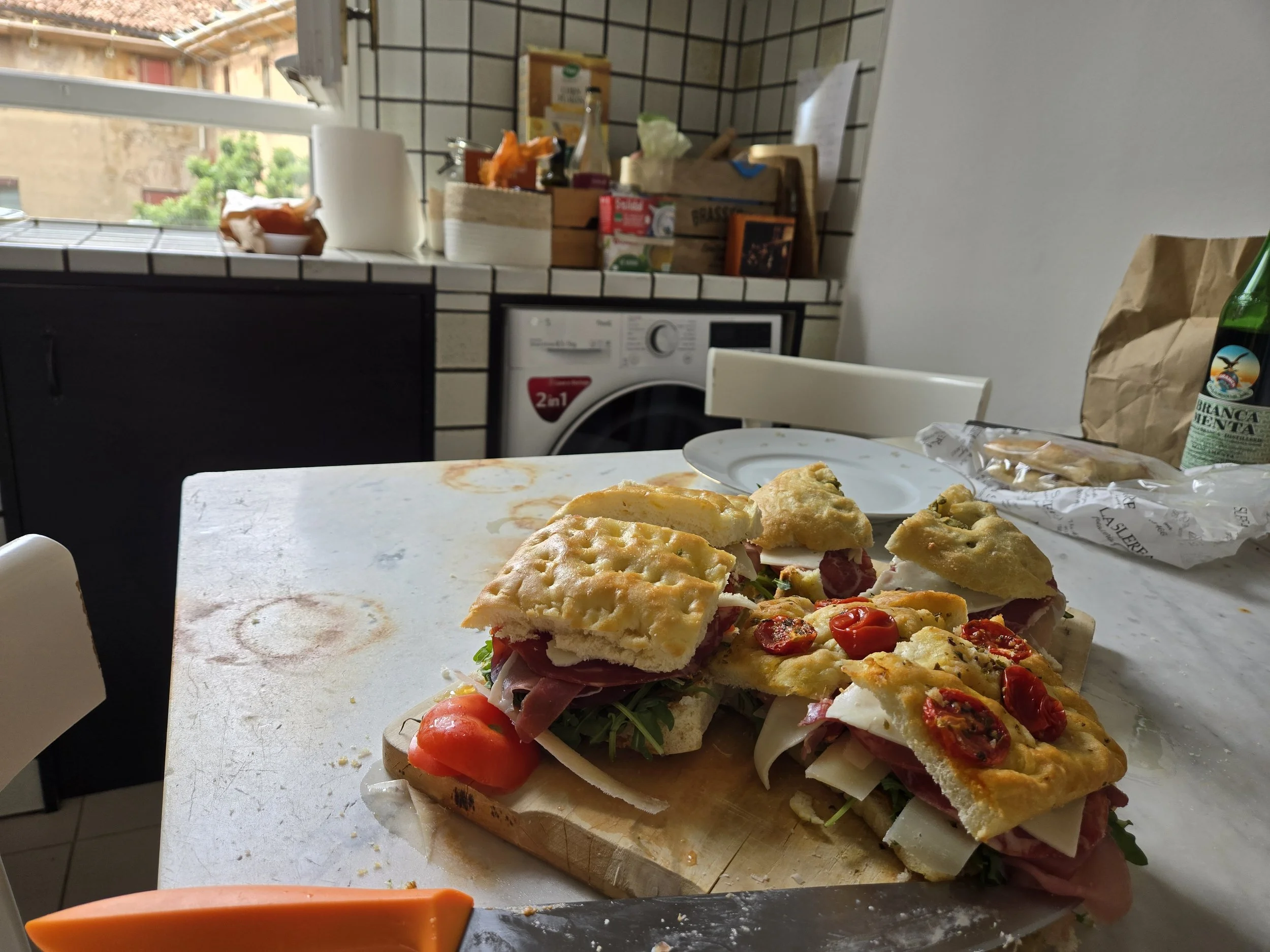
There are many picturesque shops and restaurants—try the lemon products, local focaccia, and Aperol Spritz
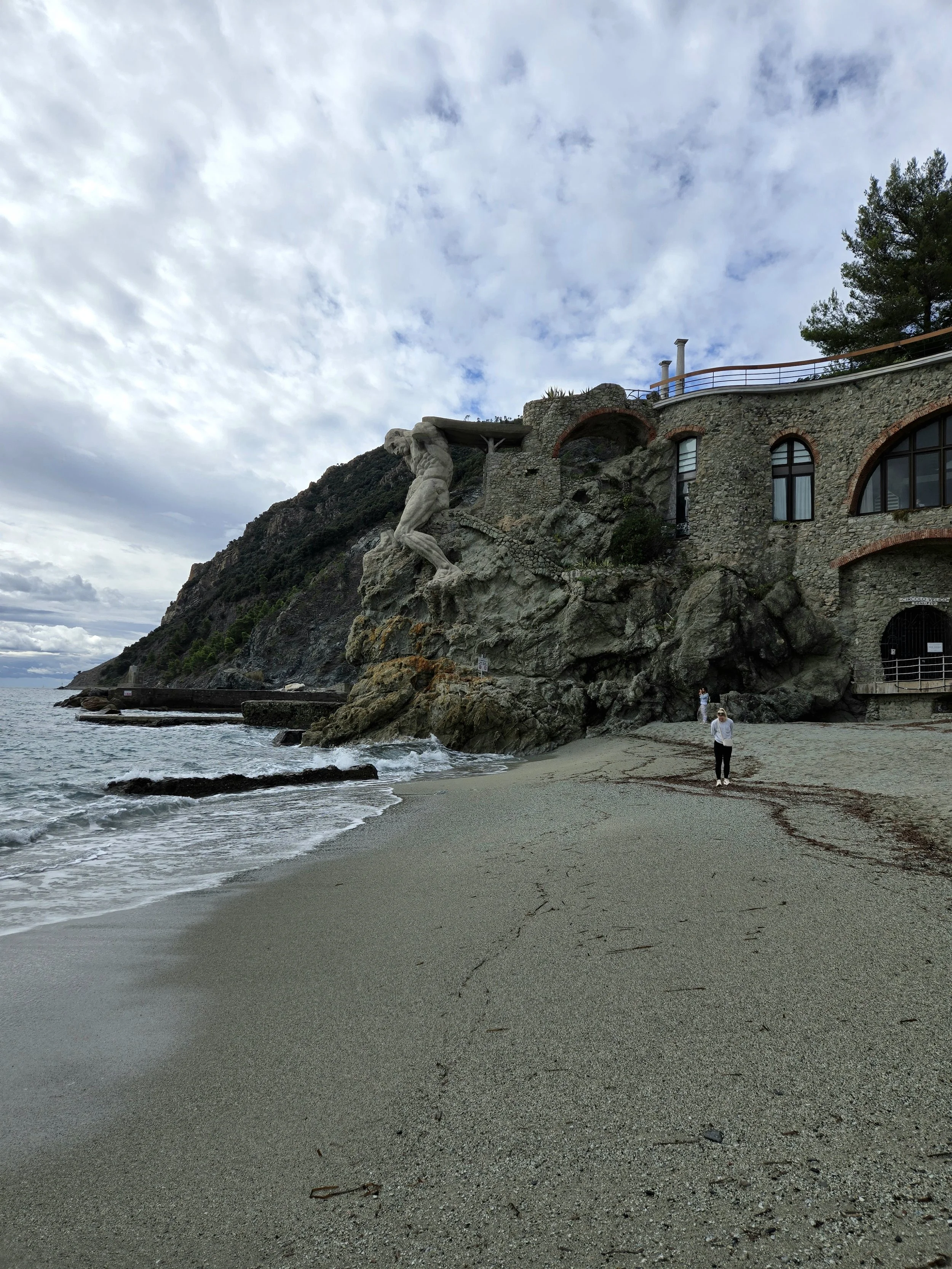
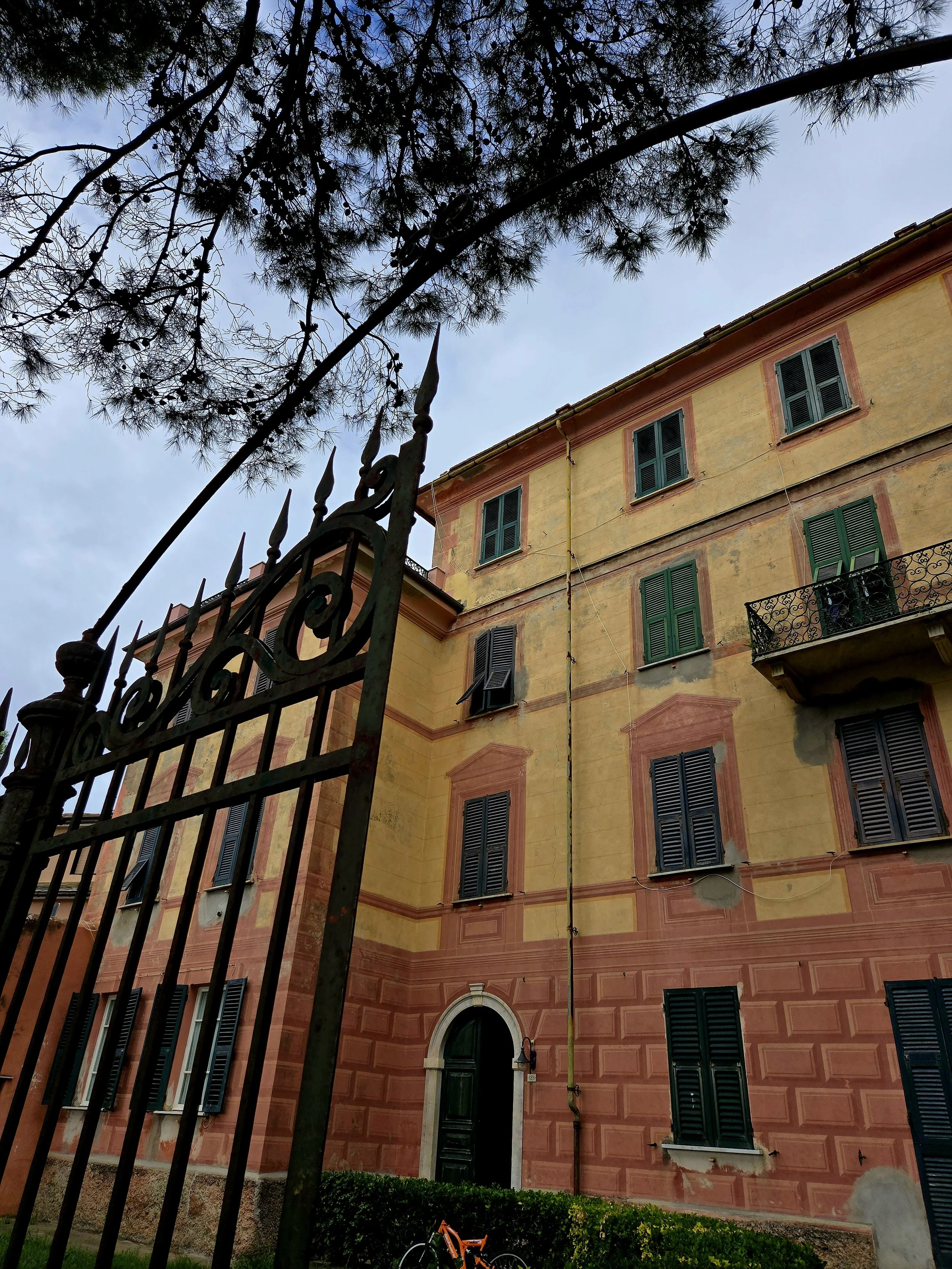
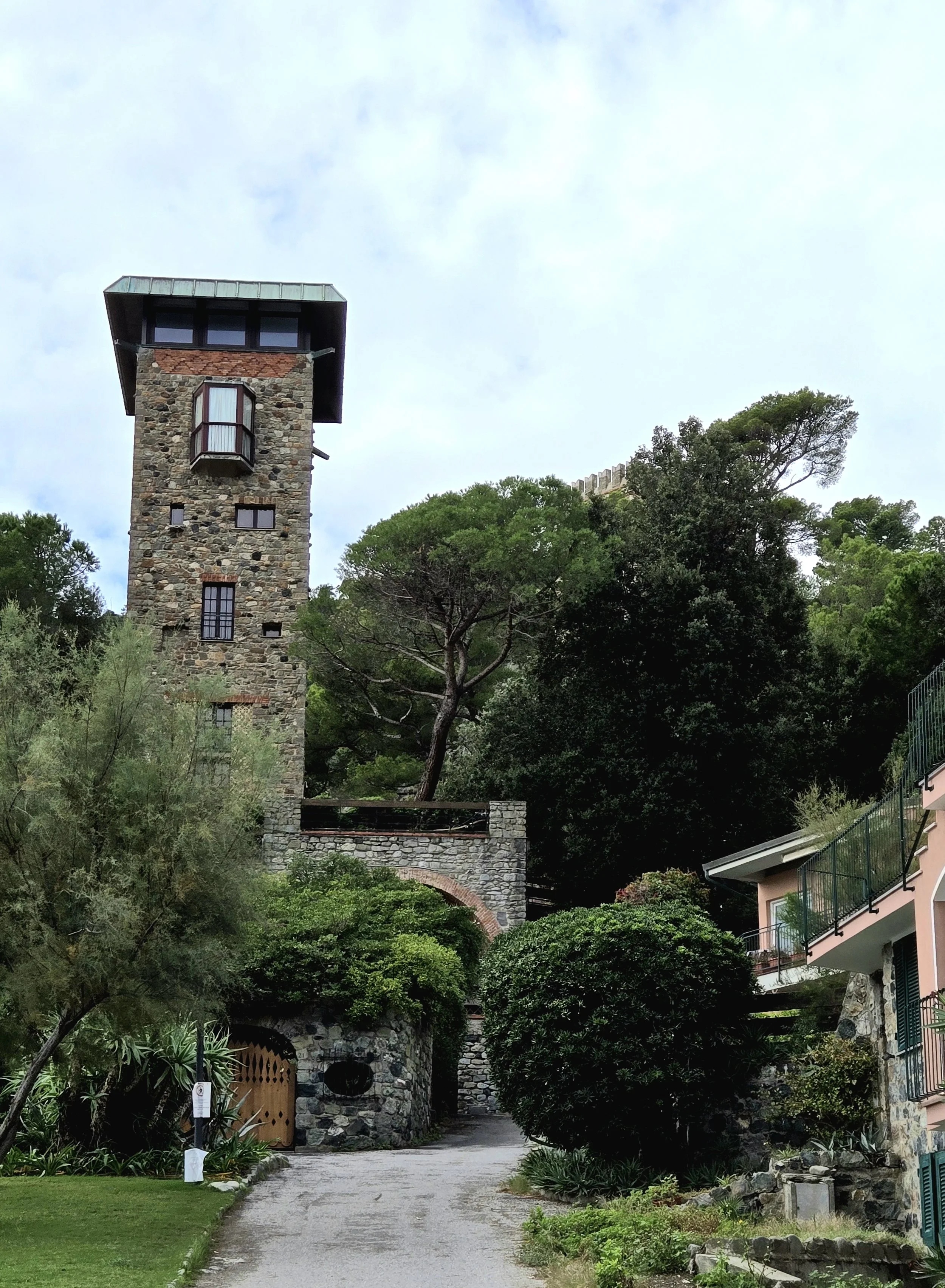
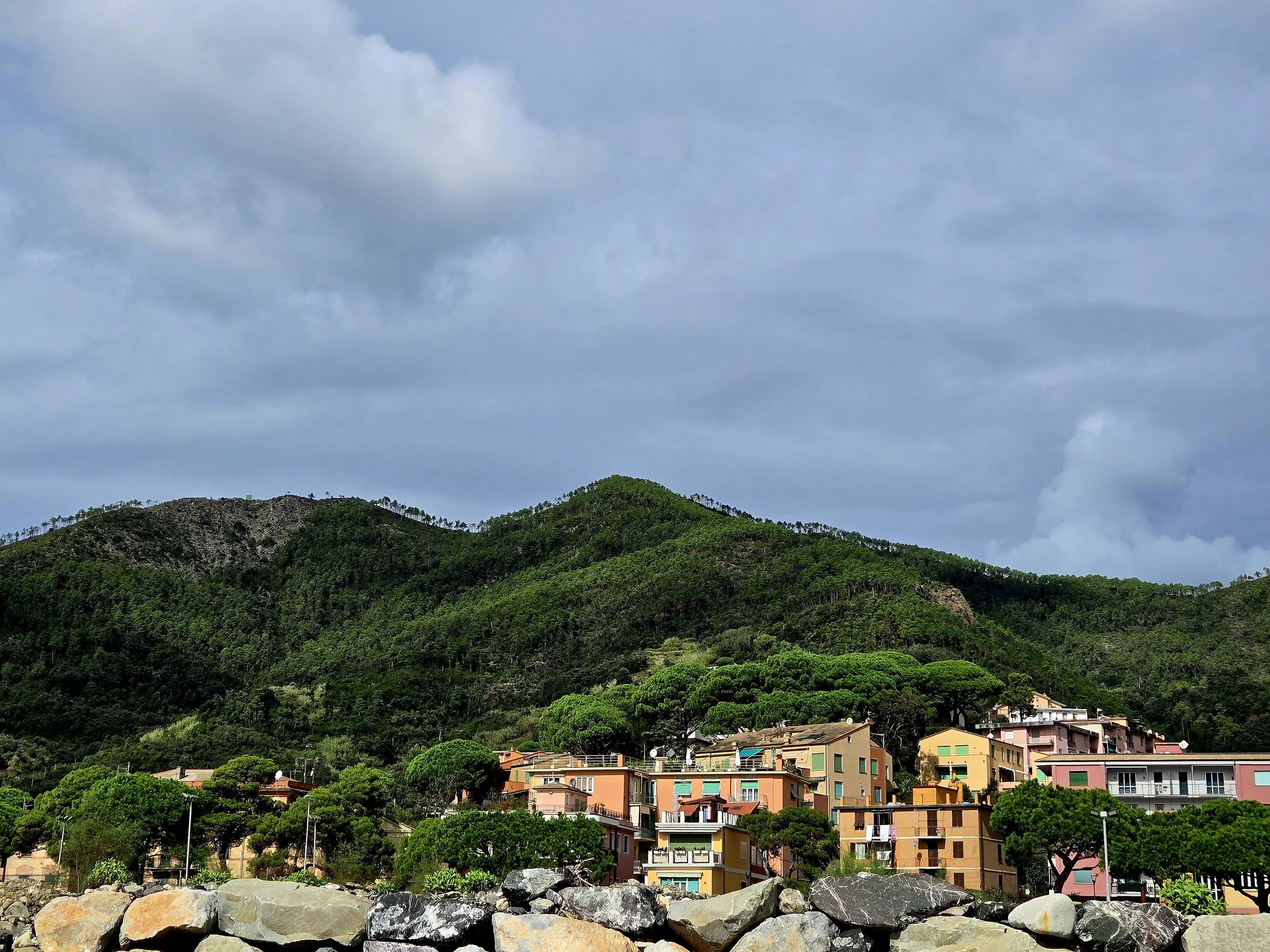
Manarola
About
Located in the Cinque Terre region
Ancient roads built by the Romans are present, as Romans established early settlements in Manarola and Monterosso
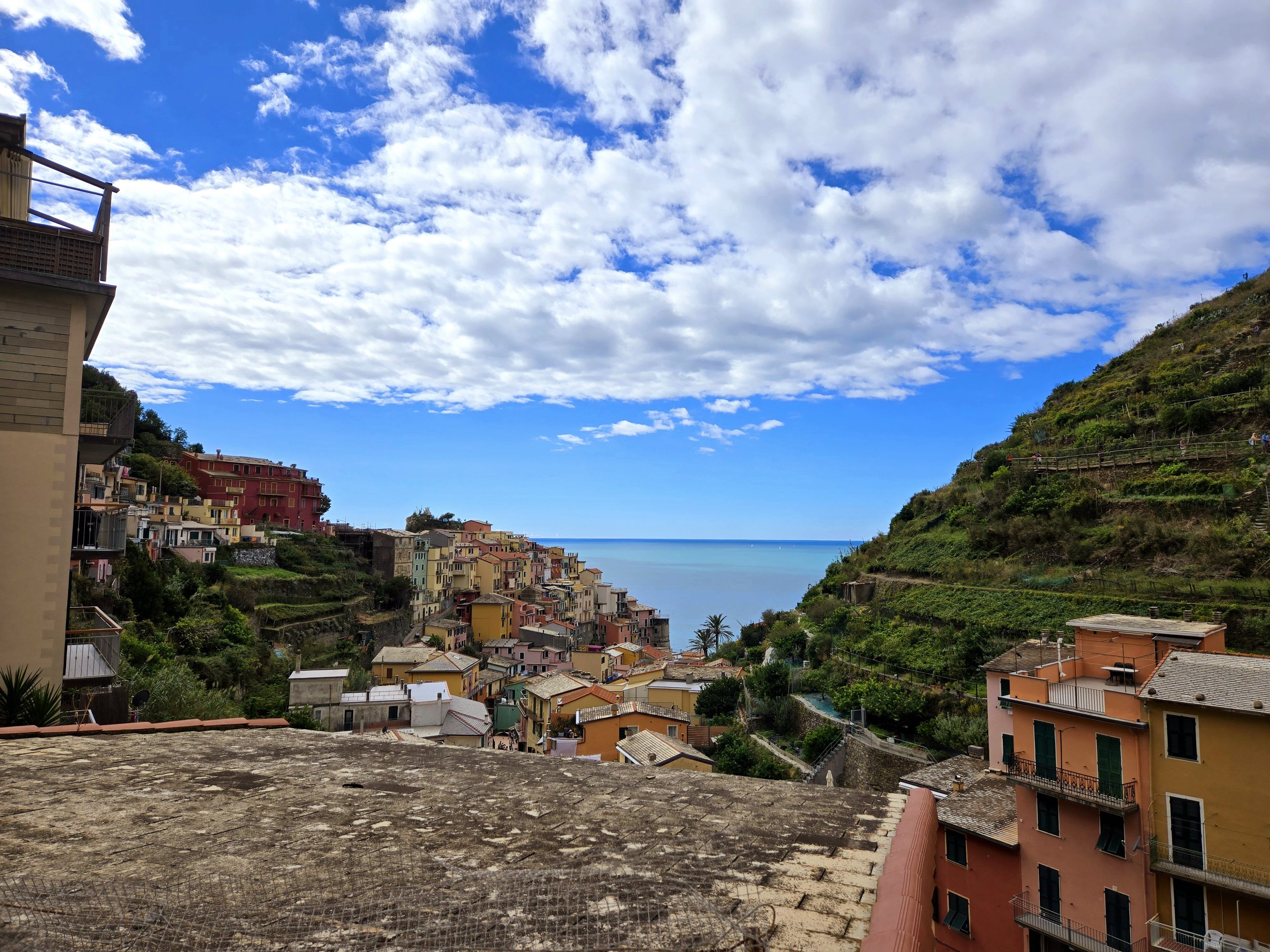
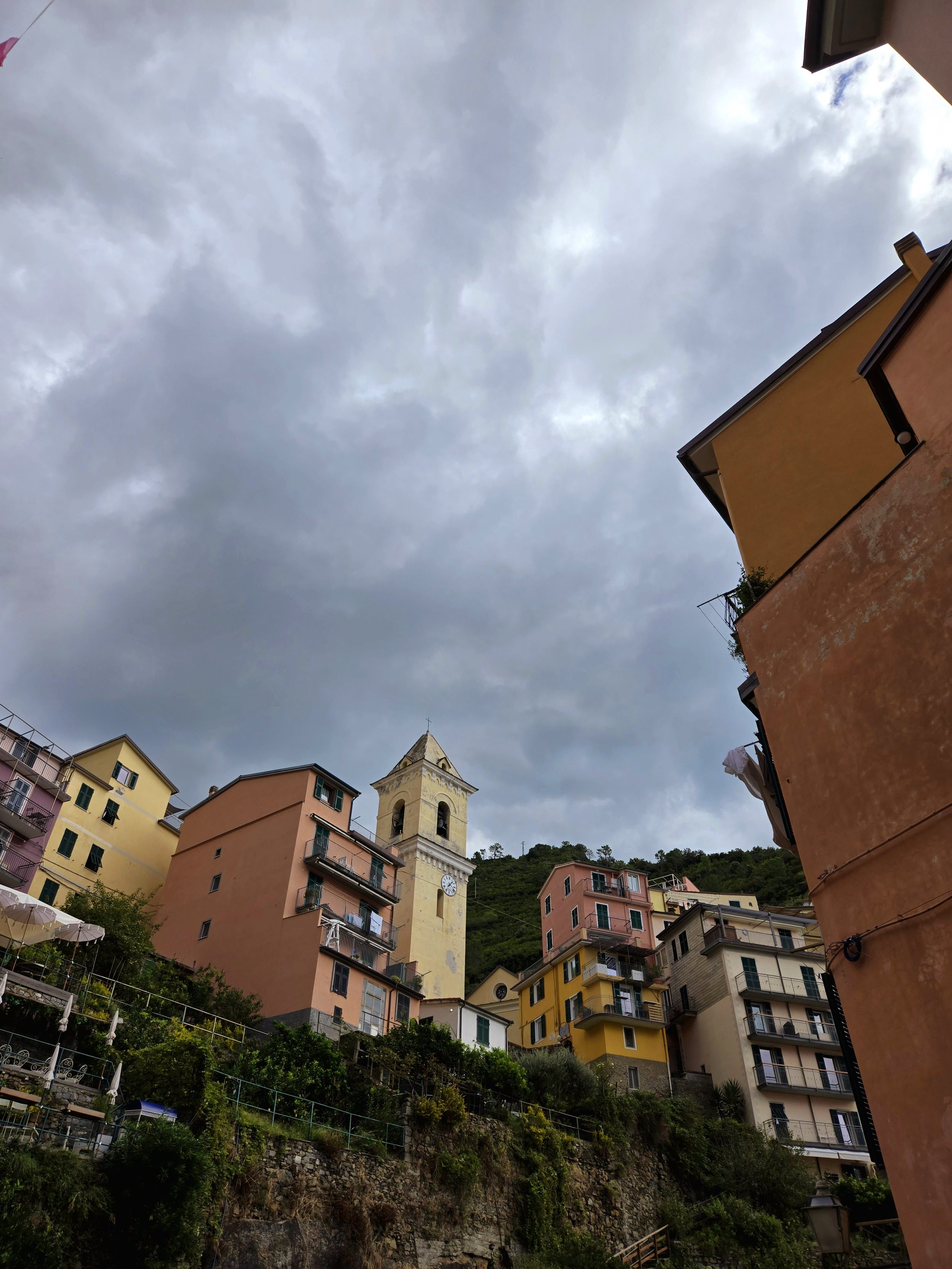
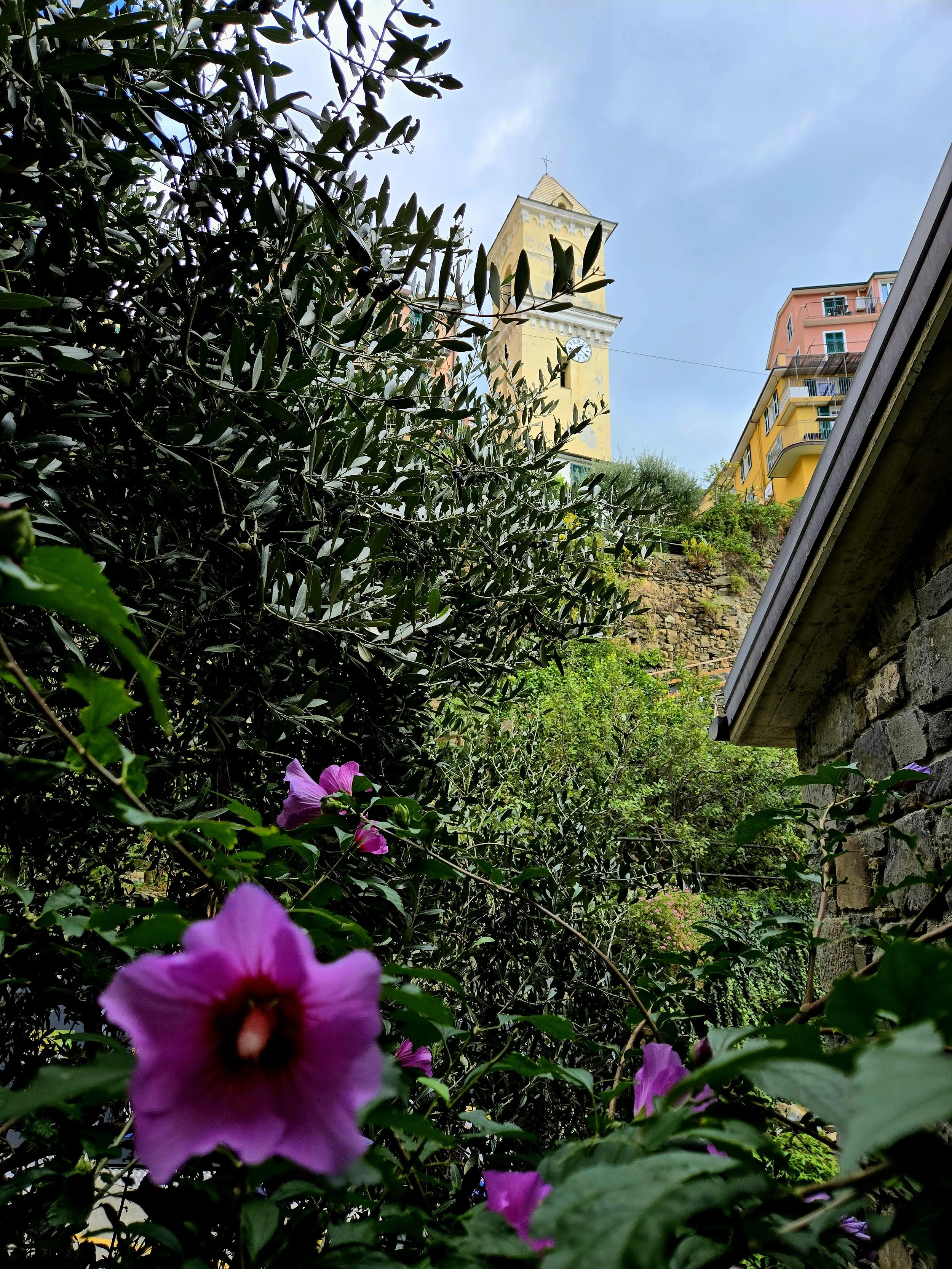
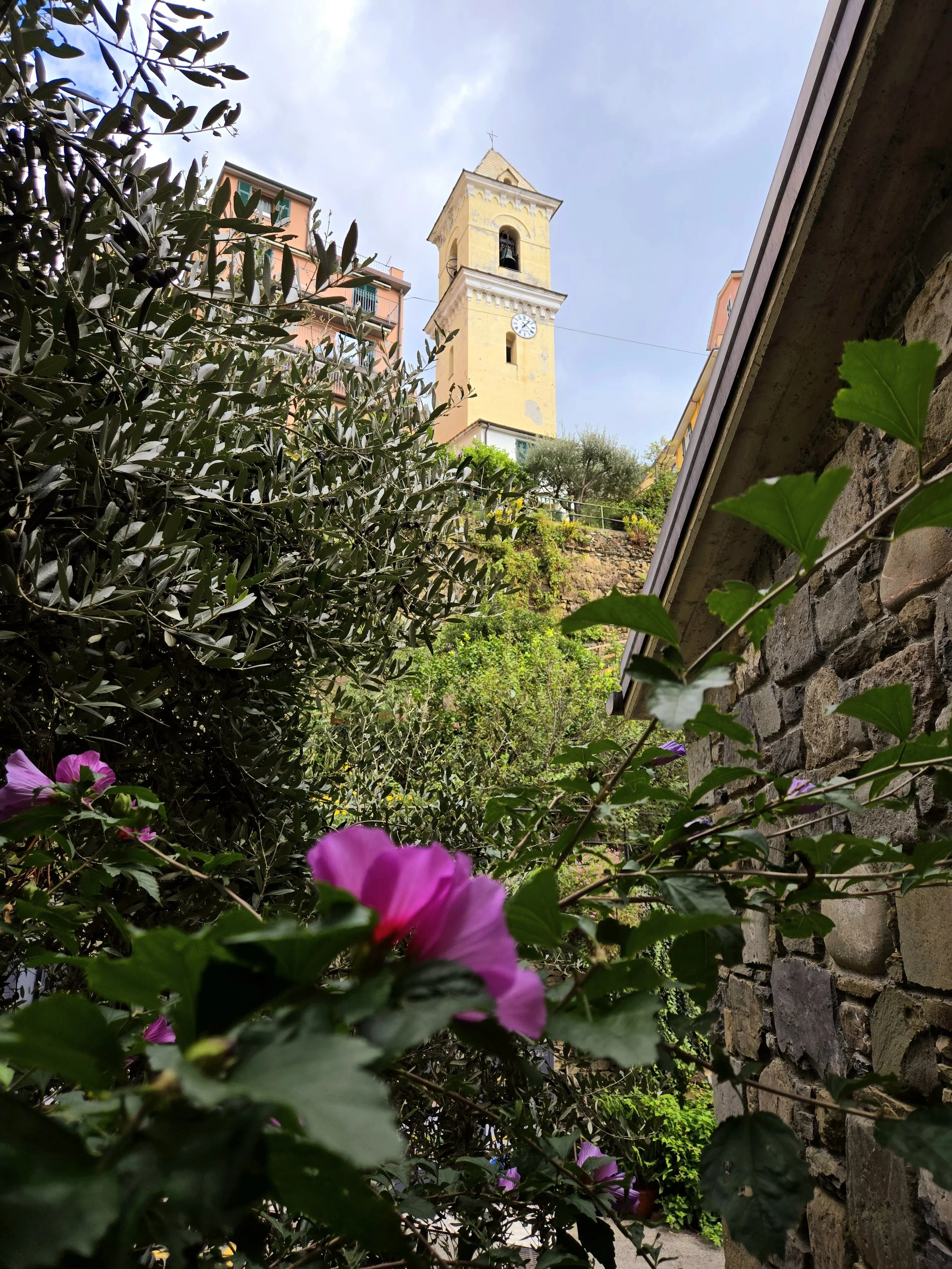
Known for narrow medieval streets and colorful terraced houses
Extremely touristy and crowded—we learned that visiting Manarola was not necessary and Monterosso was the ideal place to visit and stay
If you’re looking for additional shops and restaurants, Manarola does offer that
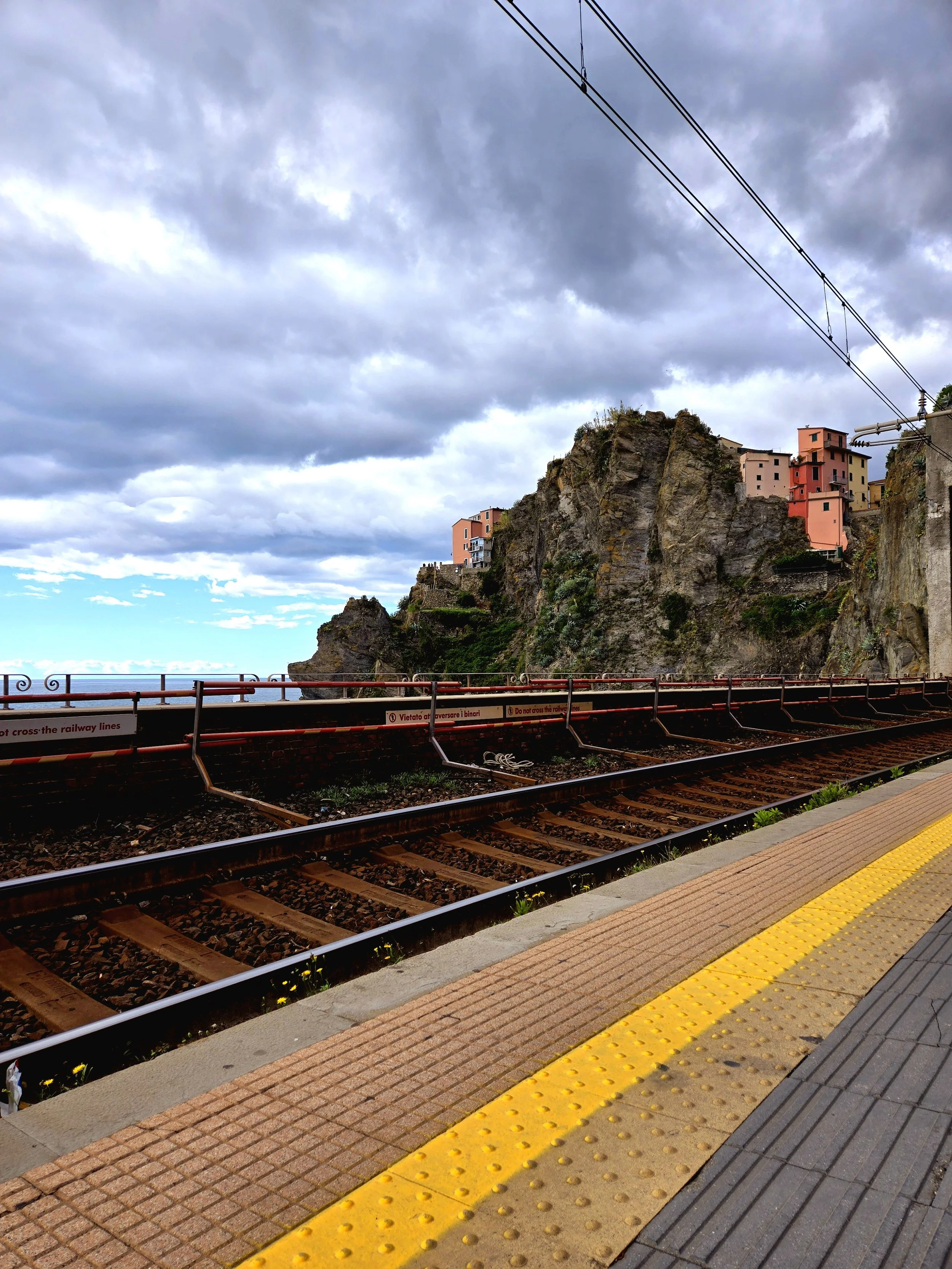
Milan
About
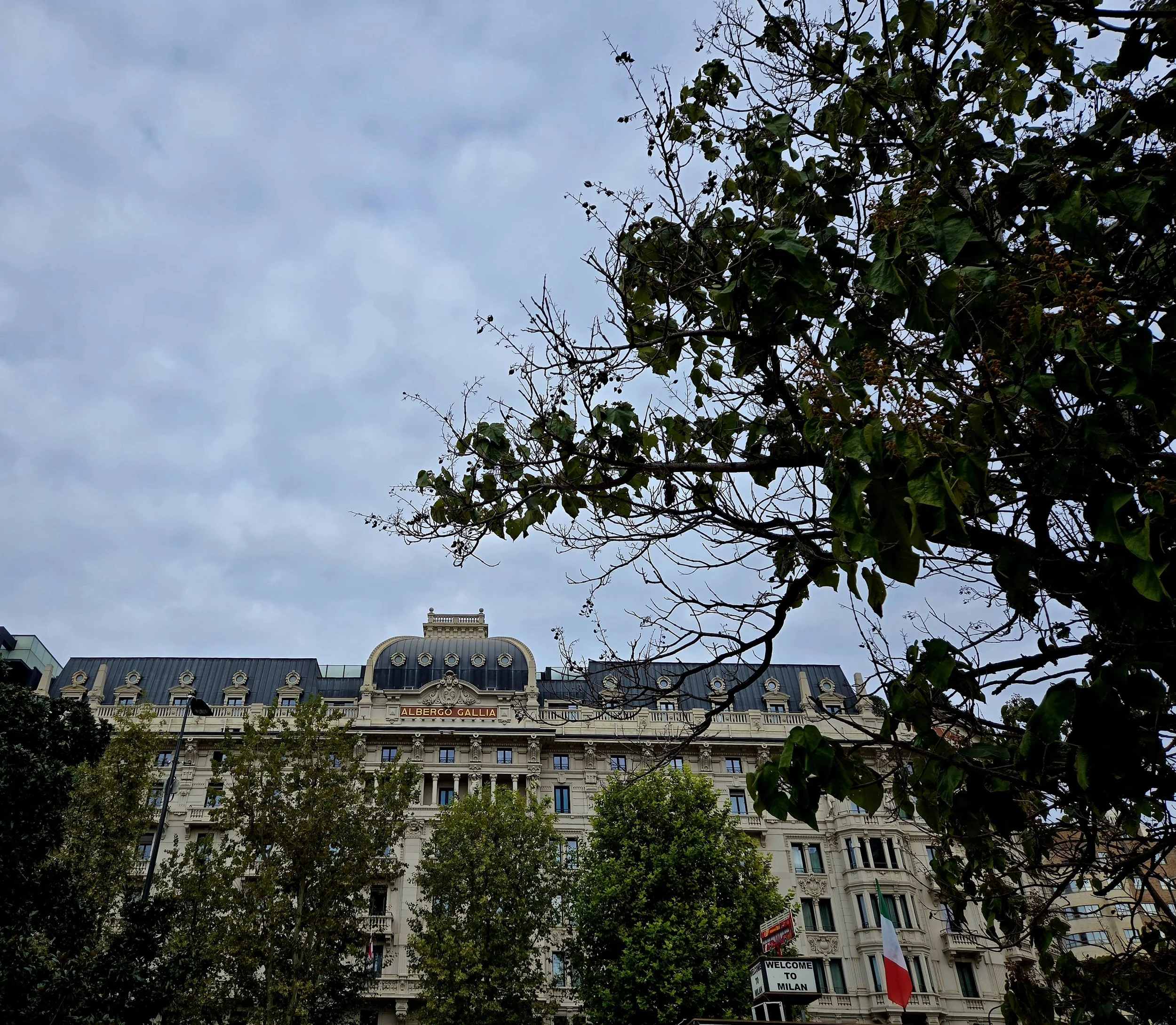
Expect larger and more modern buildings
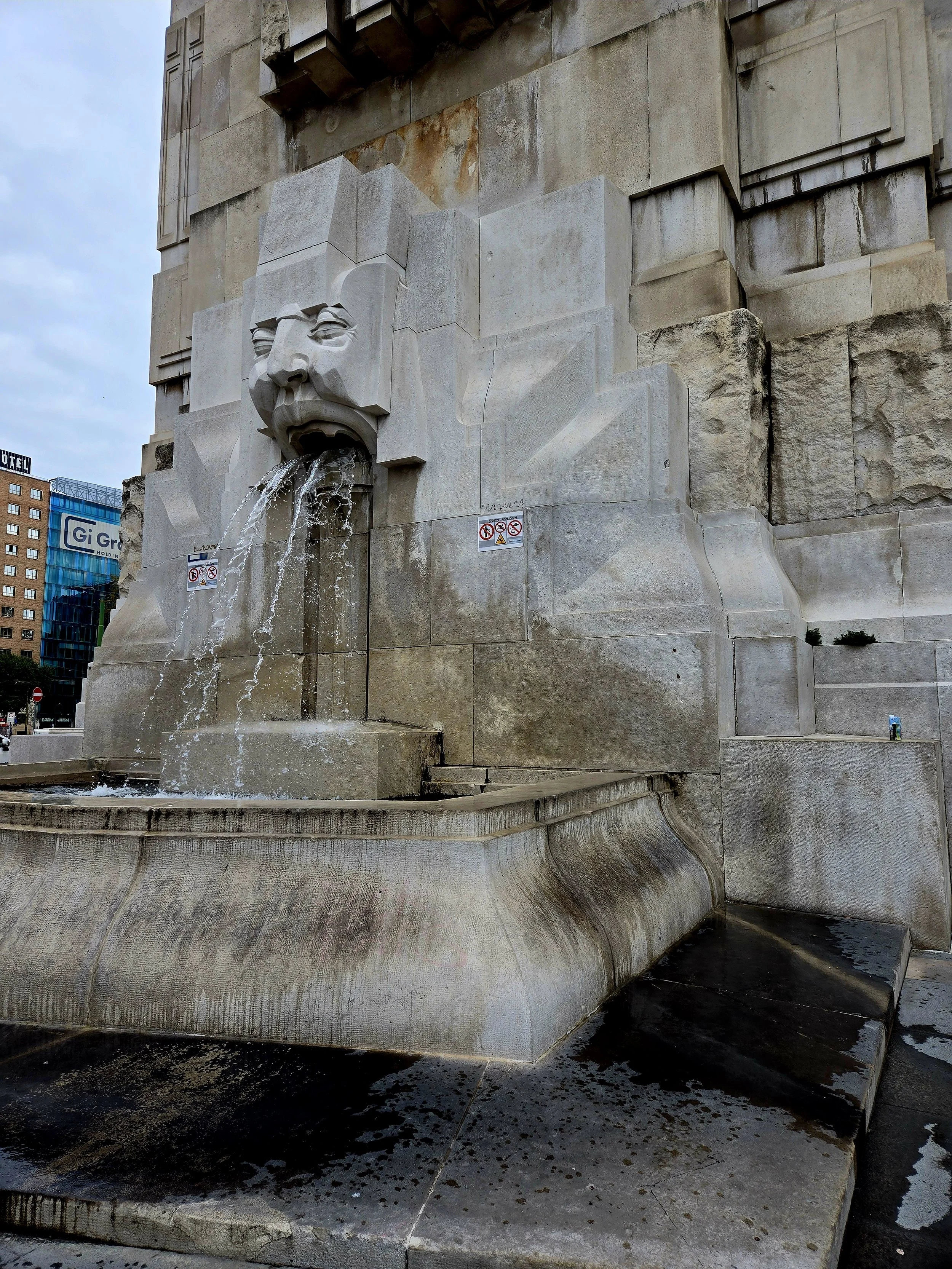
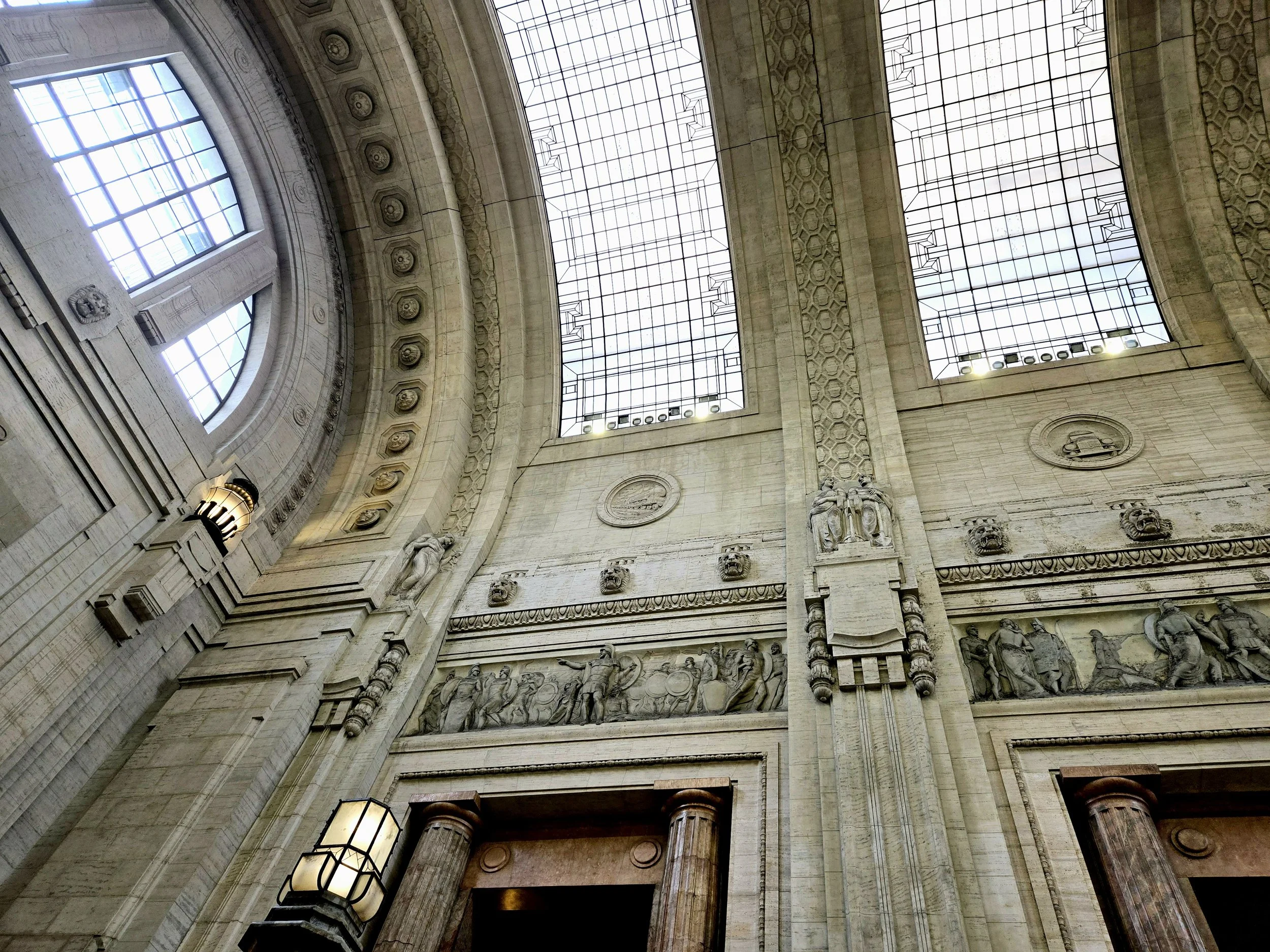
We didn’t visit Milan for too long—it wasn’t our priority
Florence
About
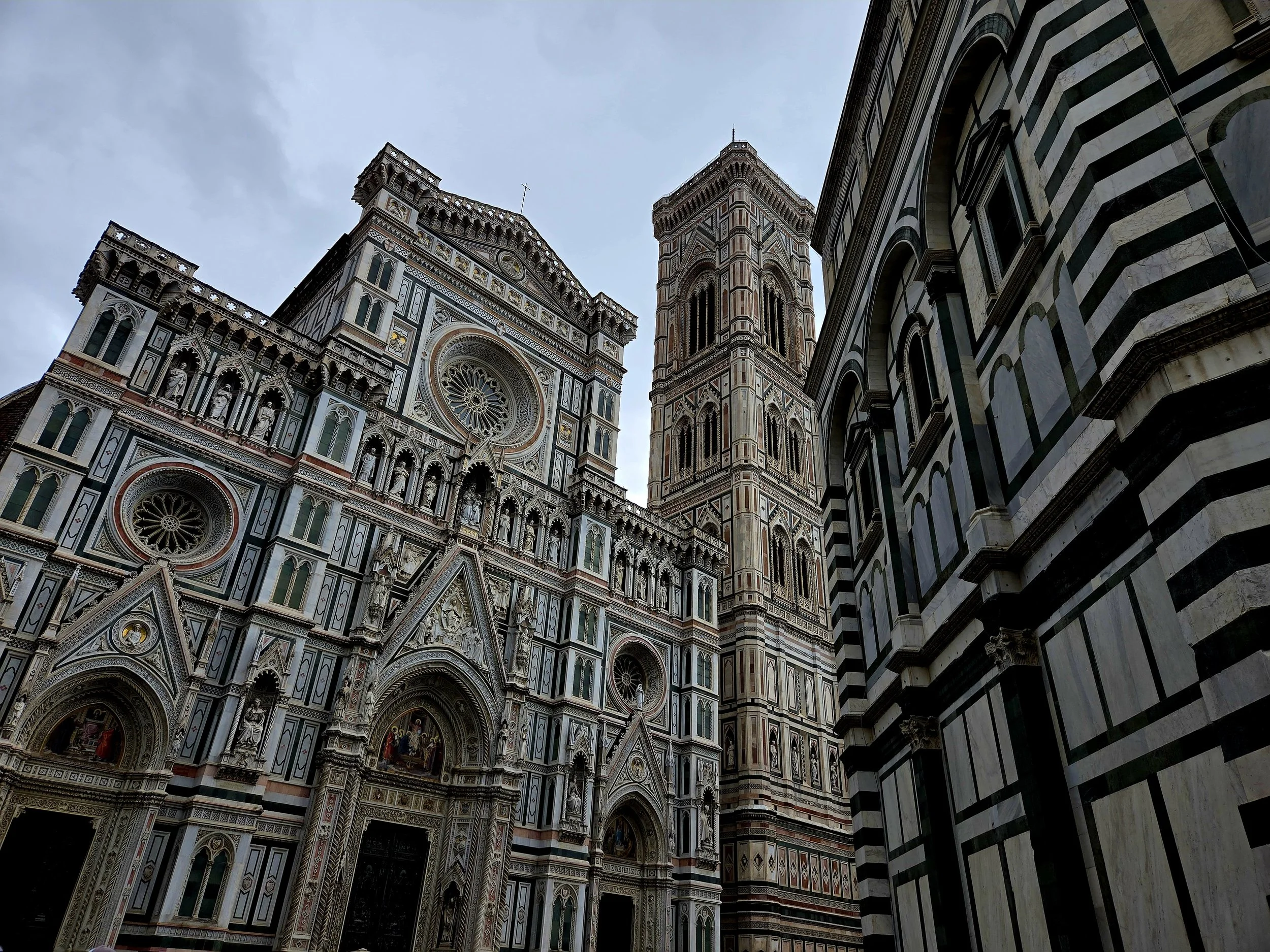
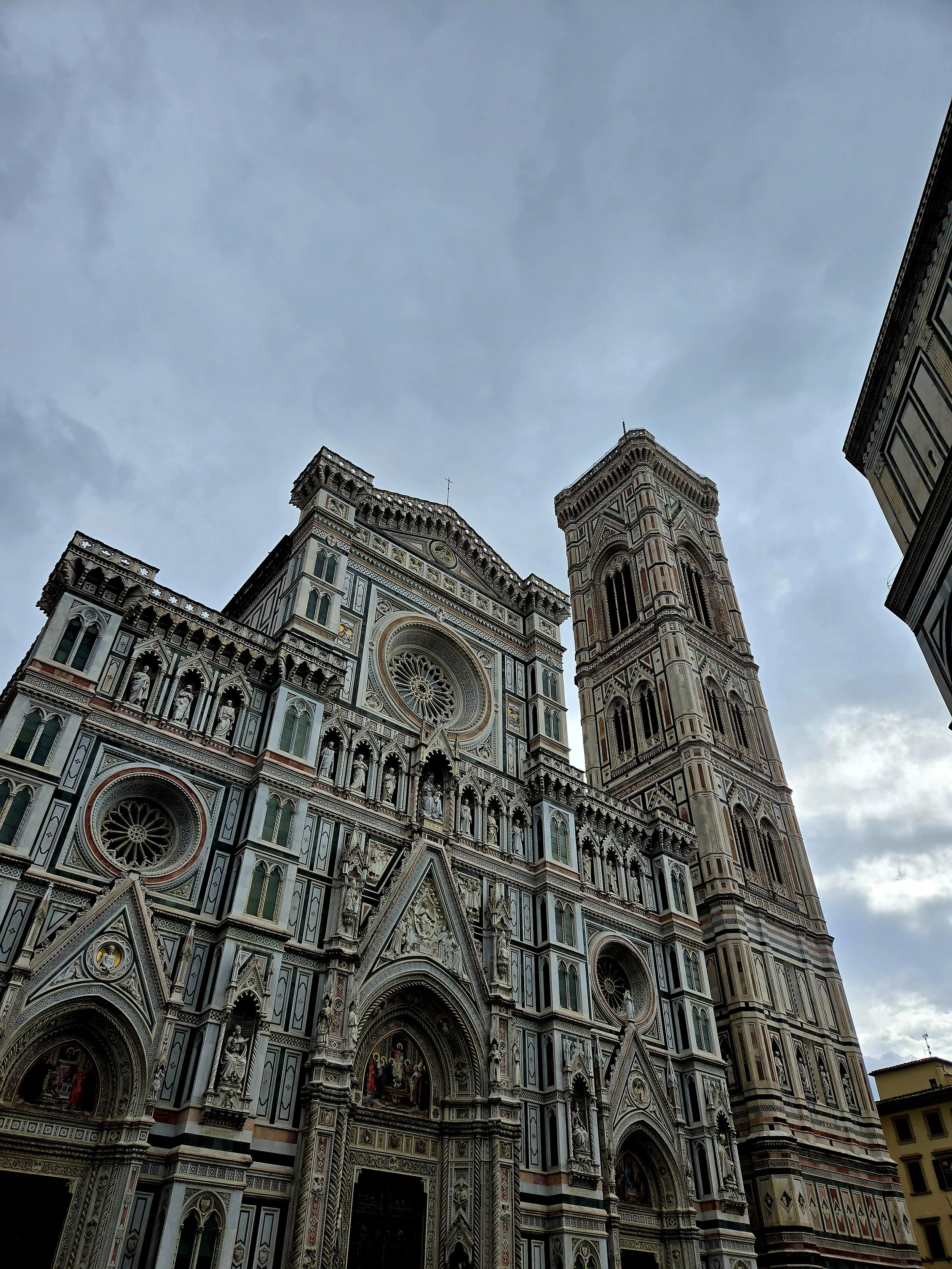
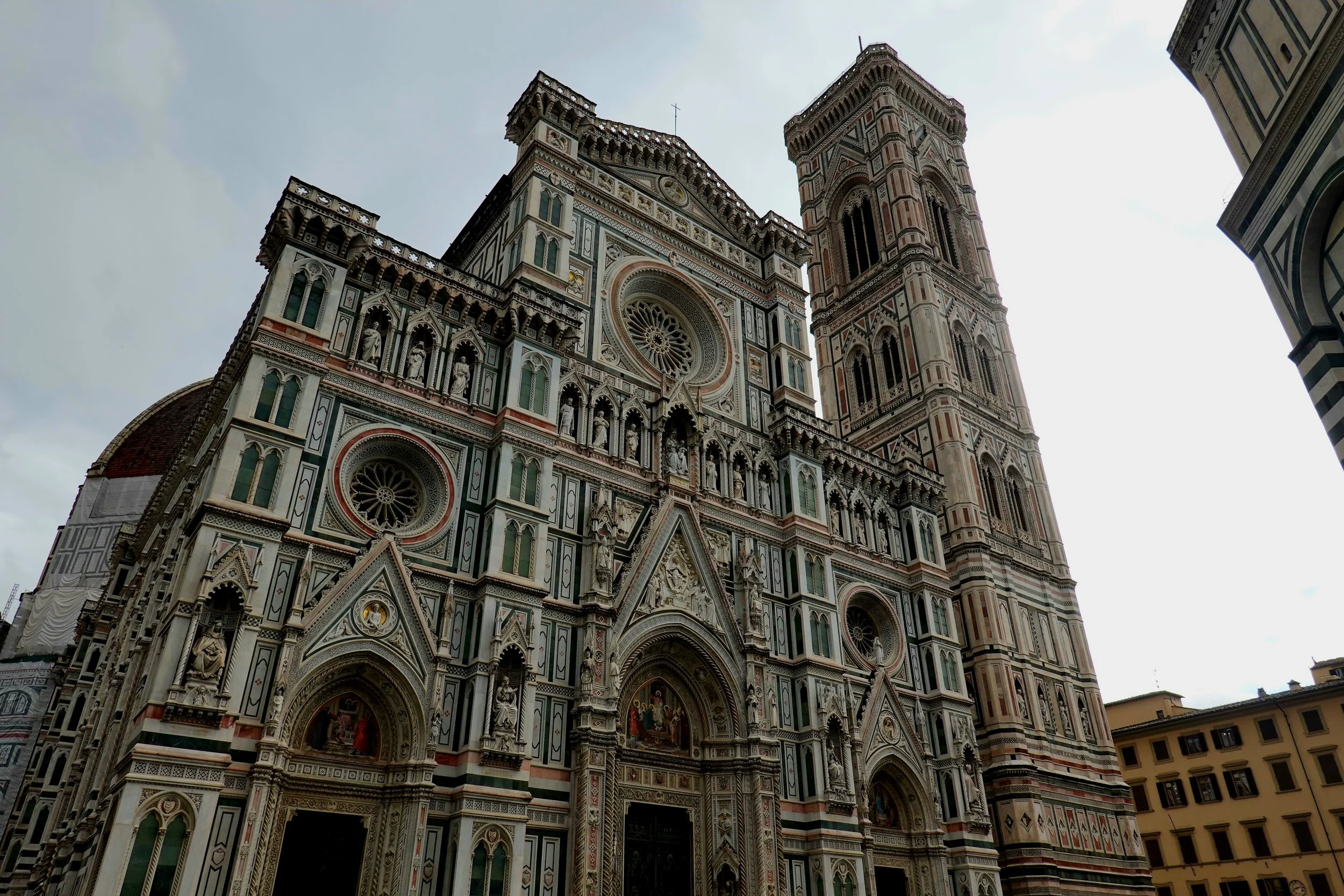
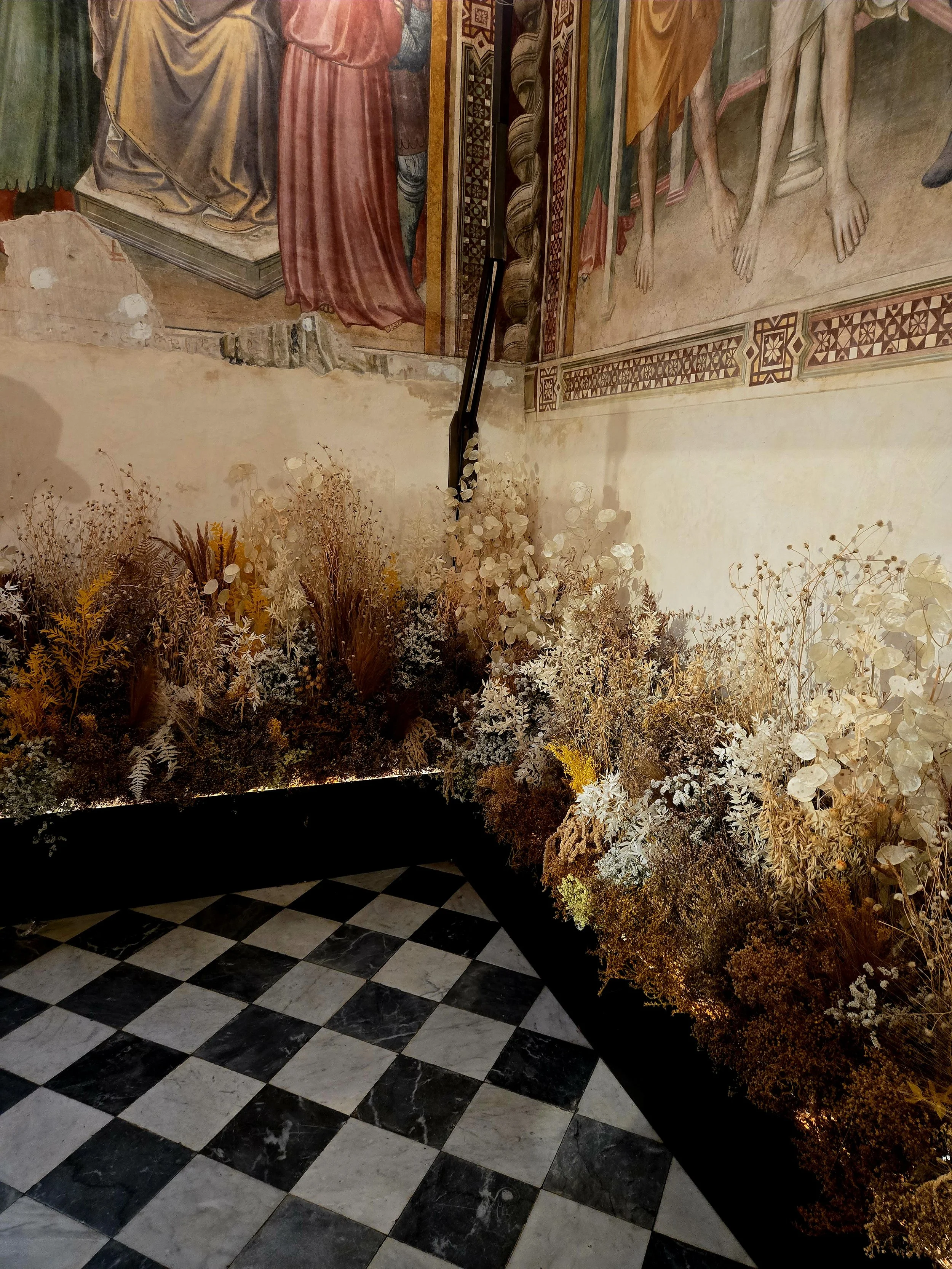
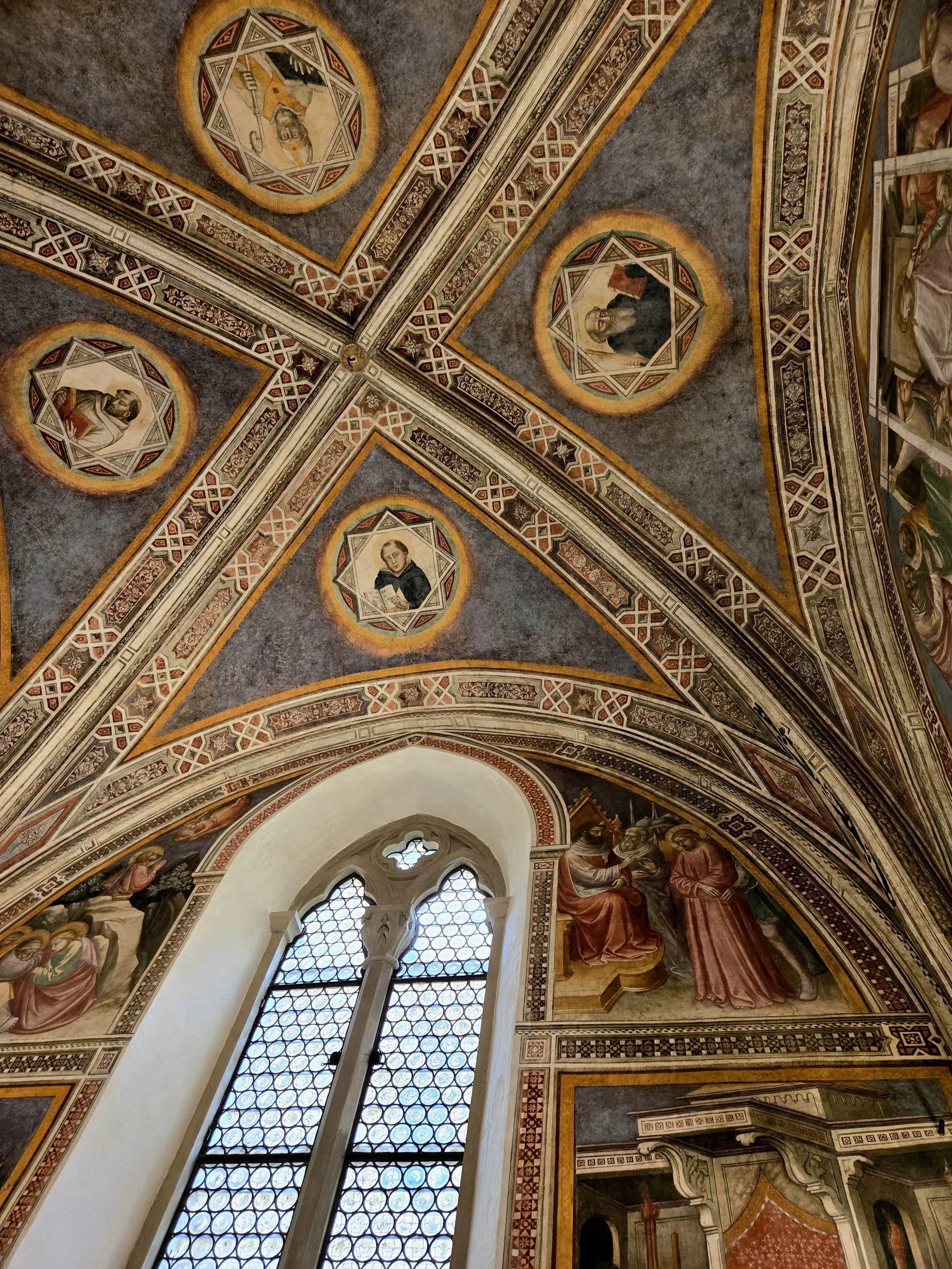
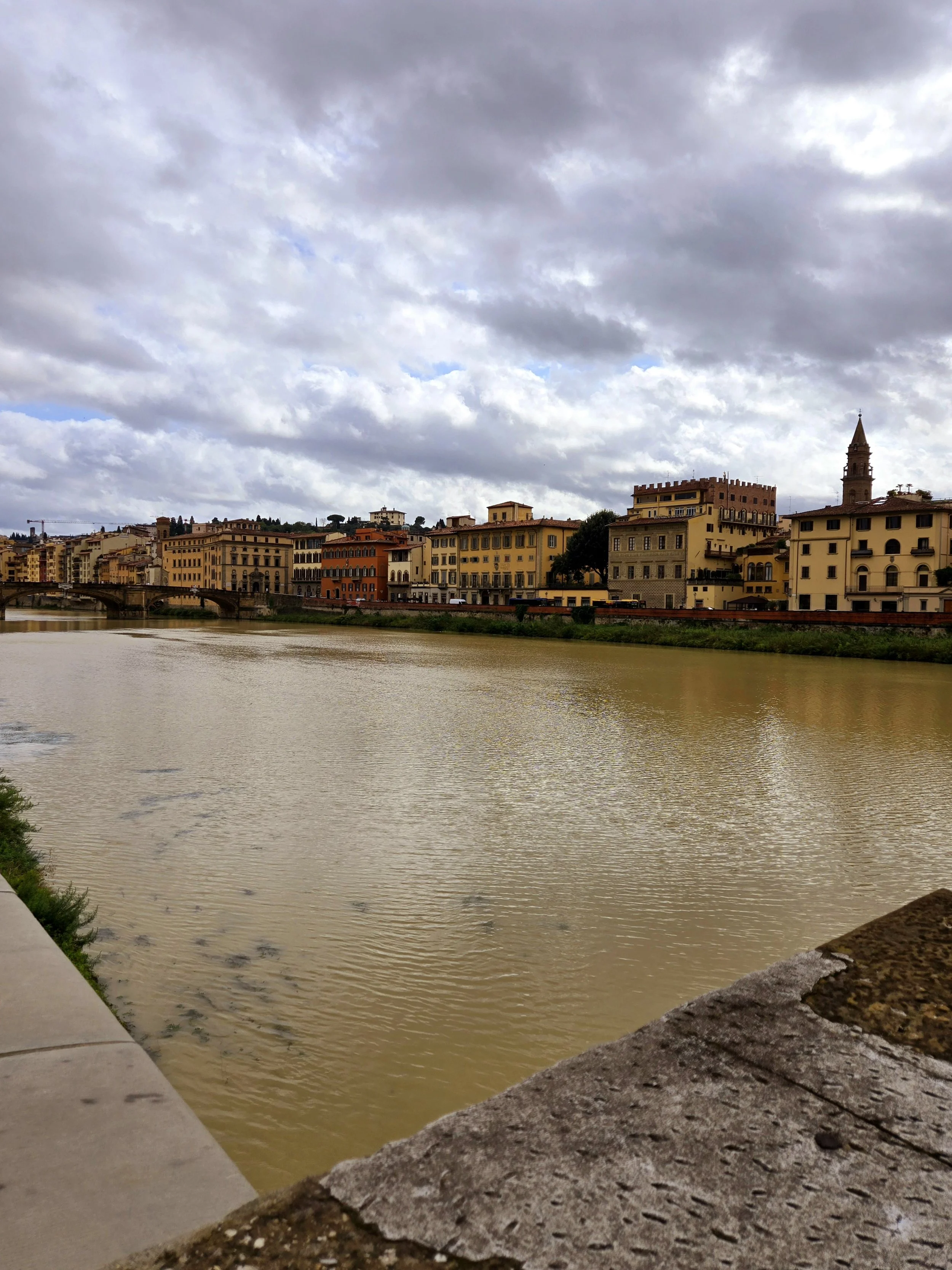
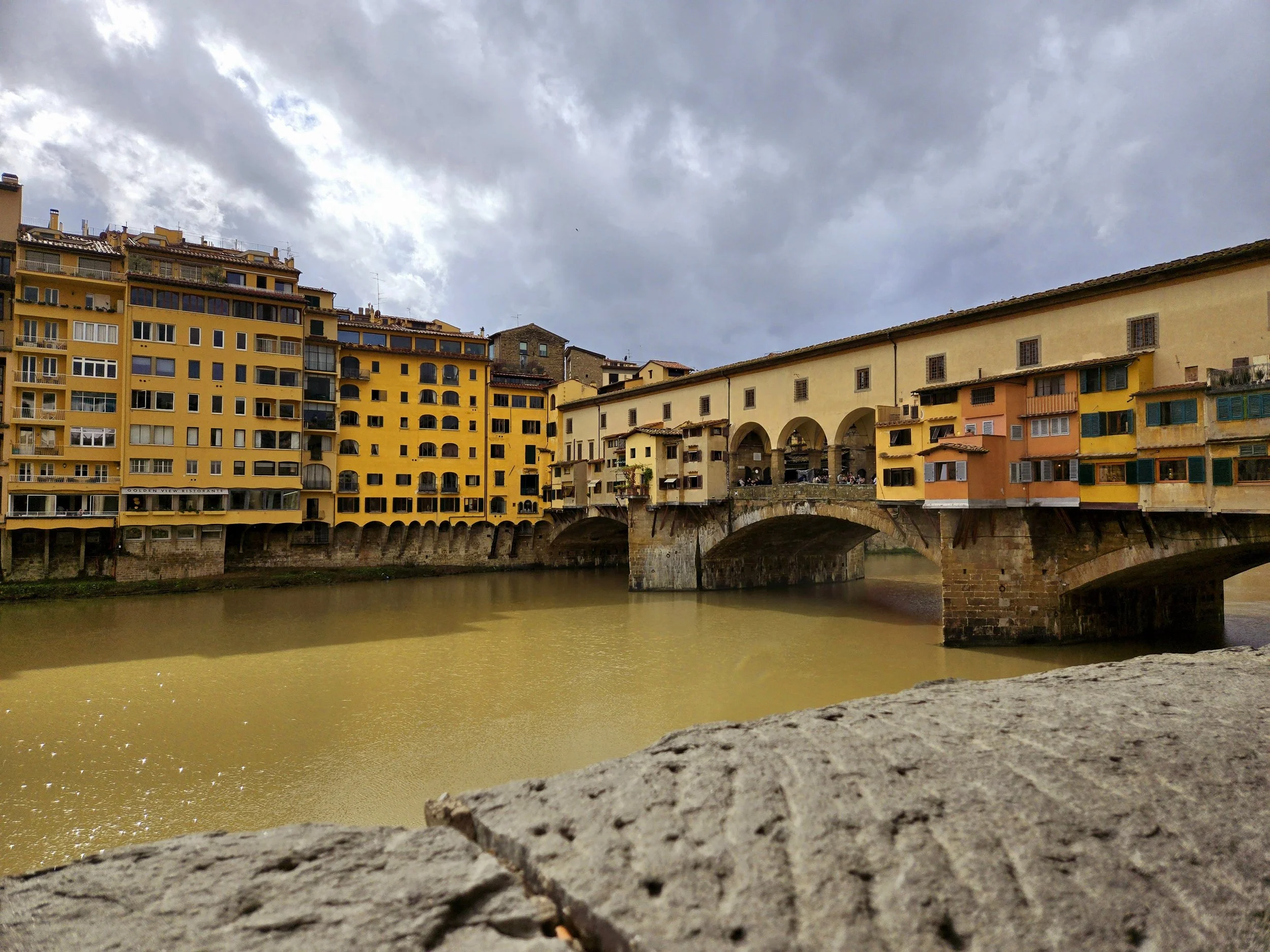
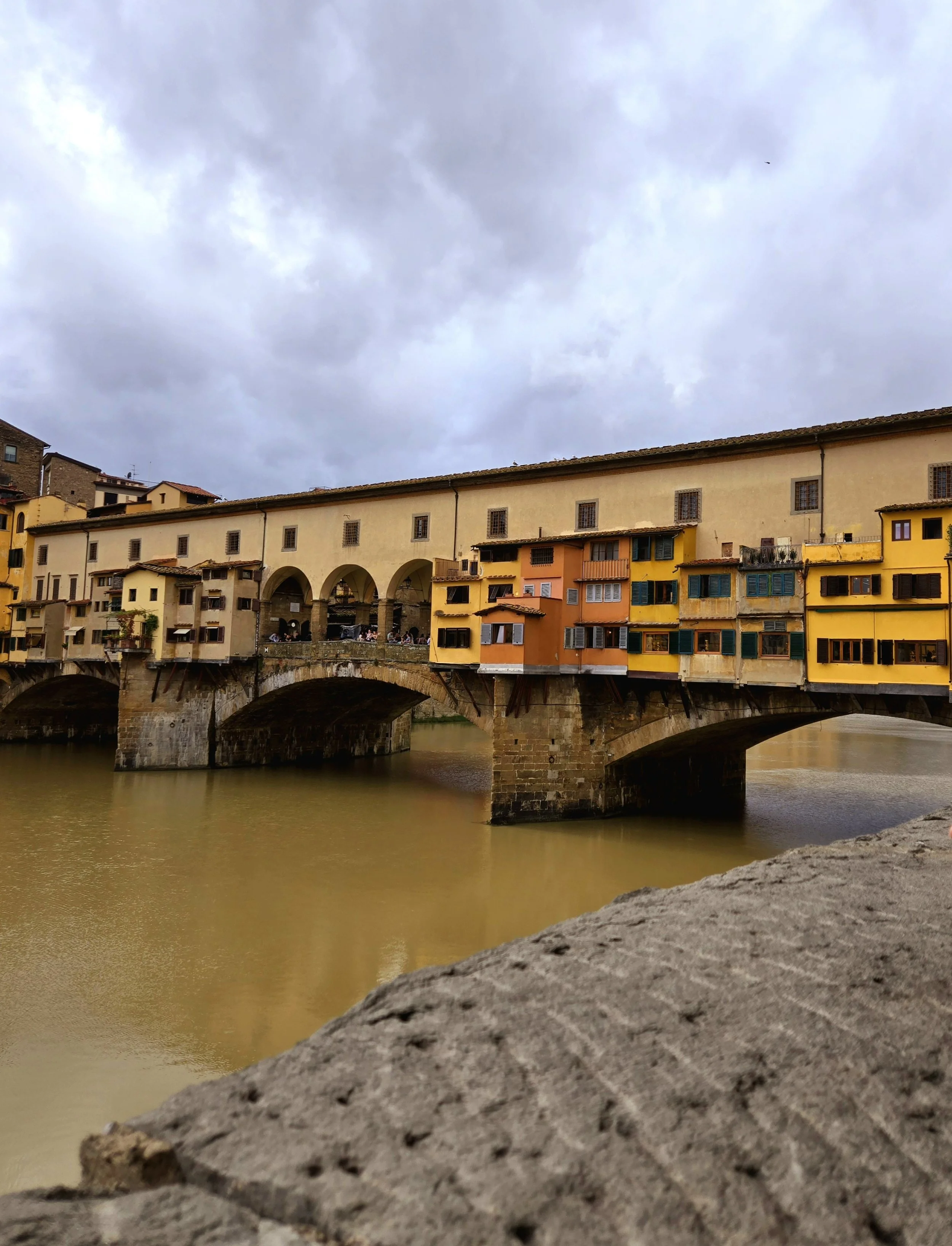
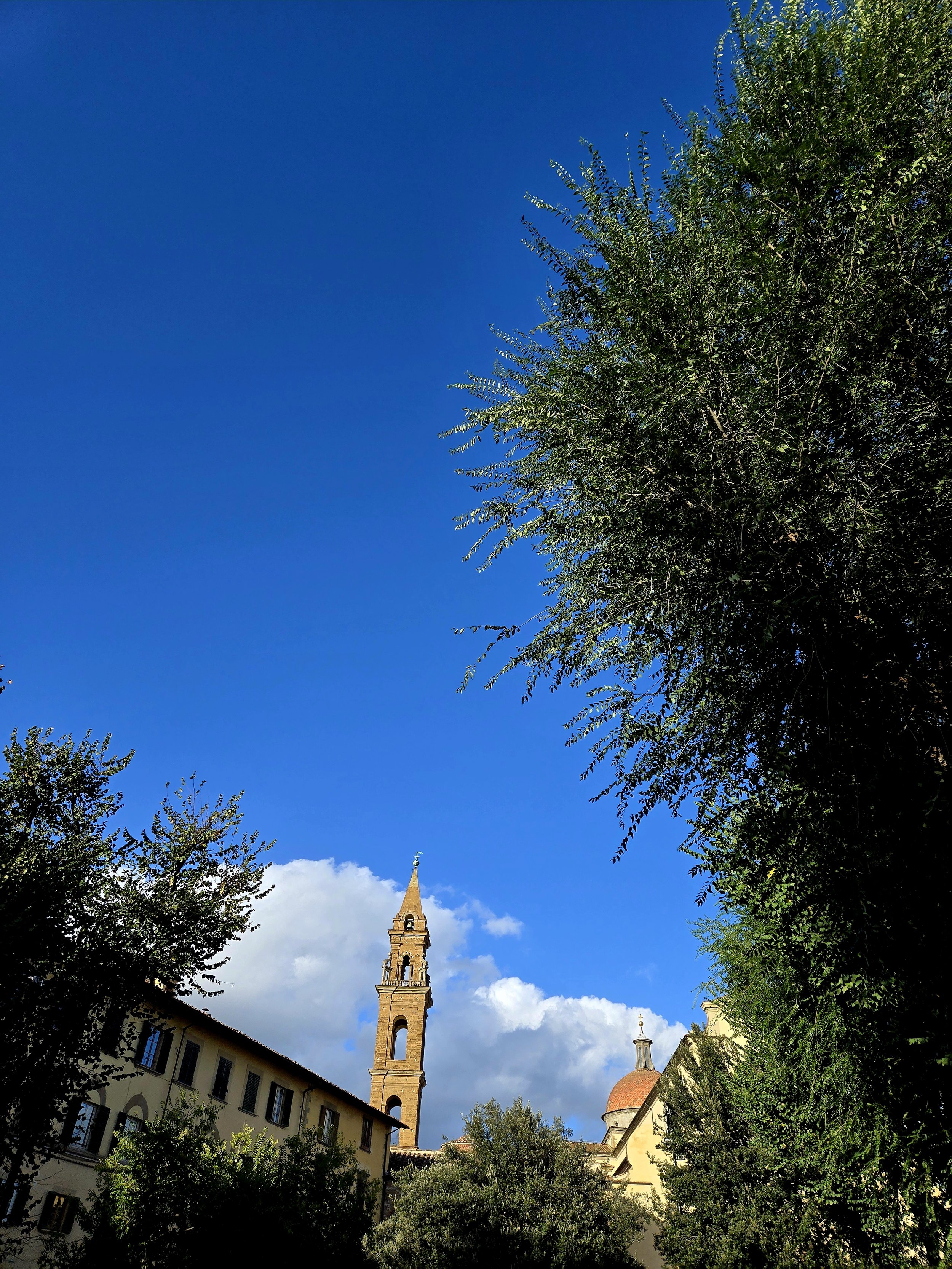
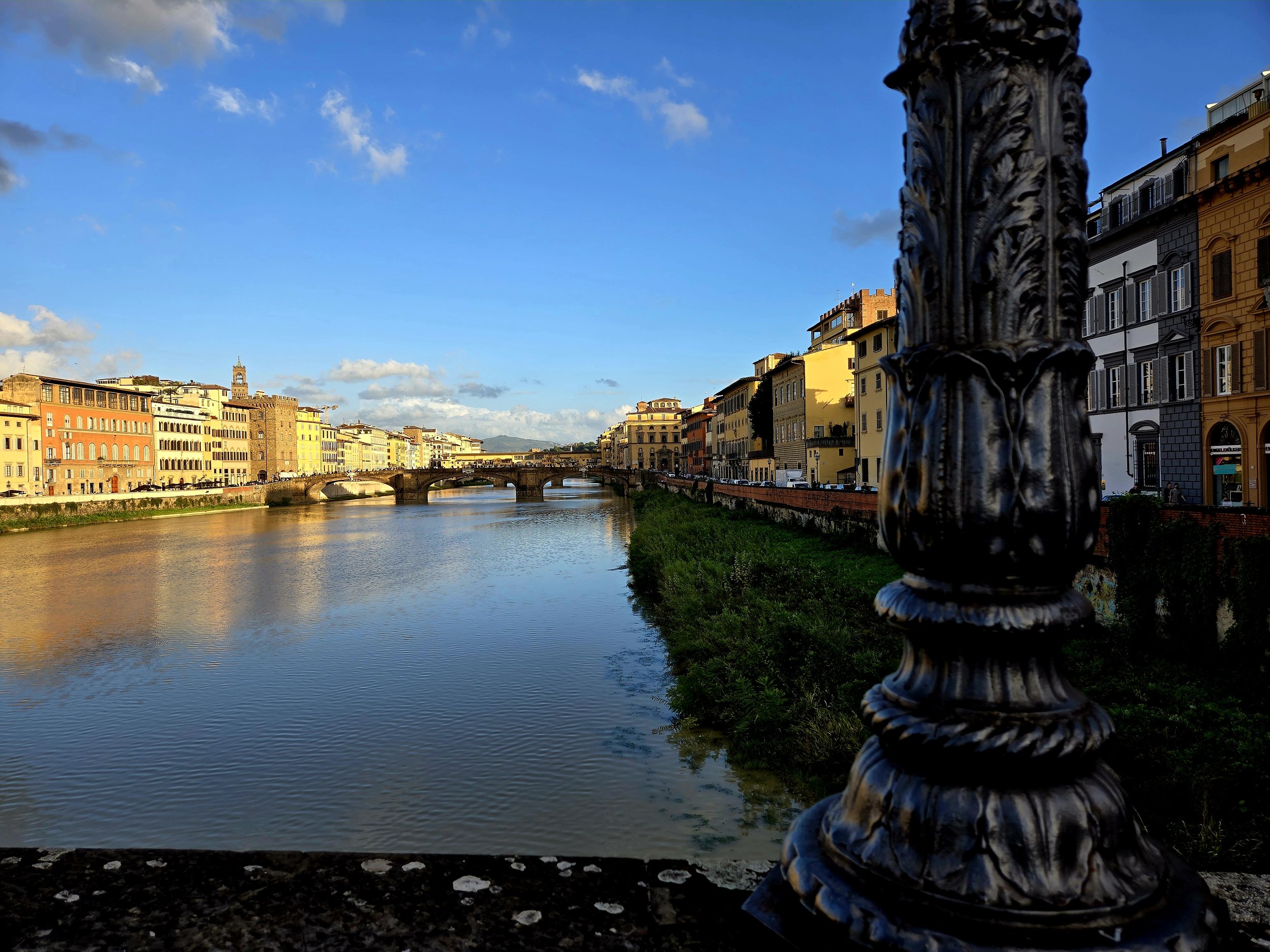
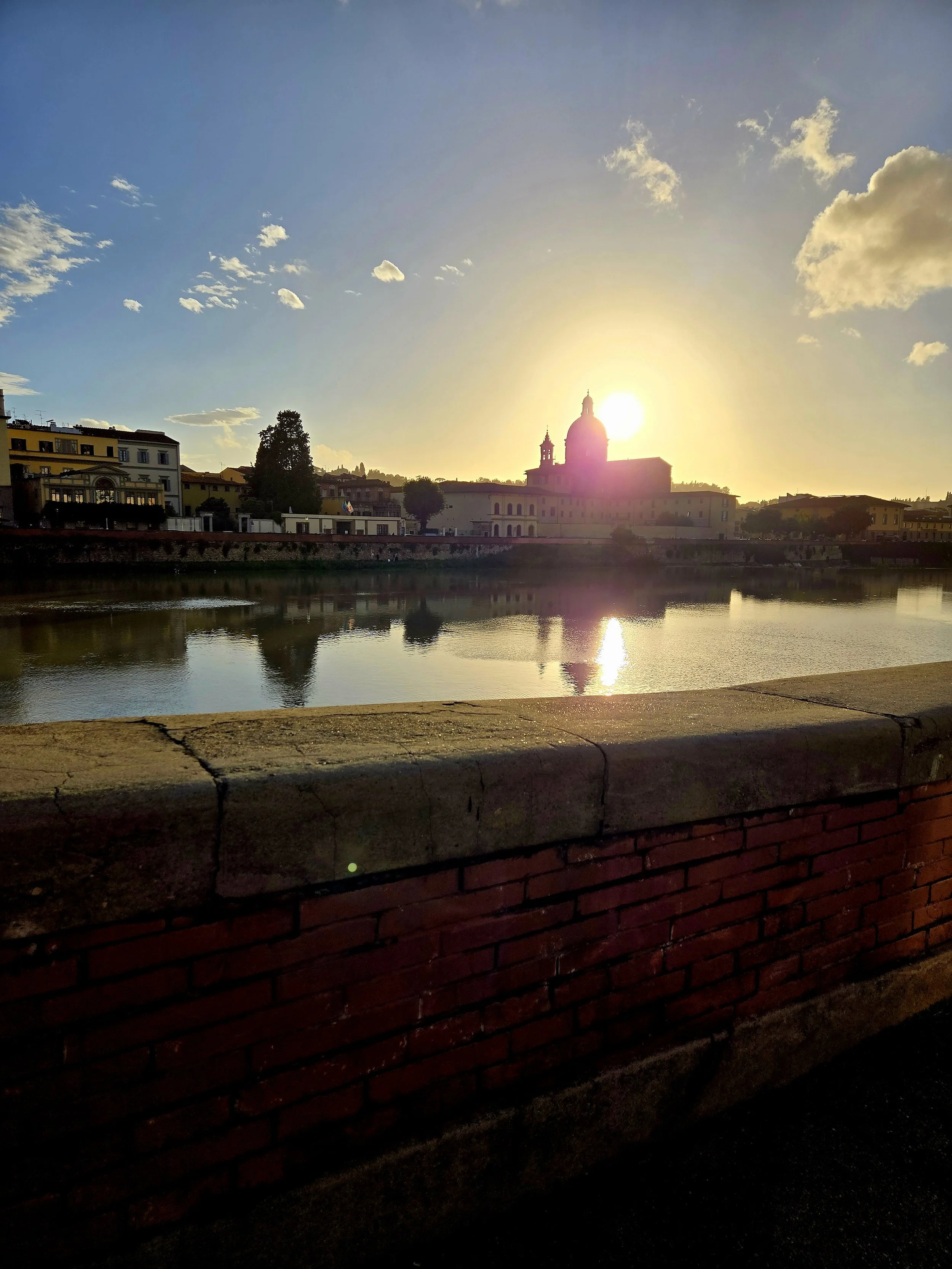
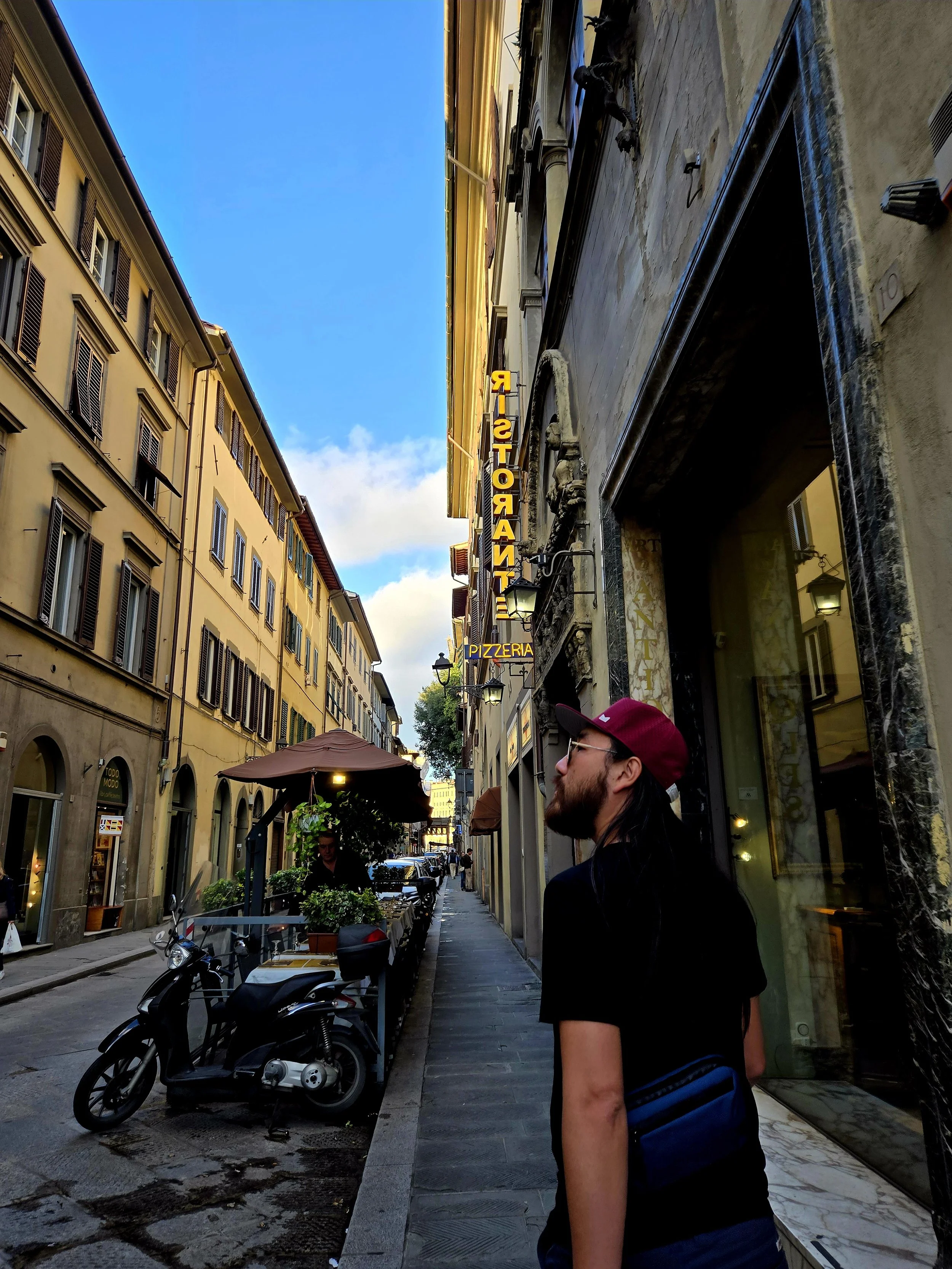
Florence is extremely crowded and touristy, but the architecture at the Cathedral of Santa Maria del Fiore is absolutely exceptional
We didn’t visit Florence for too long as the crowds were a major deterrent
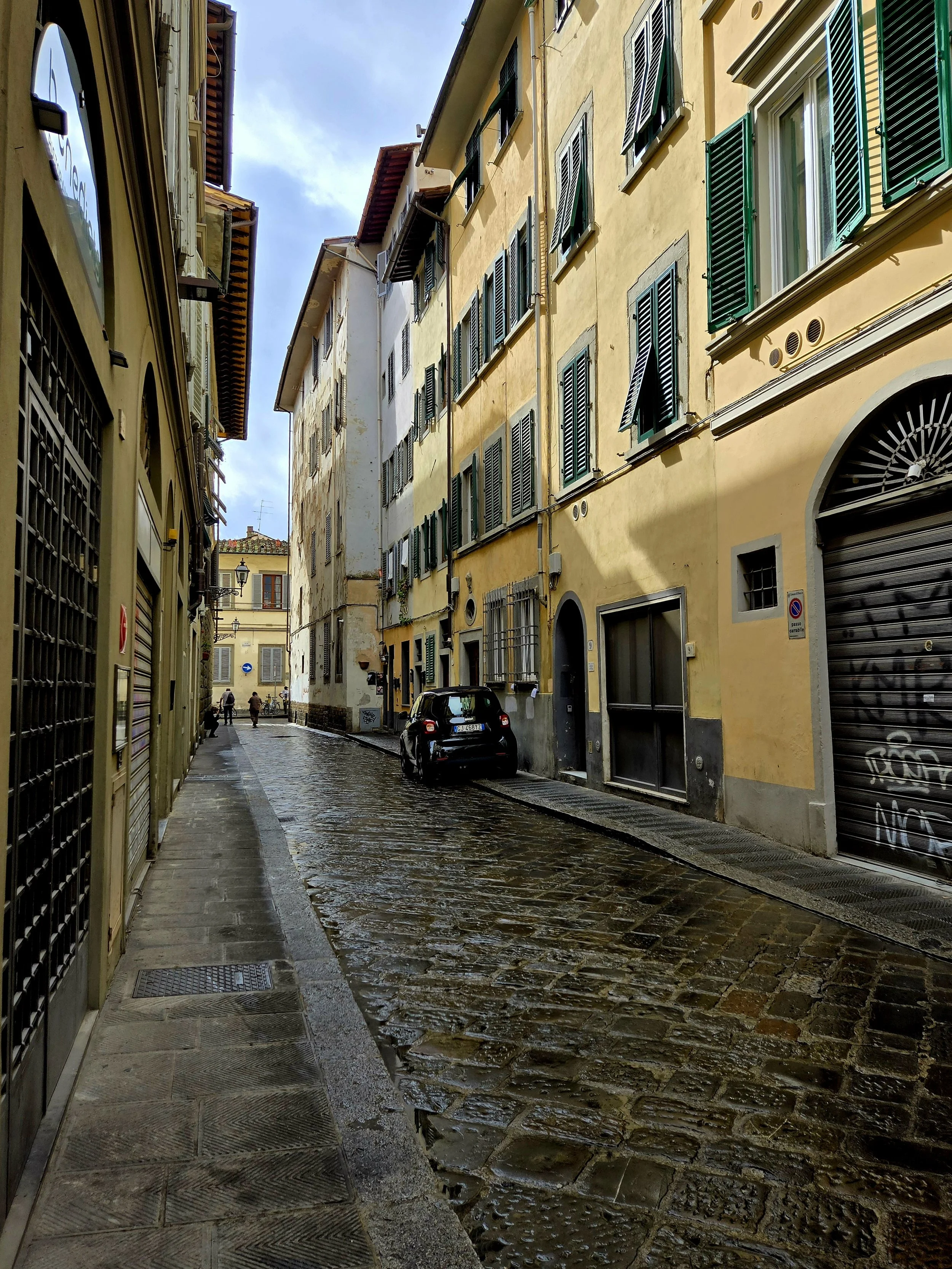
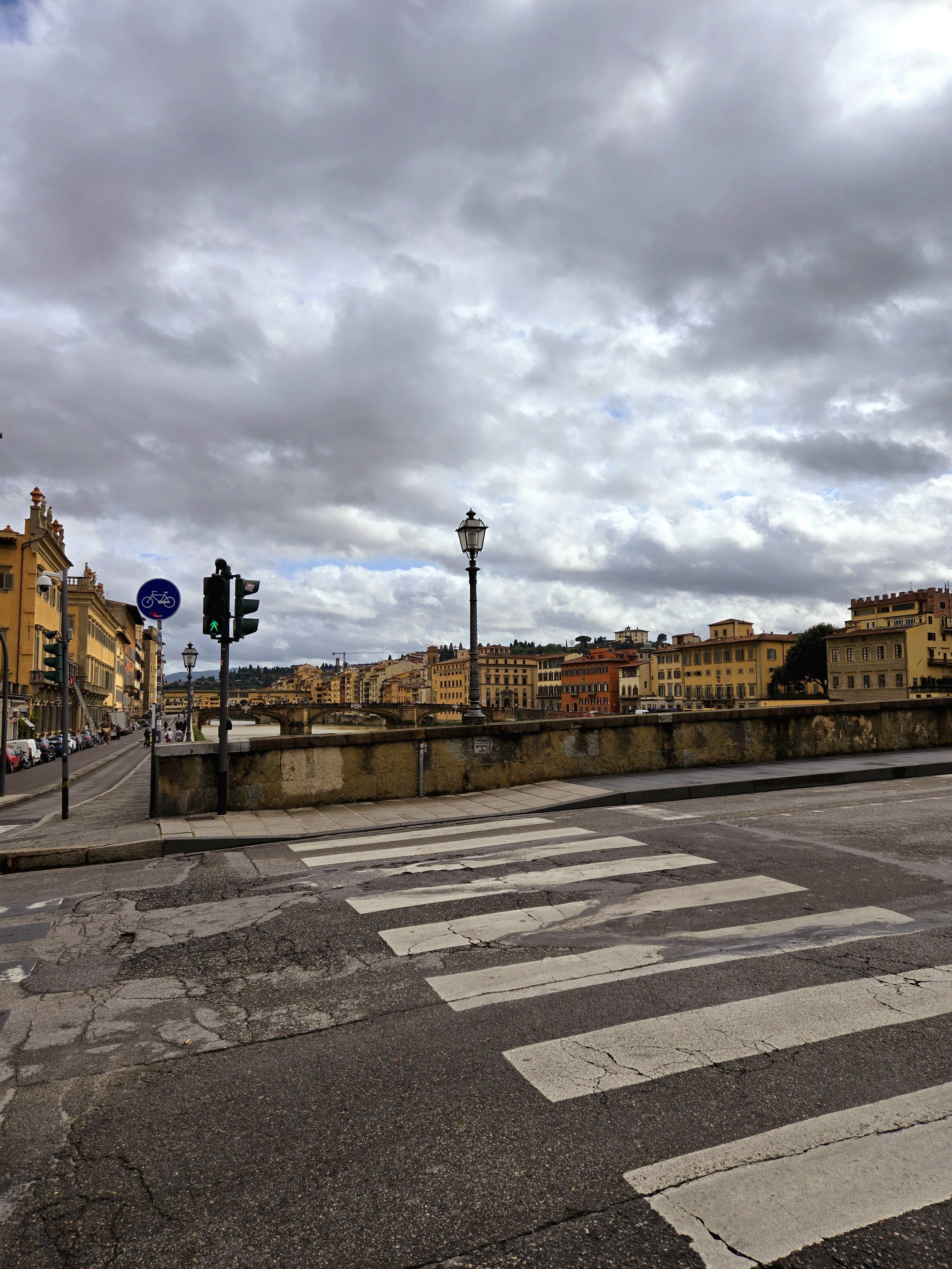
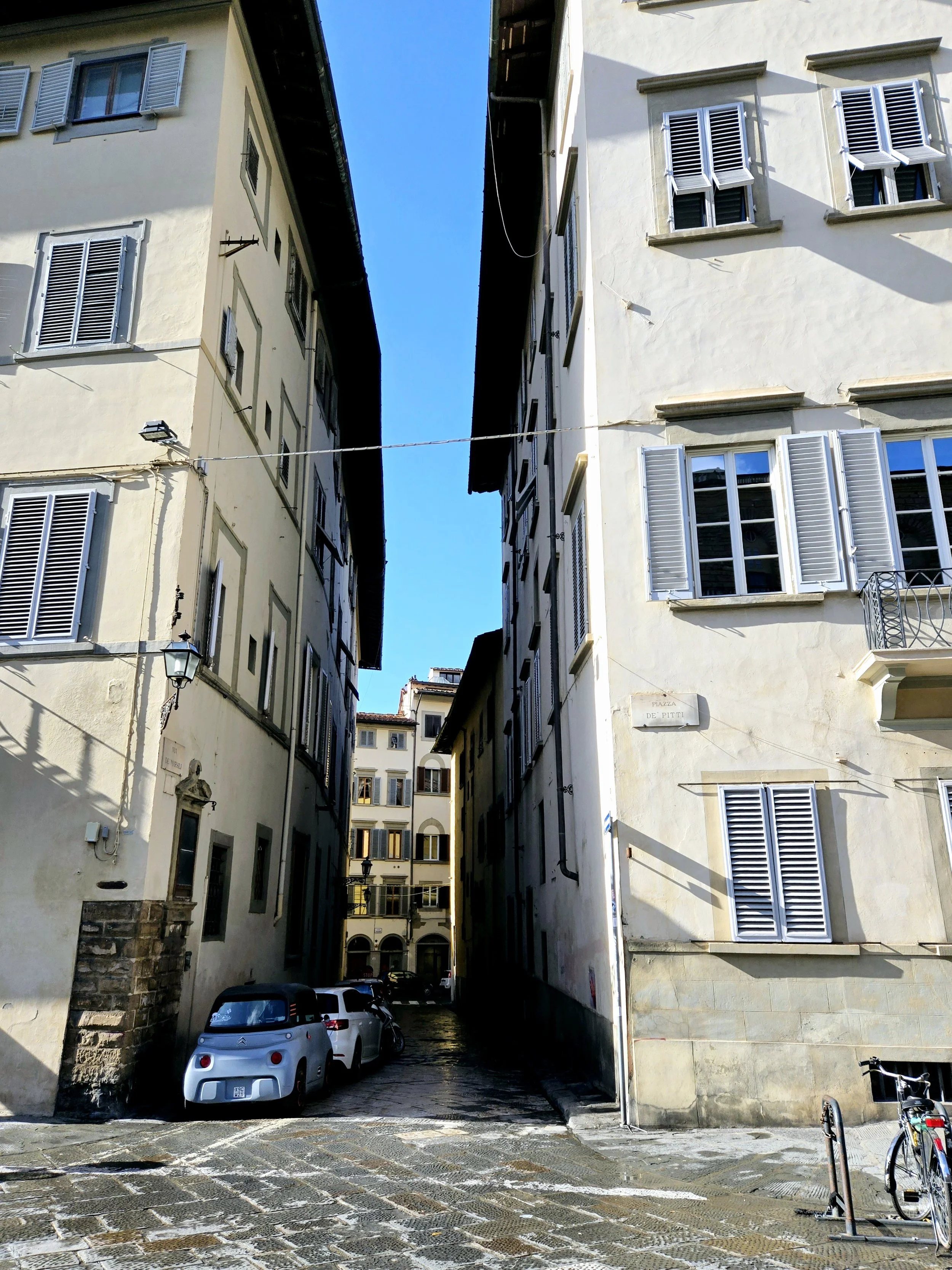
Extensive neighborhood research and routes are advised—we felt that we would need to revisit Florence to have a better experience
There are unique shops and restaurants that are worth visiting, but ultimately it felt very catered to tourists, not travelers
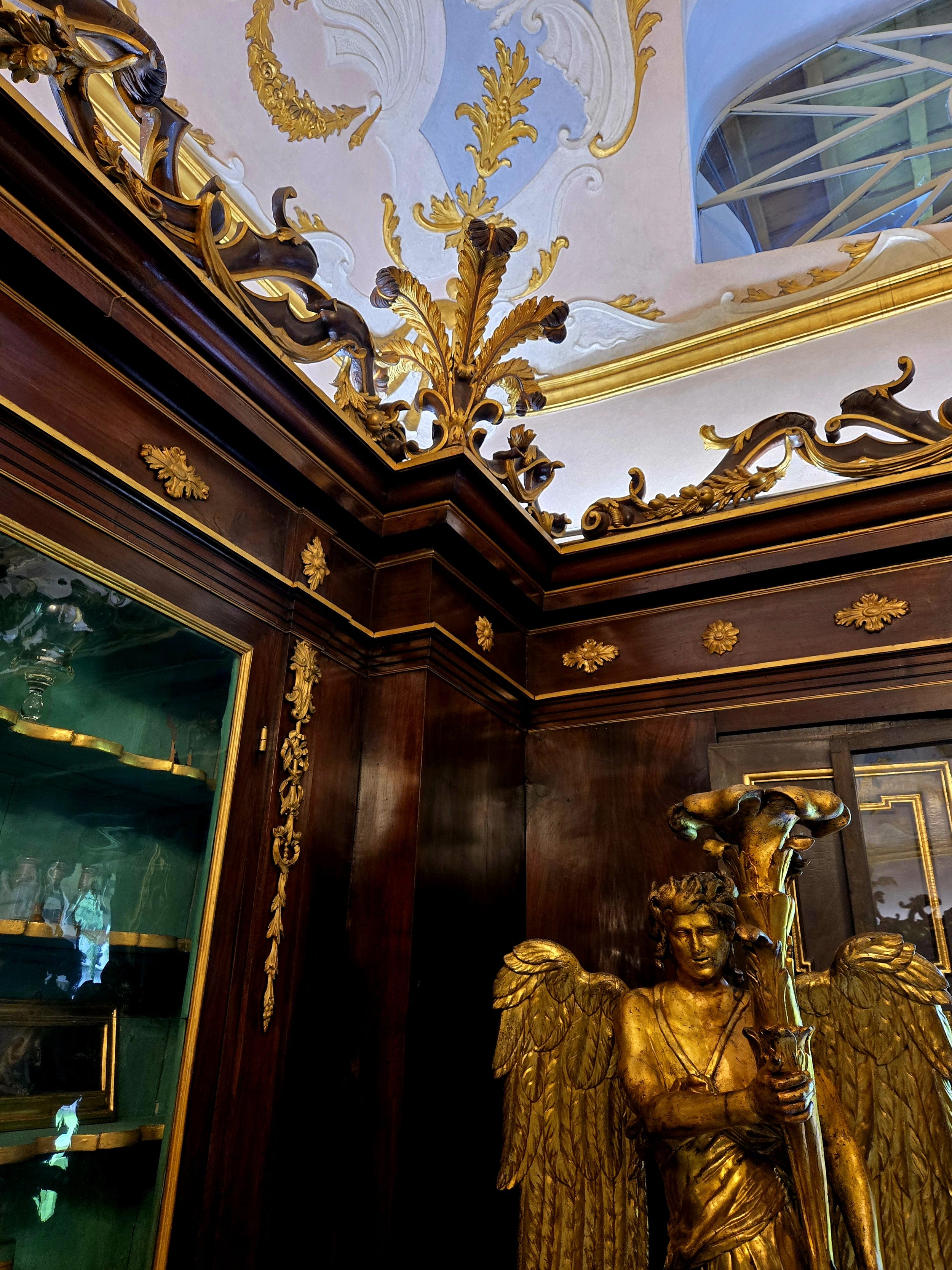
La Specola Zoological Museum is an extremely memorable experience
It’s an anatomical wax collection of taxidermied animals, some of which are extinct
It houses a world-renowned collection of rare minerals and crystals, originally owned by the famous Medici family that ruled Florence
Several generations over centuries accumulated a massive private cache of rare crystals, raw minerals, fossils, and exotic animals
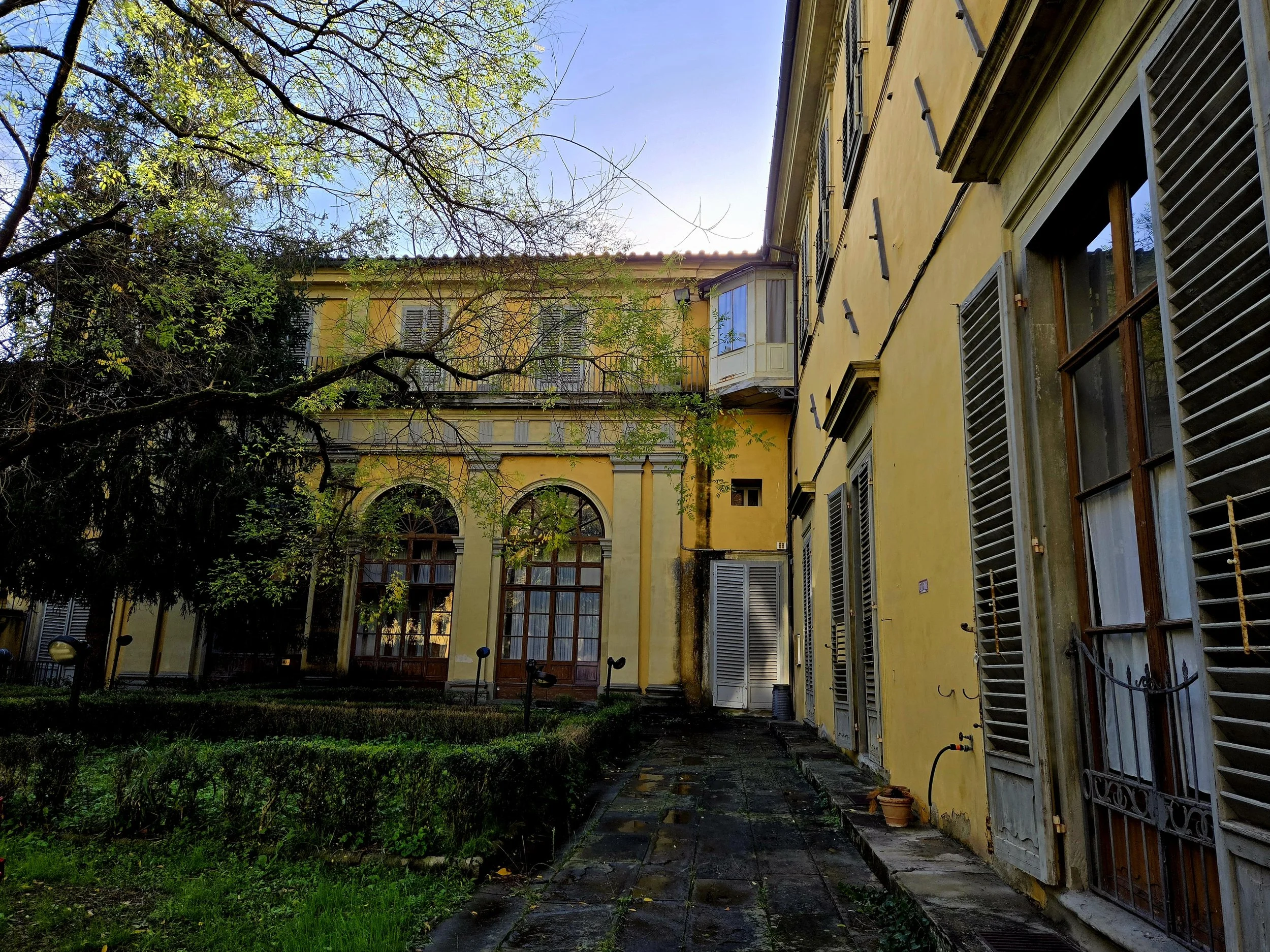
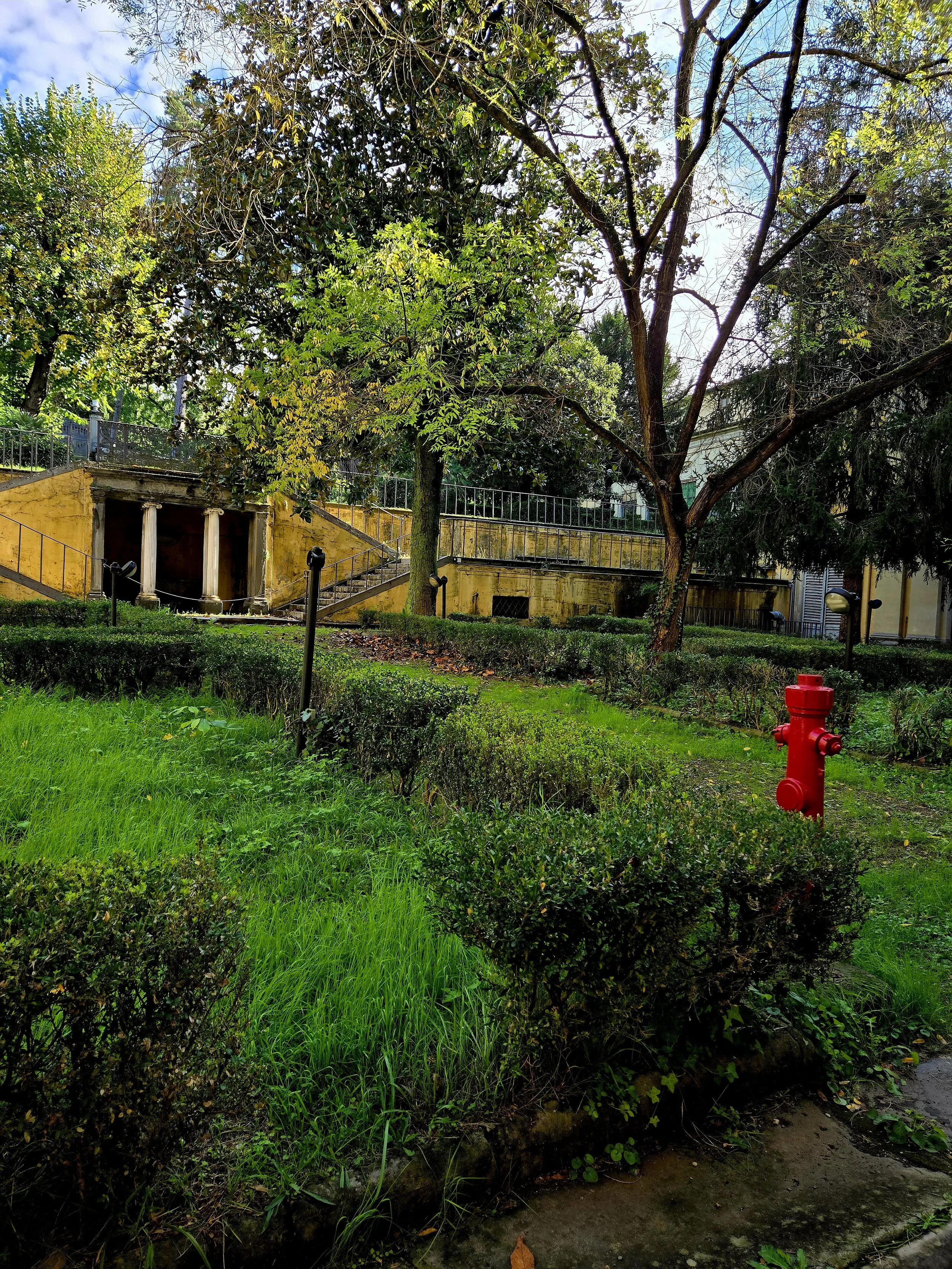
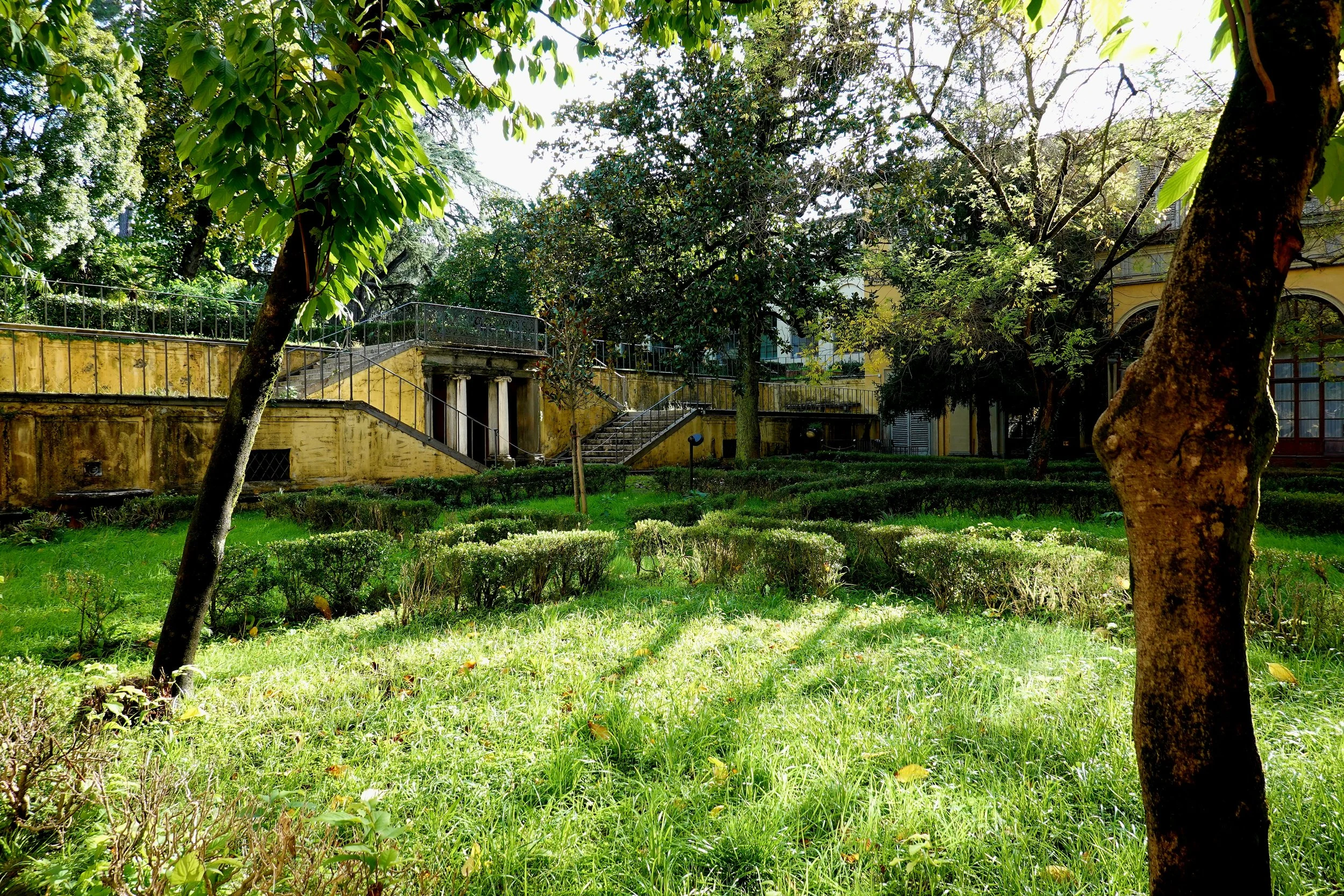
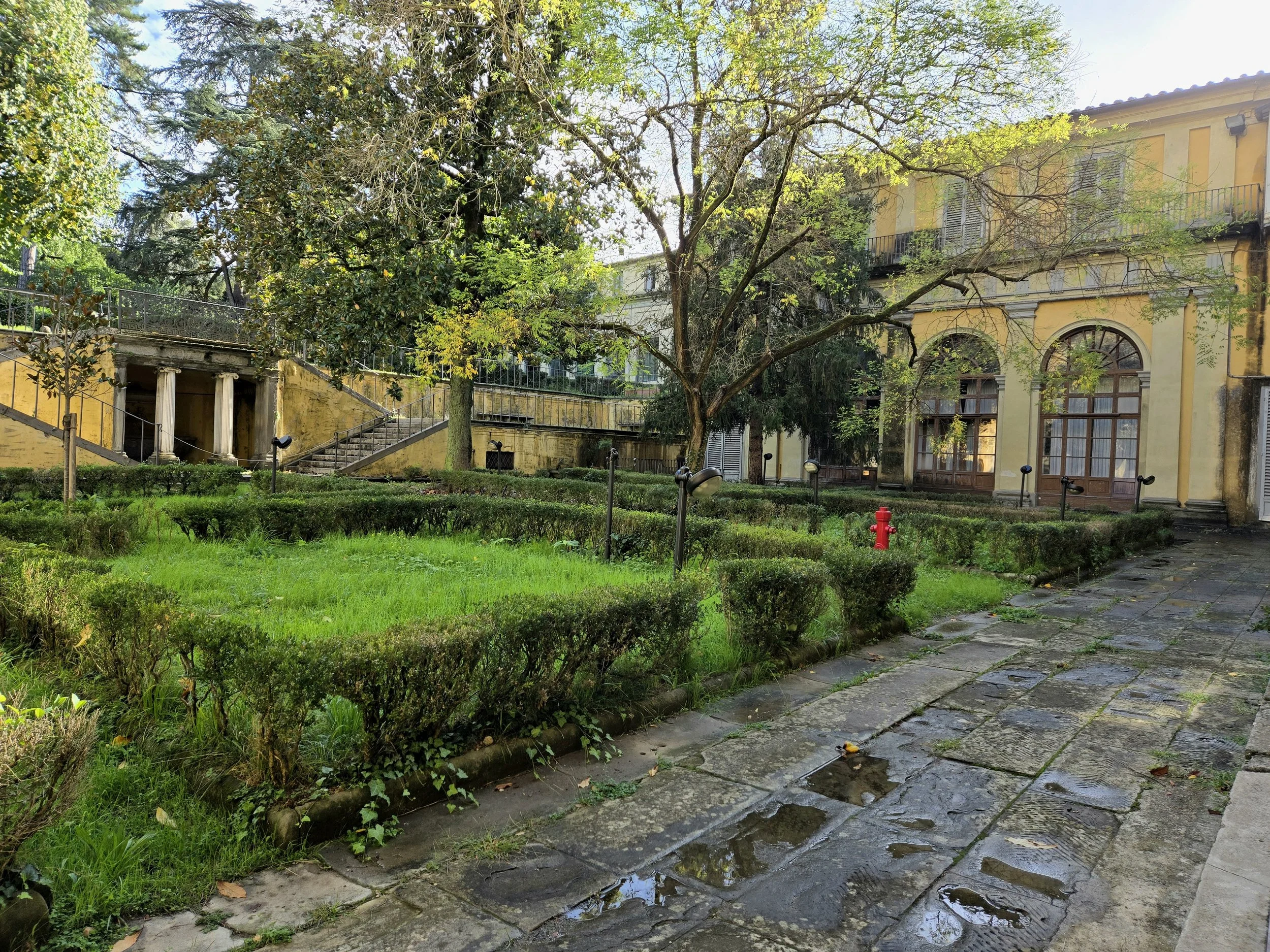
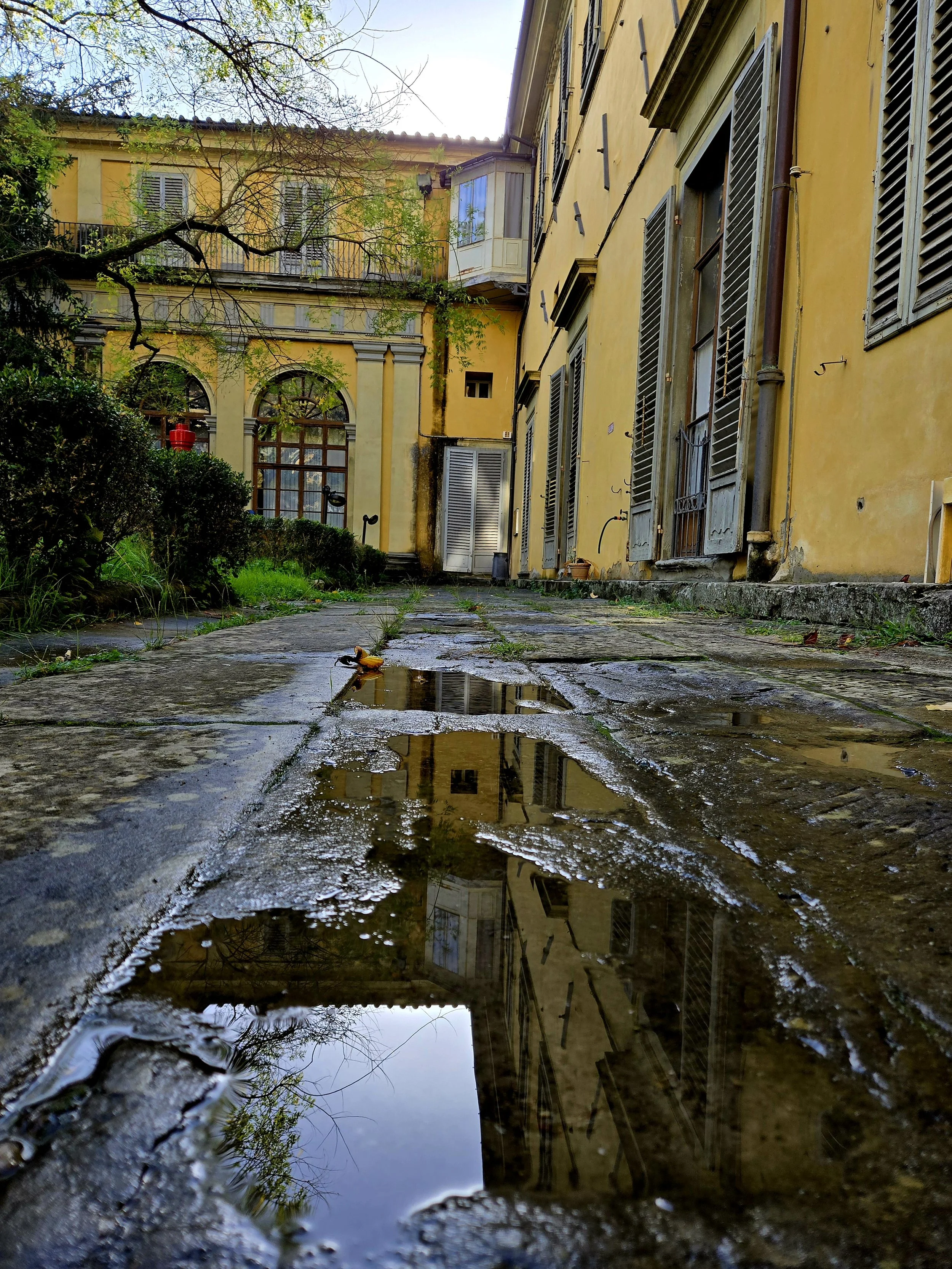
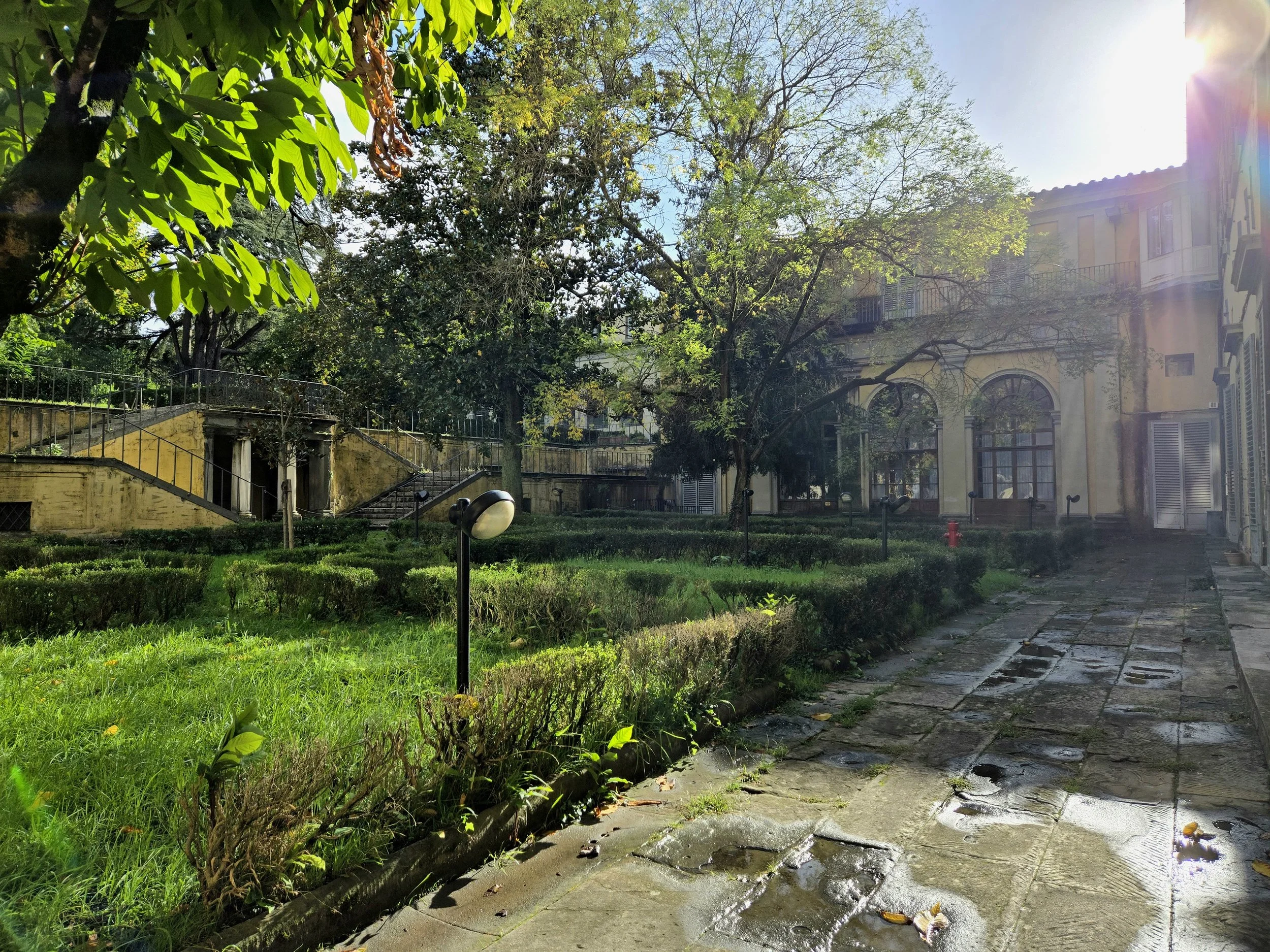
There’s a little outdoor garden on site that is nice to walk through
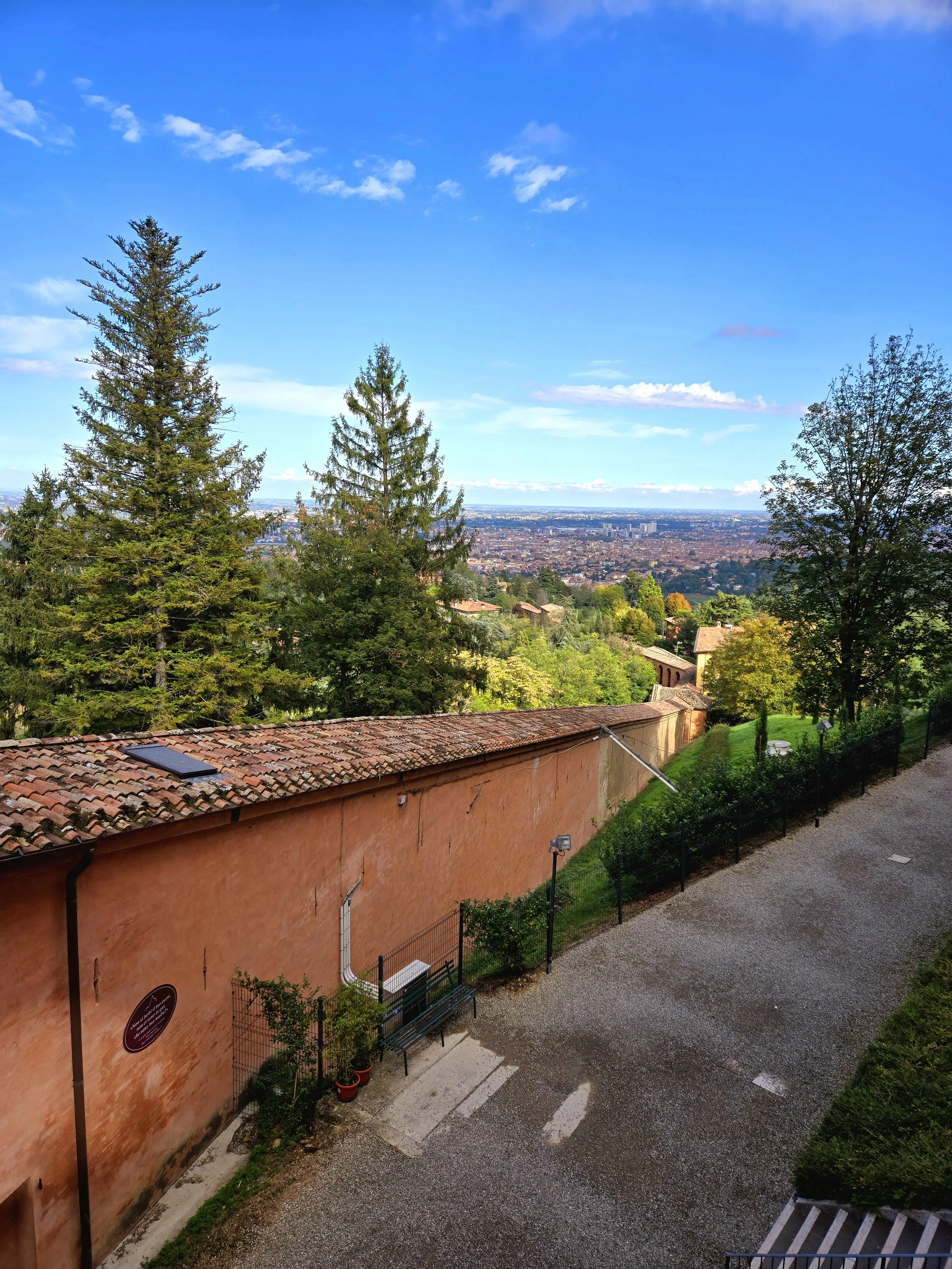
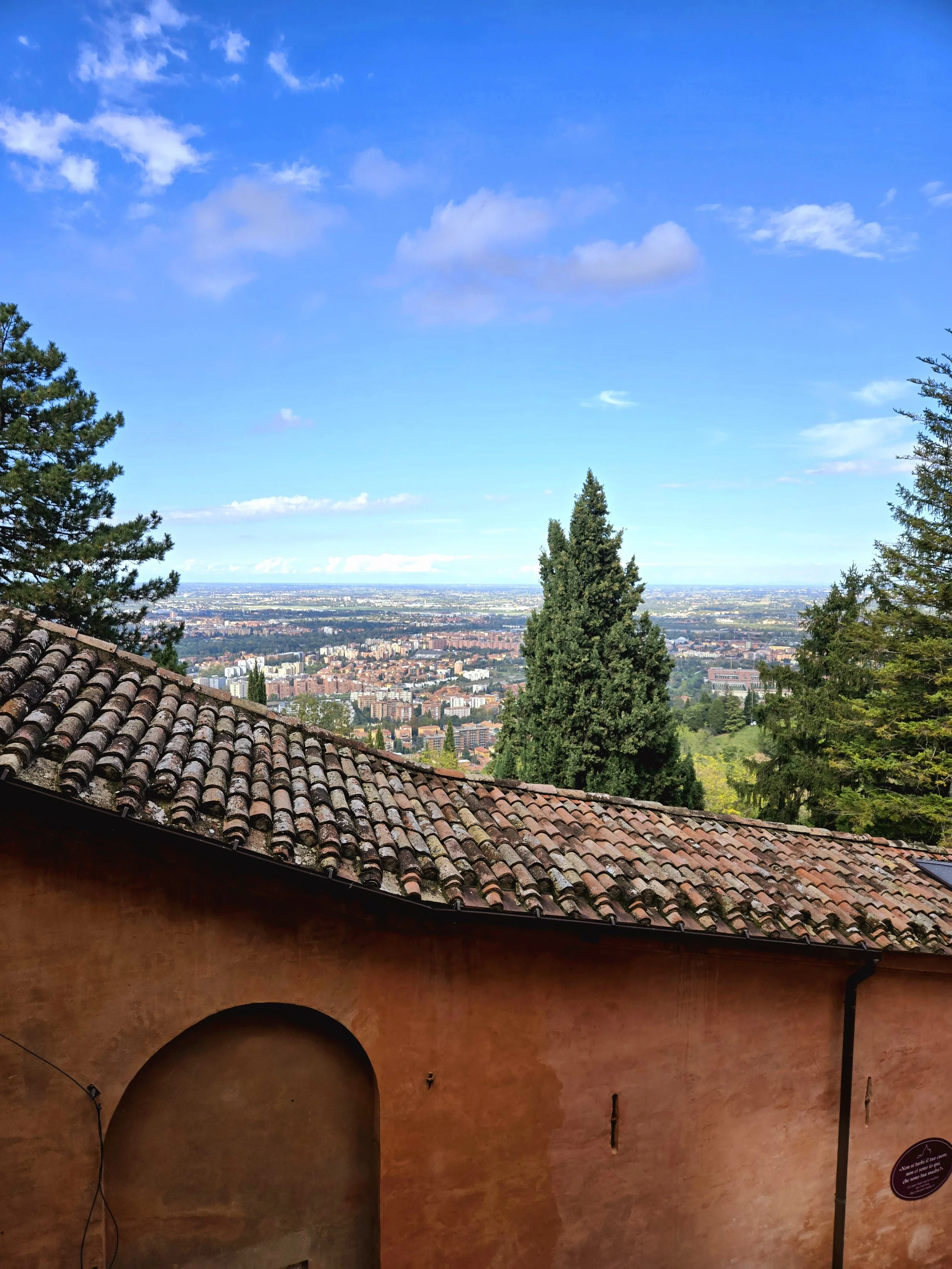
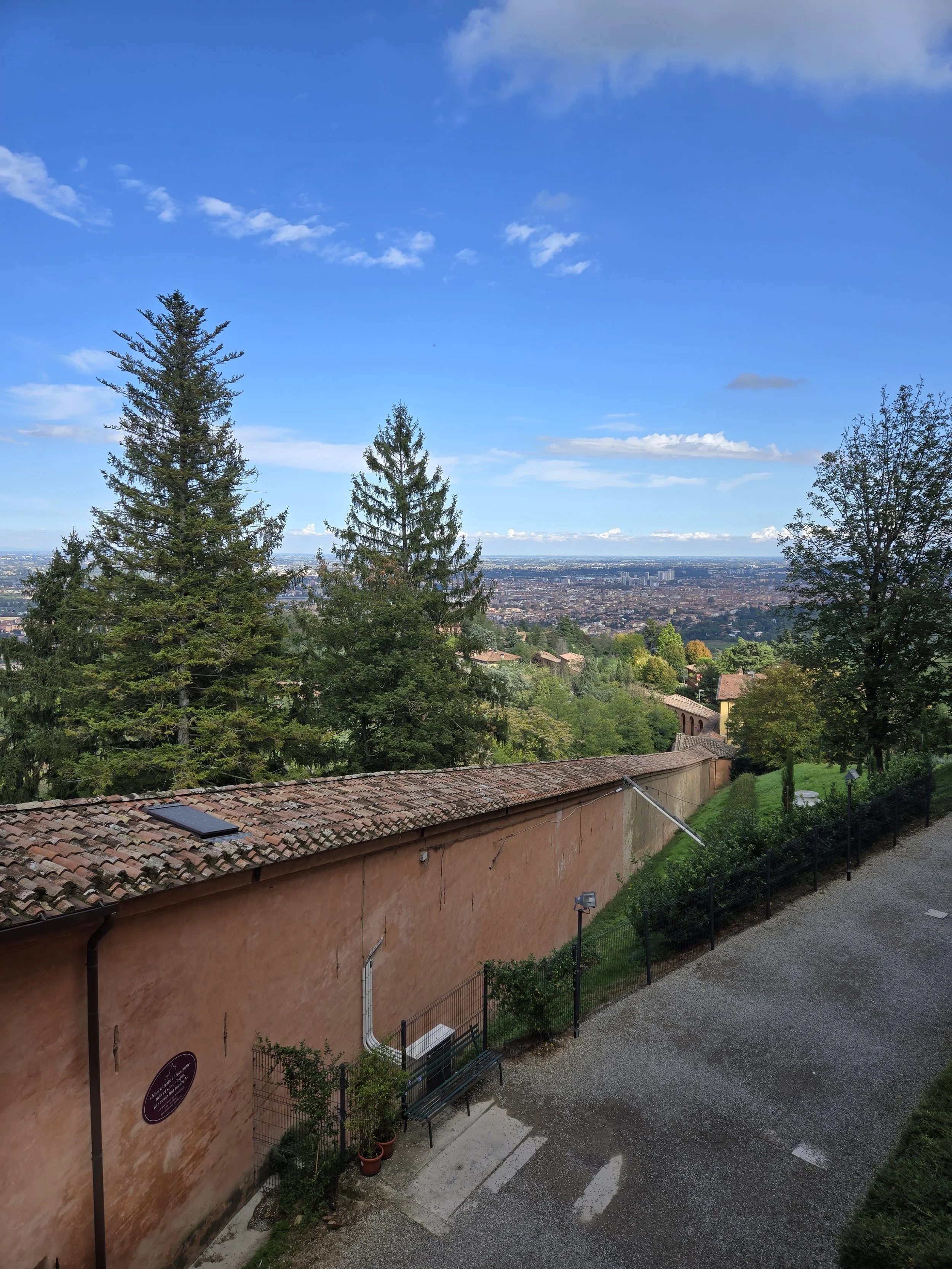
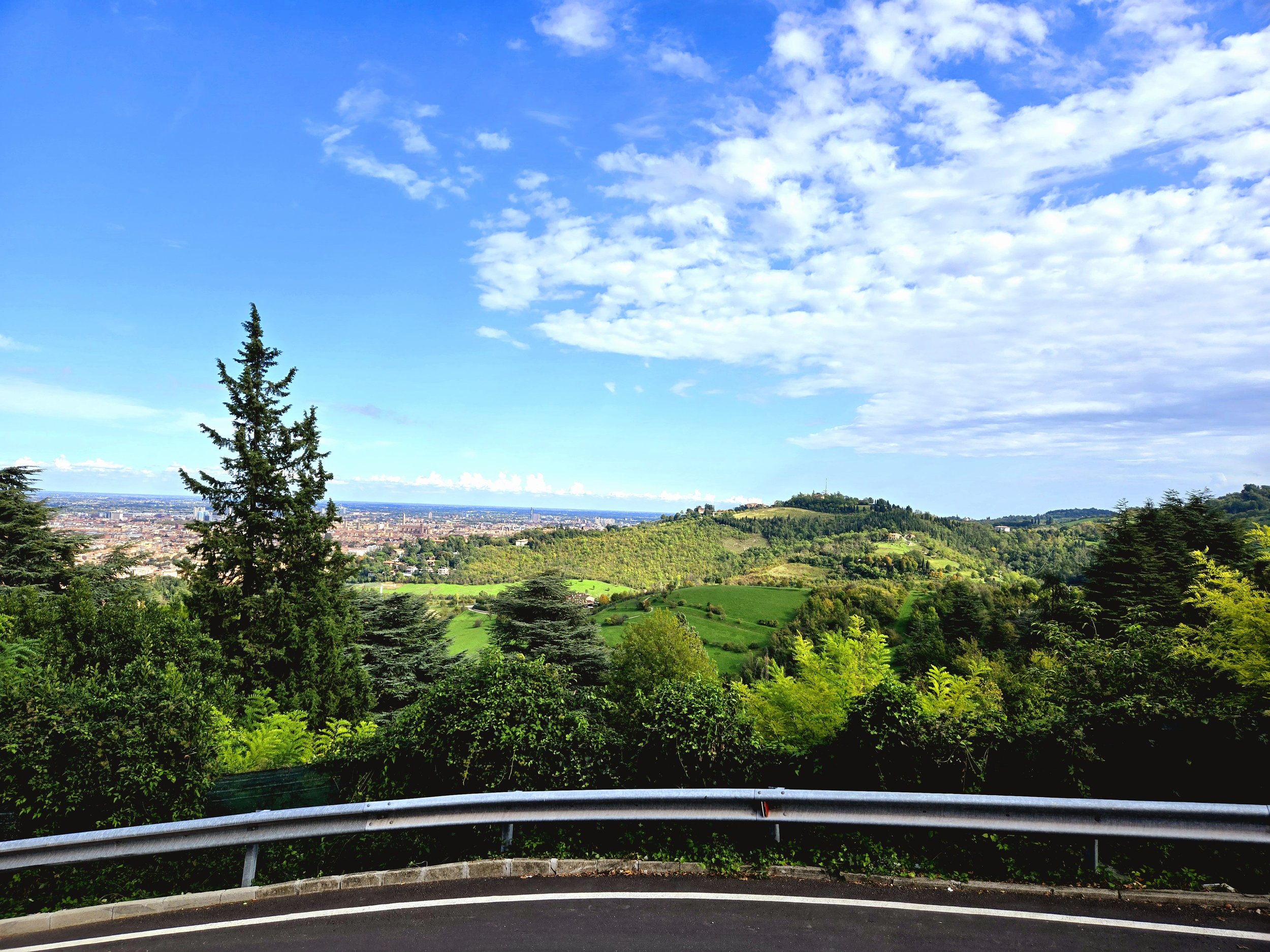
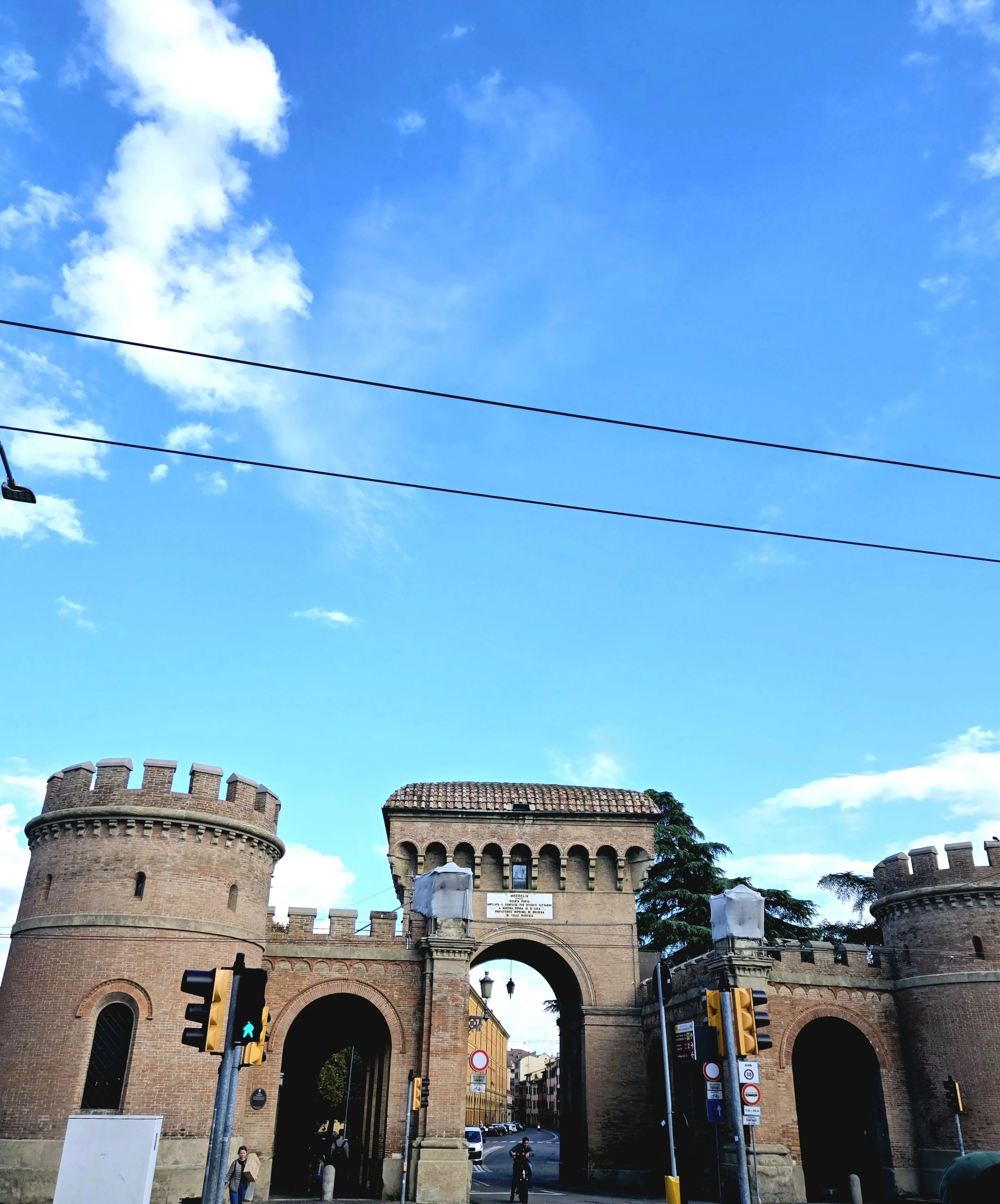
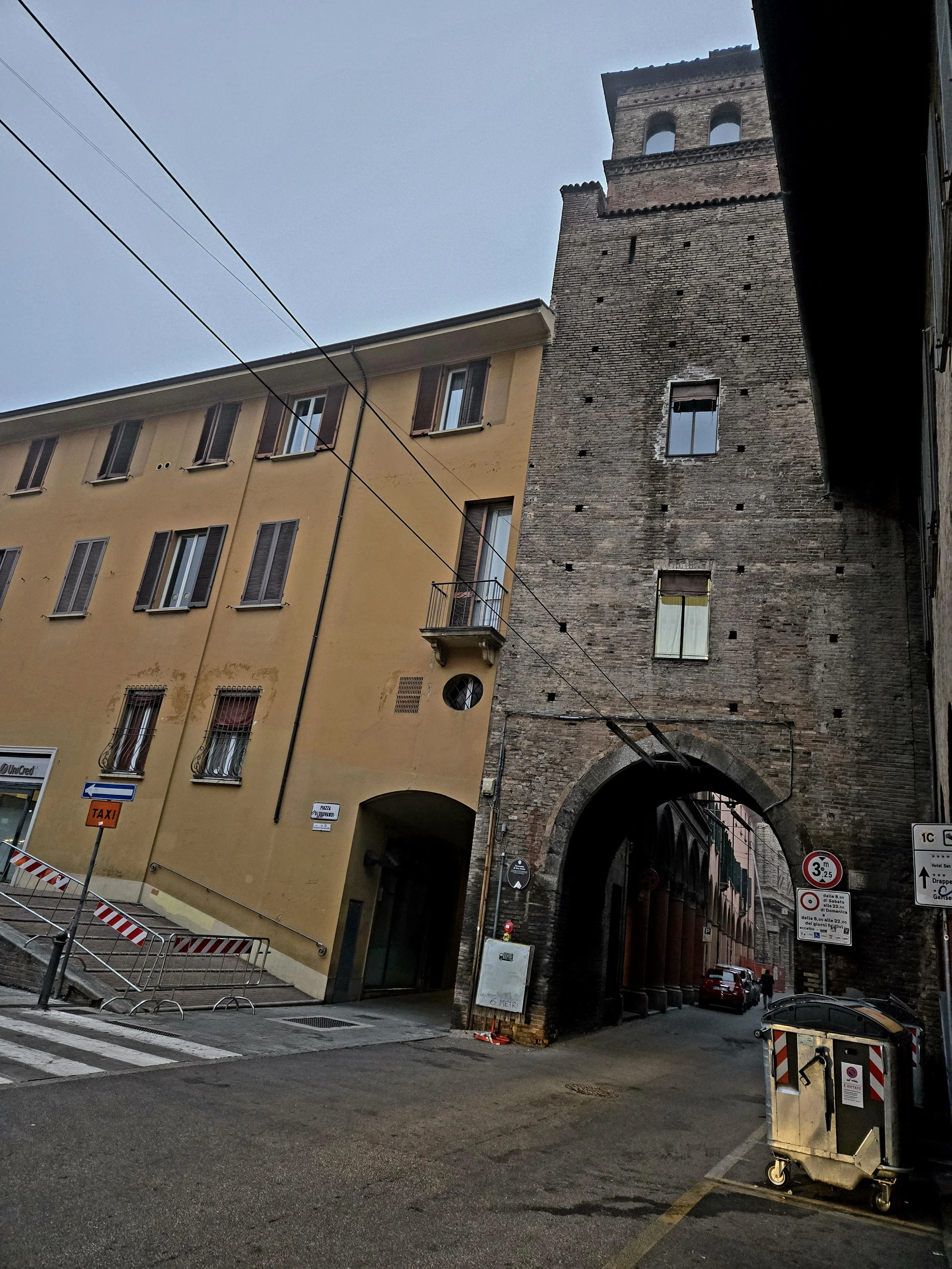
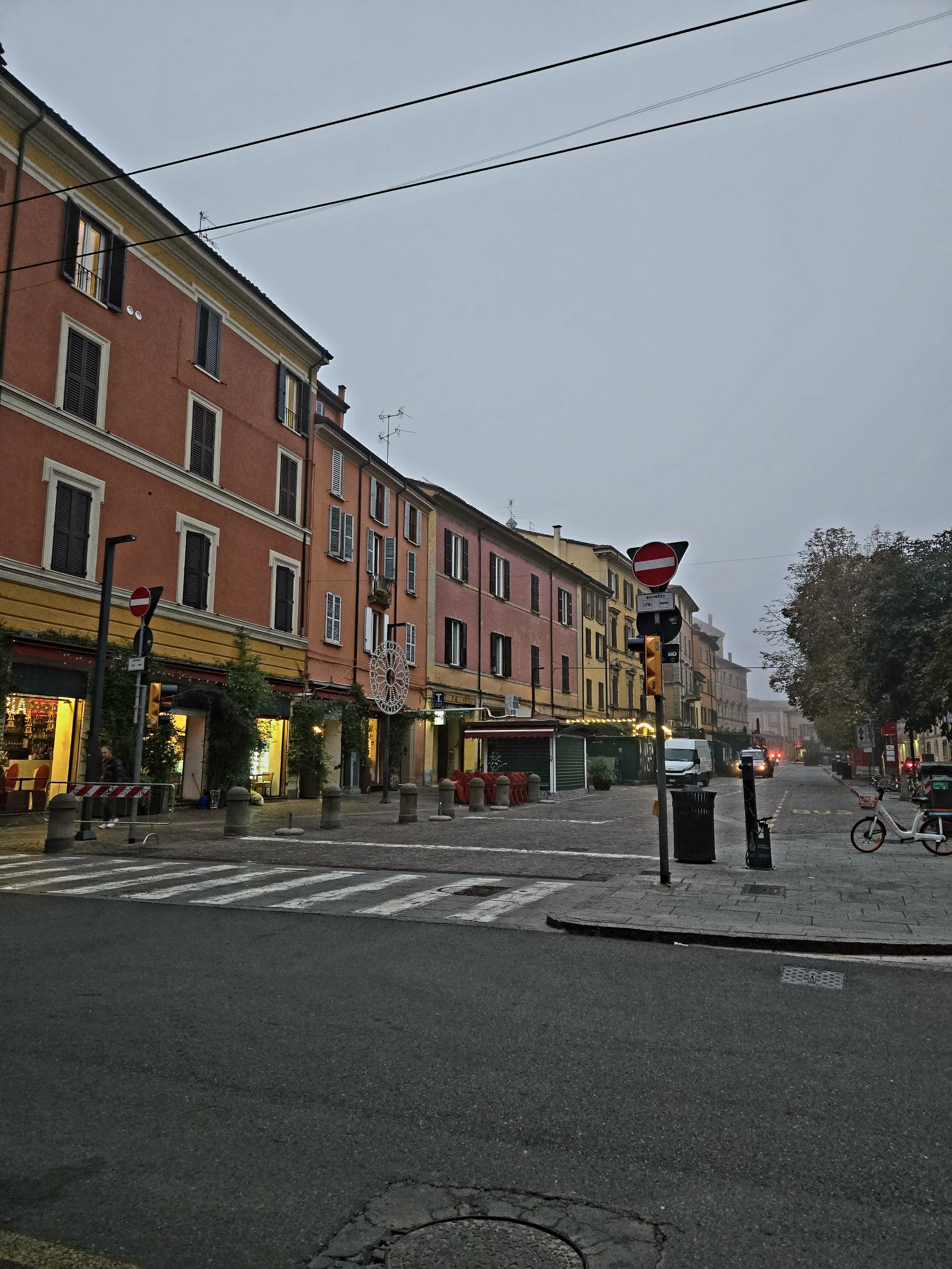
Bologna
About
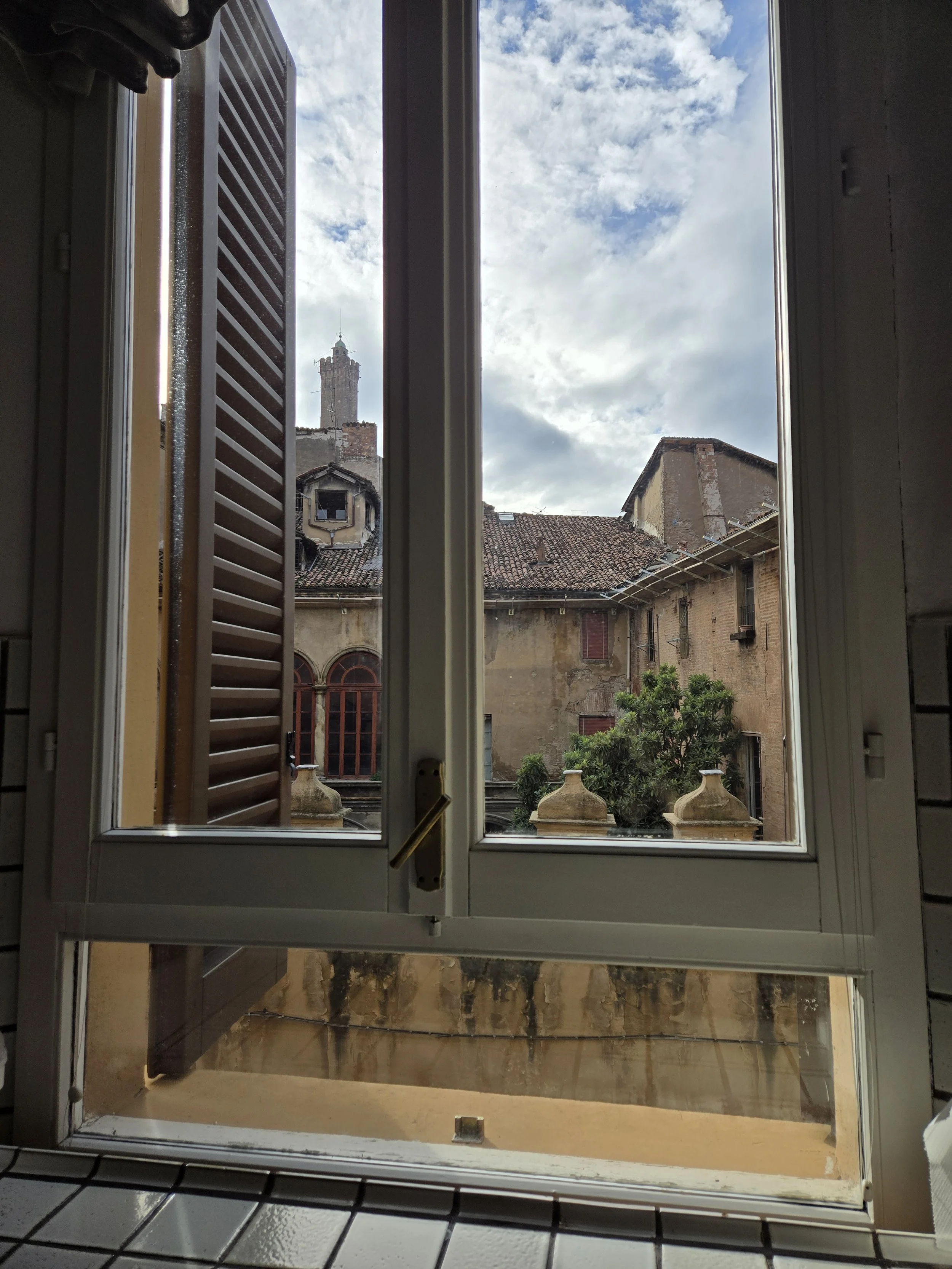
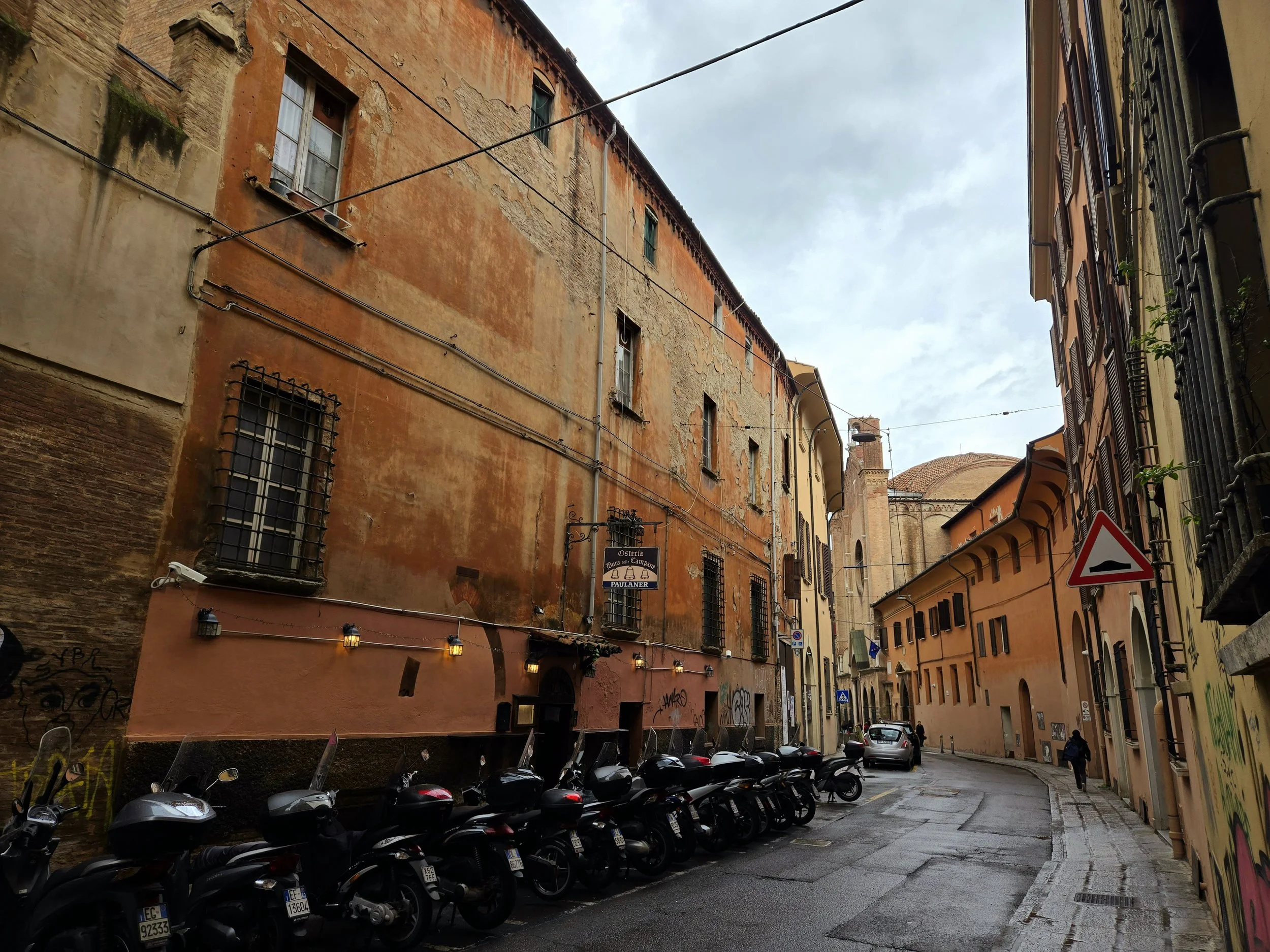
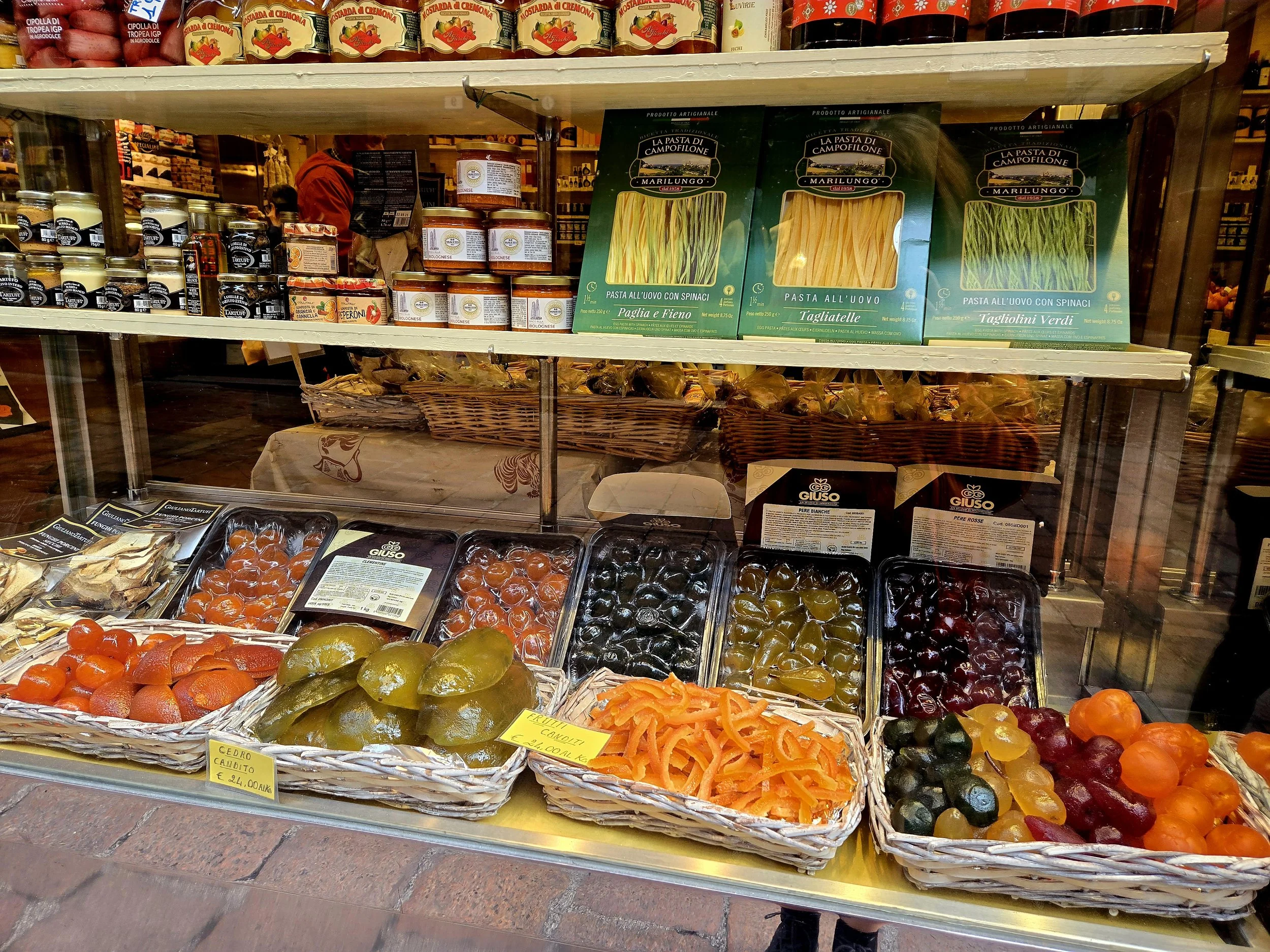
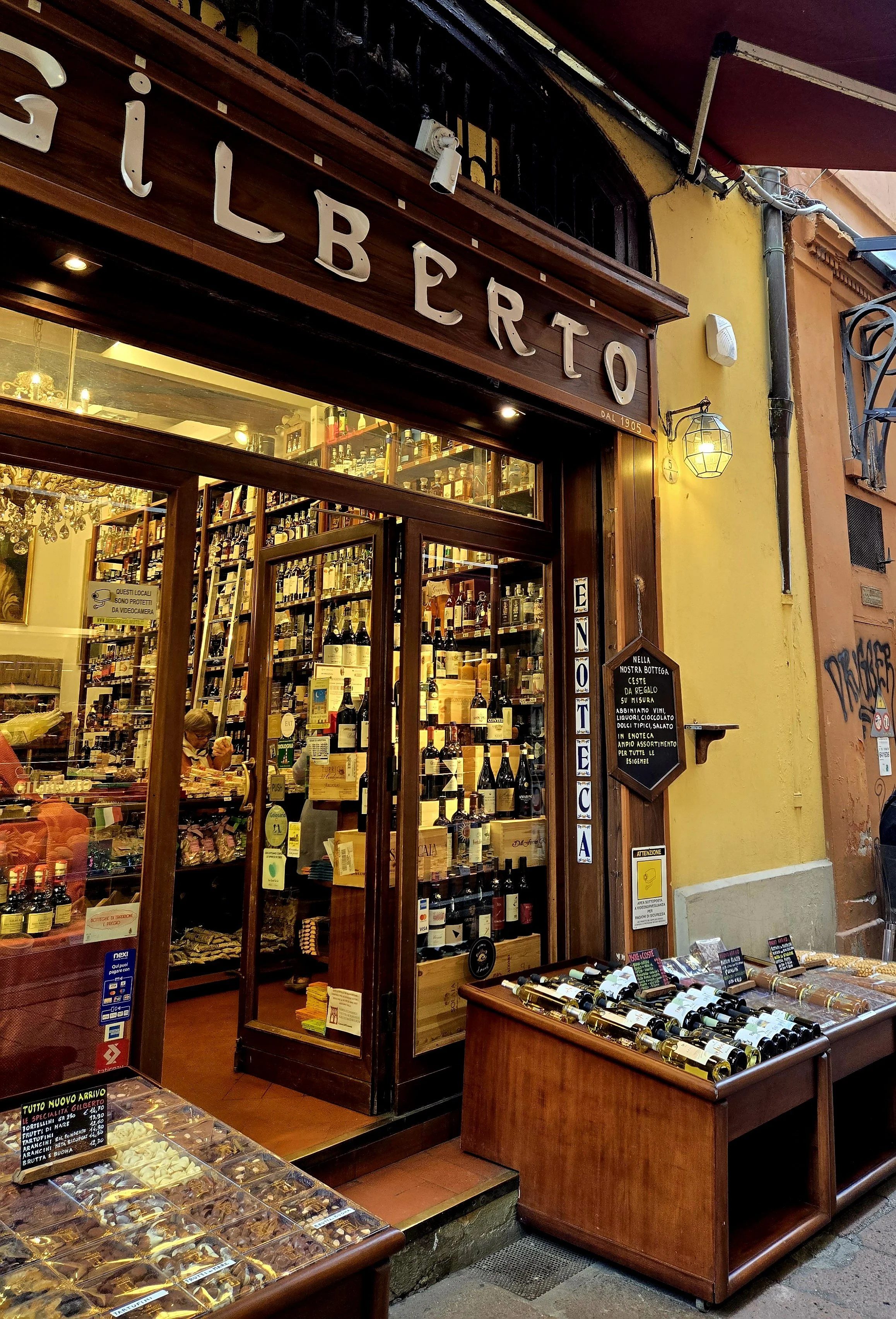
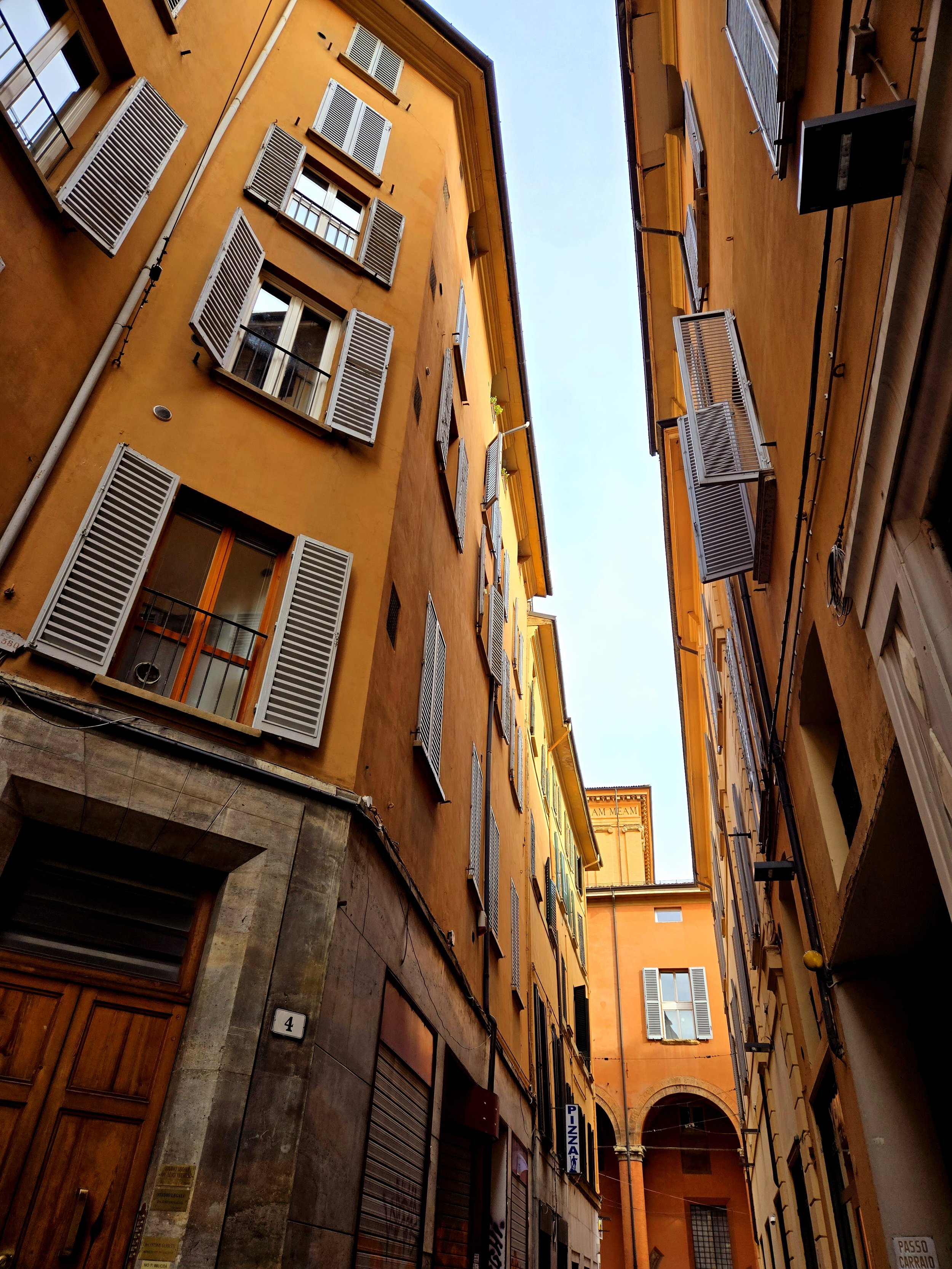
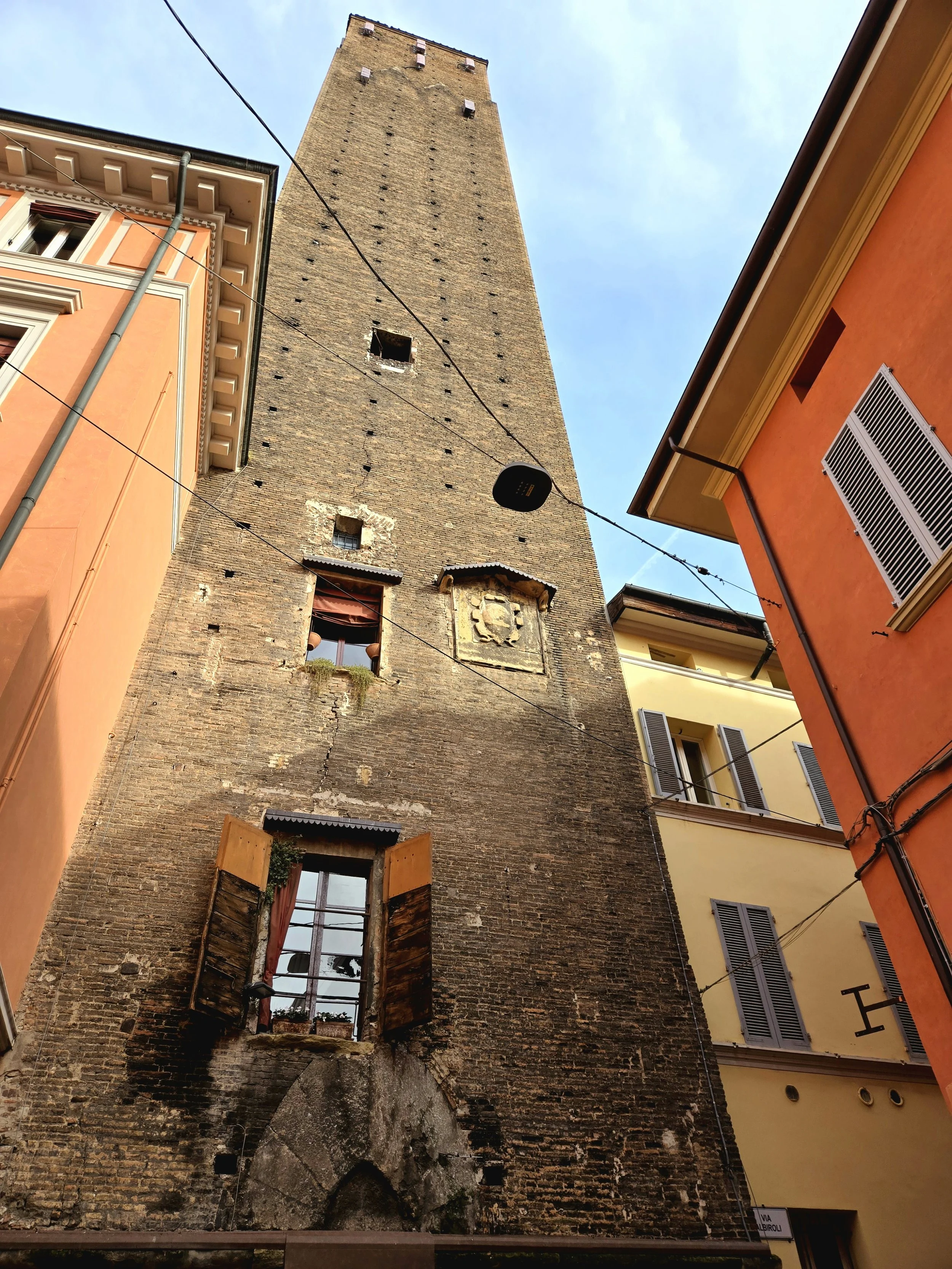
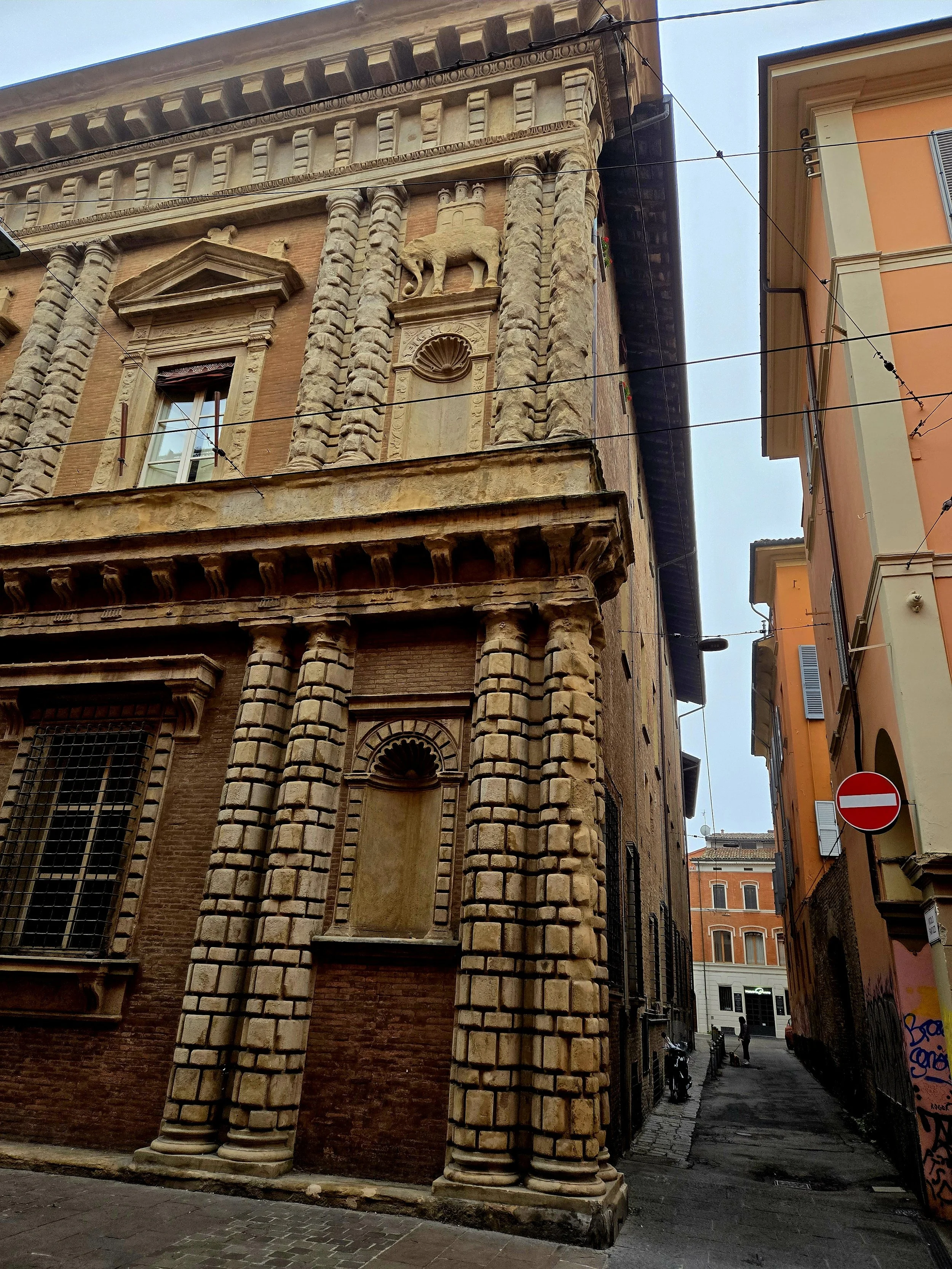
The city houses shops that are hundreds of years old
Drogheria della Pioggia (est. 1610): Sells traditional balsamic vinegar, hard-to-find candies, & vintage spirits
Antica Aguzzeria del Cavallo (est. 1783): Sells professional knives, scissors, & traditional brass pasta cutters
Paolo Atti e Figli (est. 1868): Sells fresh tortellini
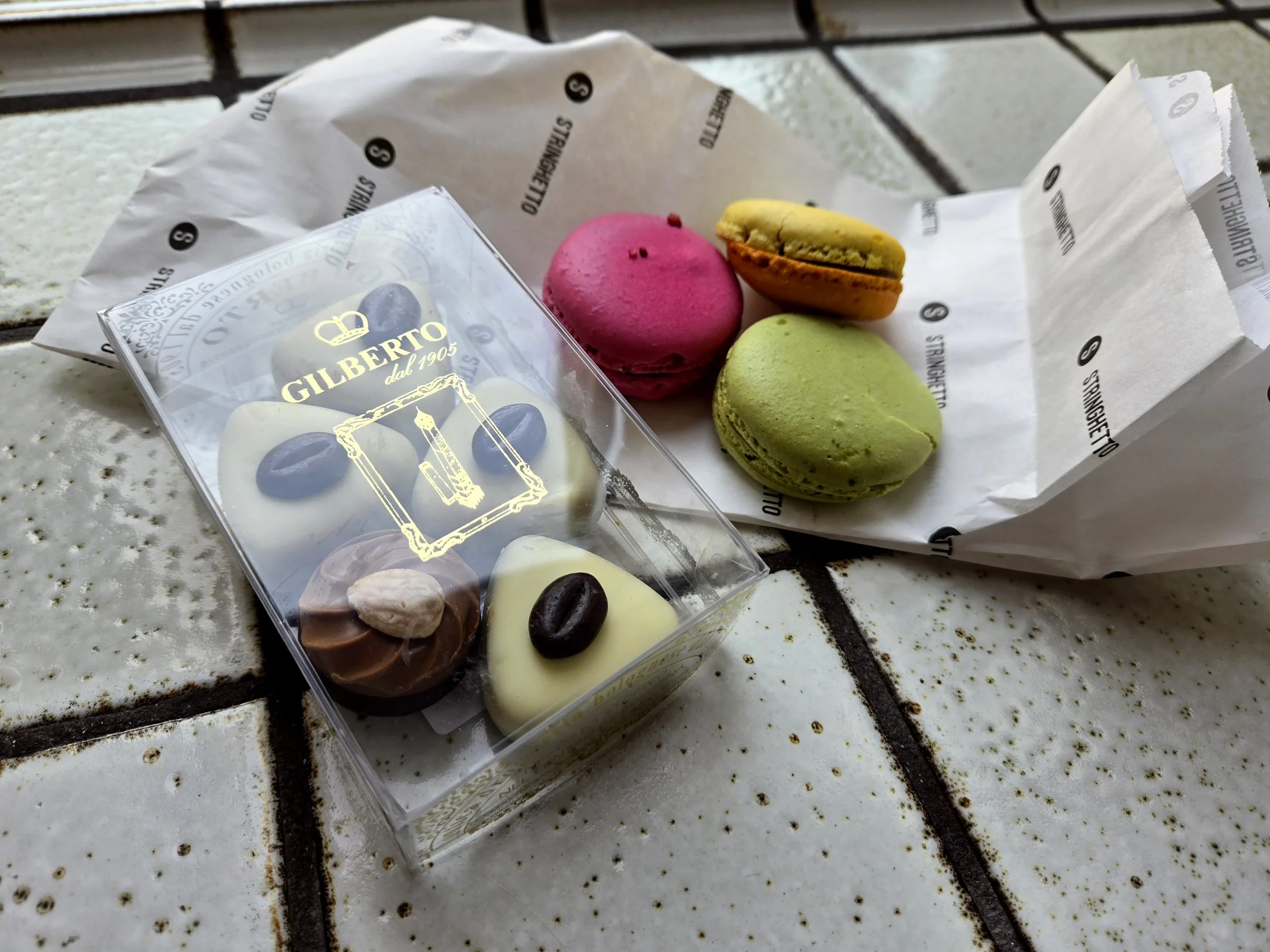
Majani (est. 1796): The oldest active chocolate factory that sells vintage-packaged artisan chocolates
We saw very few tourists when we visited in October
My theory is that Americans avoid visiting because they associate the word “Bologna” with bologna (baloney) sausage, a cheap American lunch meat that most Americans dislike
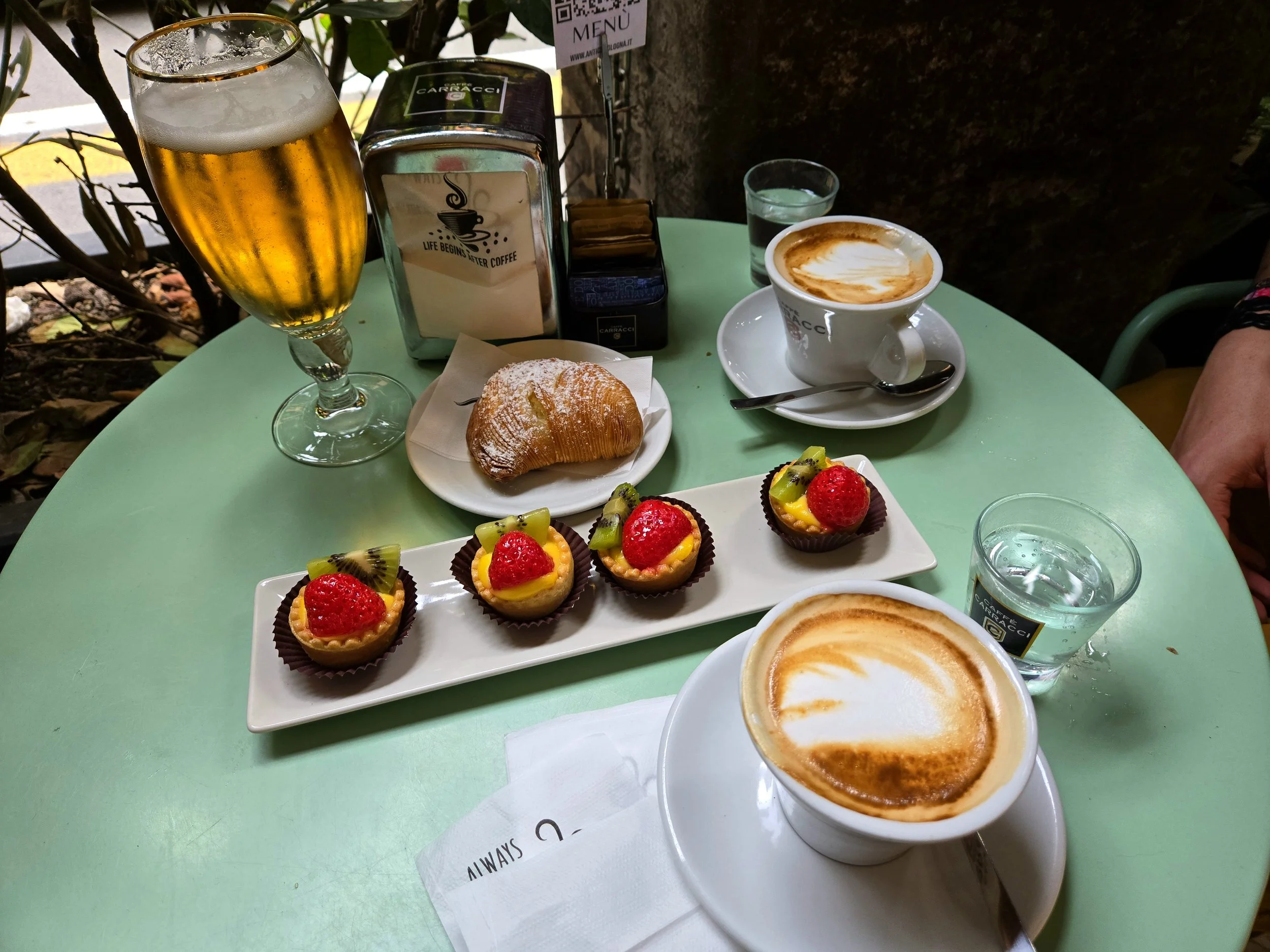
Incredible and diverse food
Middle Eastern & North African food
Bologna is known for tortellini, Bolognese sauce, mortadella, and tortellini en brodo
Tortellini en brodo is a traditional Italian comfort dish with meat or cheese-filled pasta served in a rich and clear broth
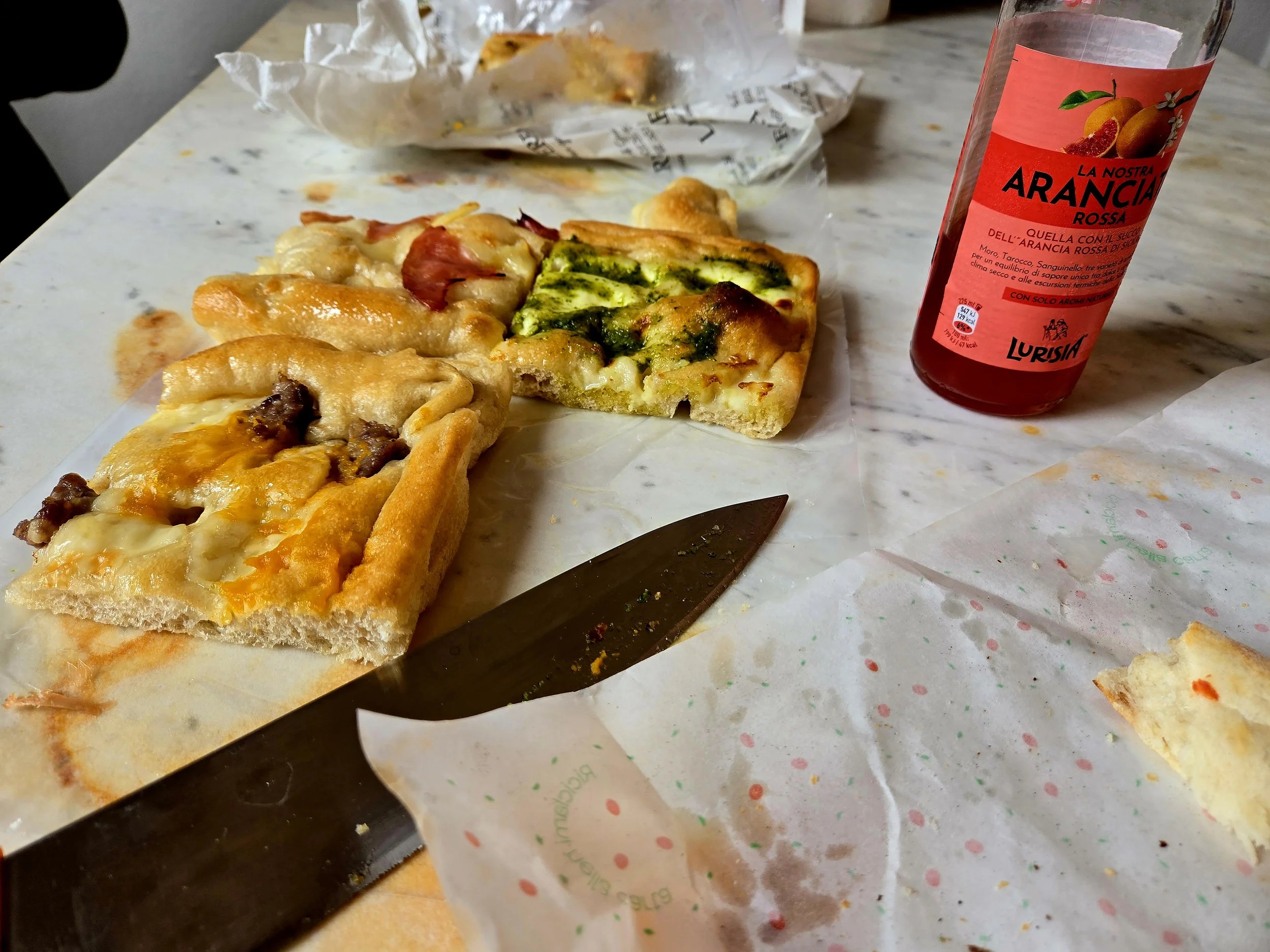
The local focaccia is also to die for
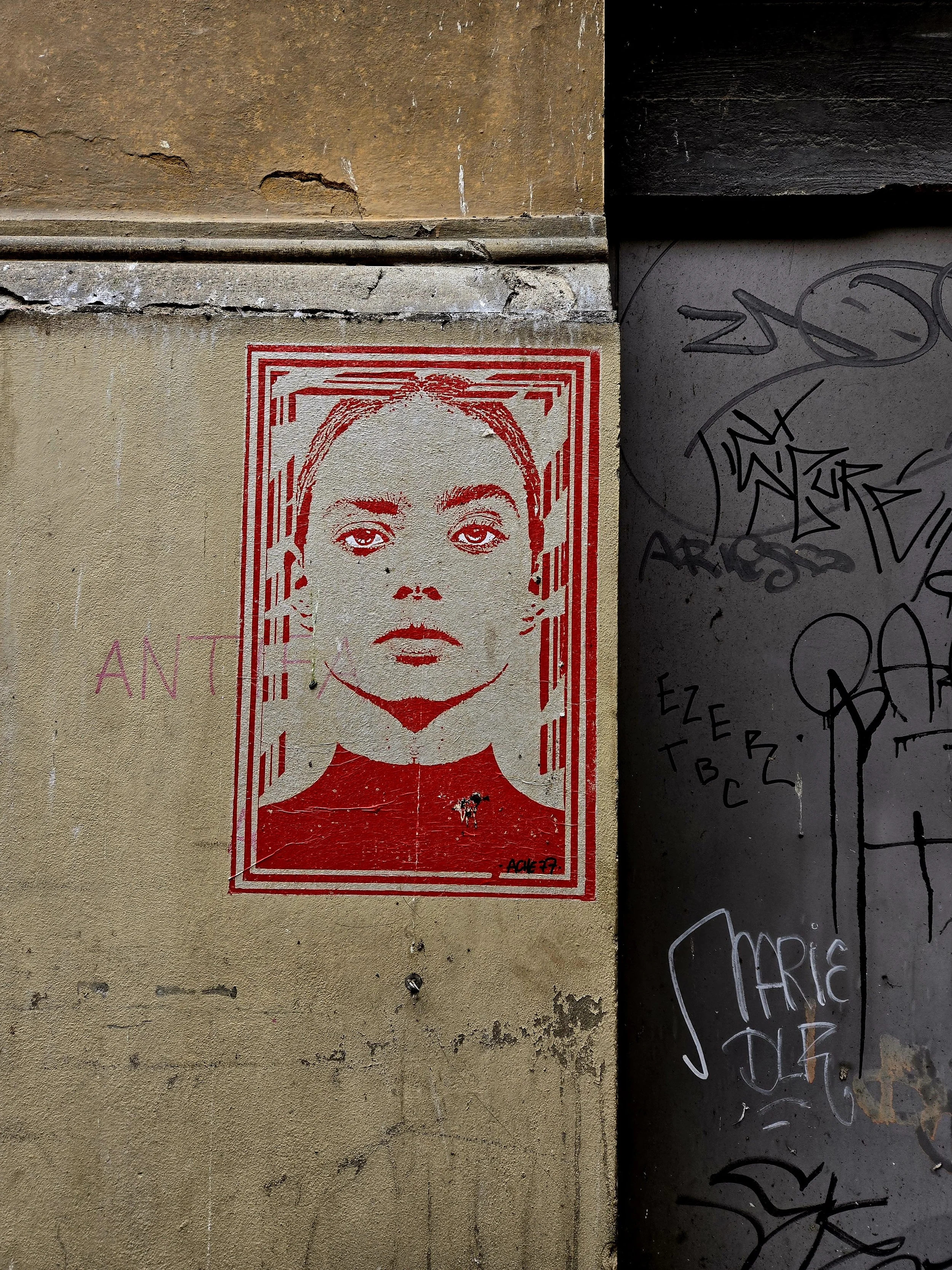
The city was a major hub of the Italian Resistance against fascism and the Nazi occupation during WW2
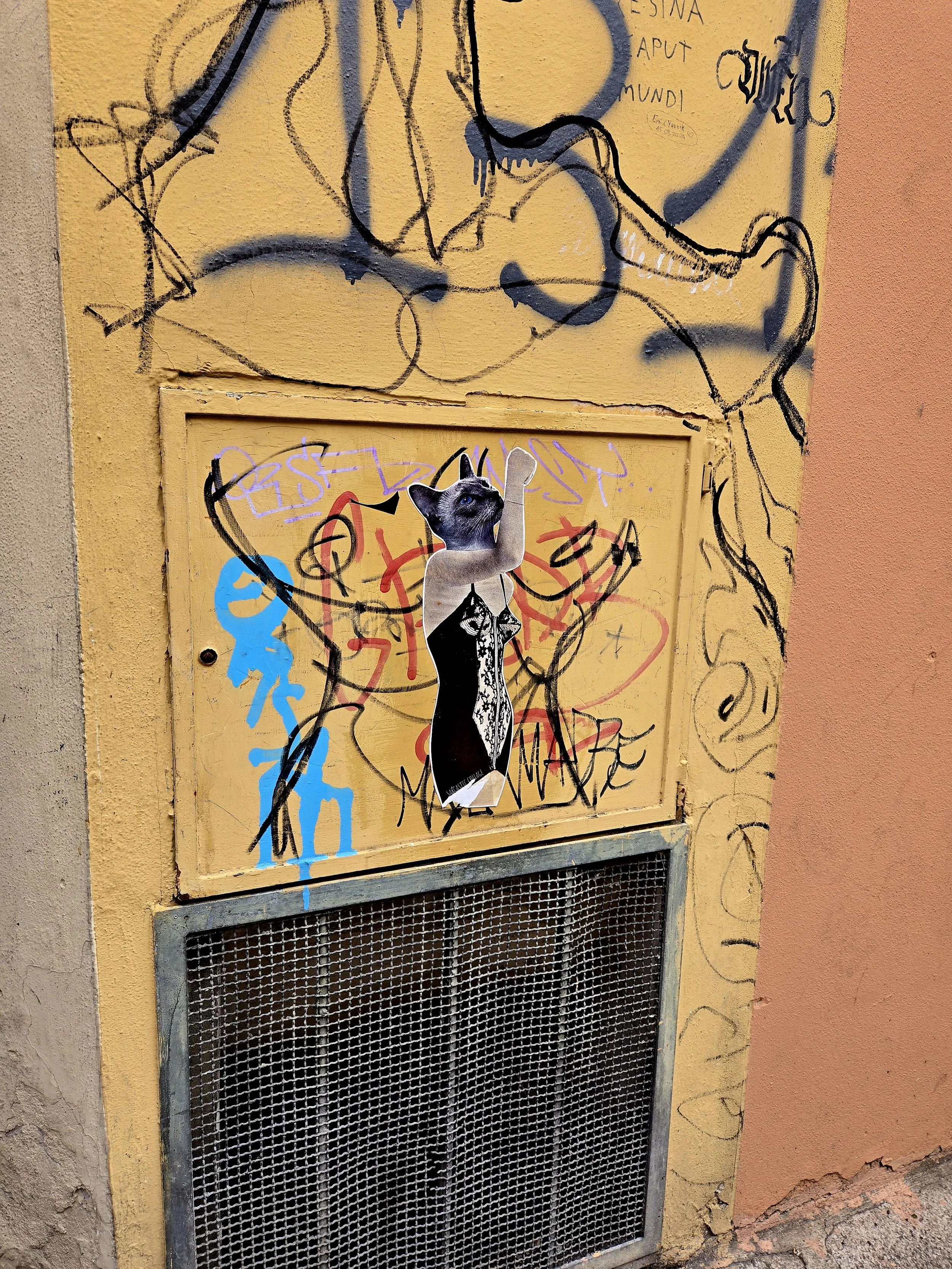
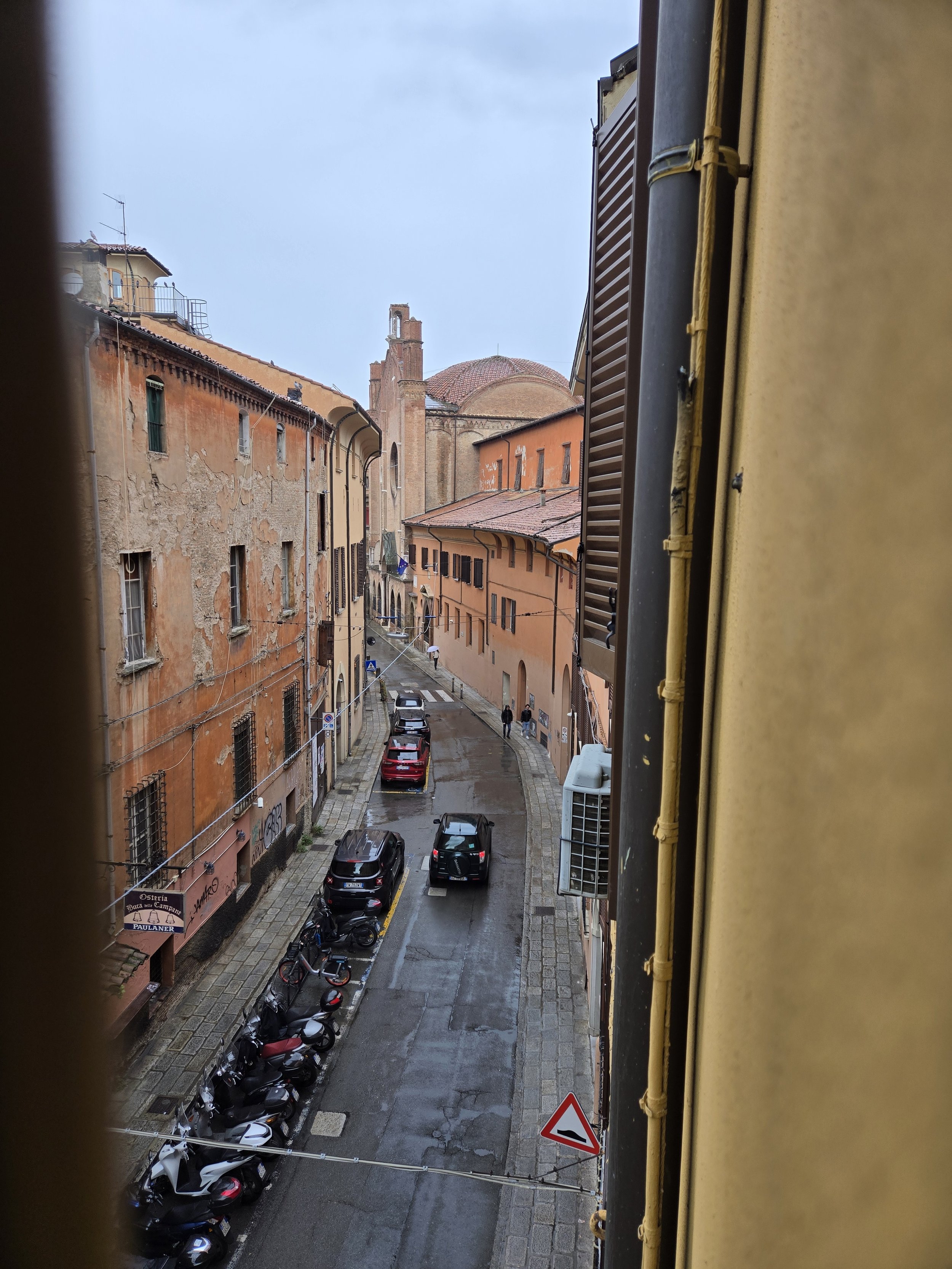
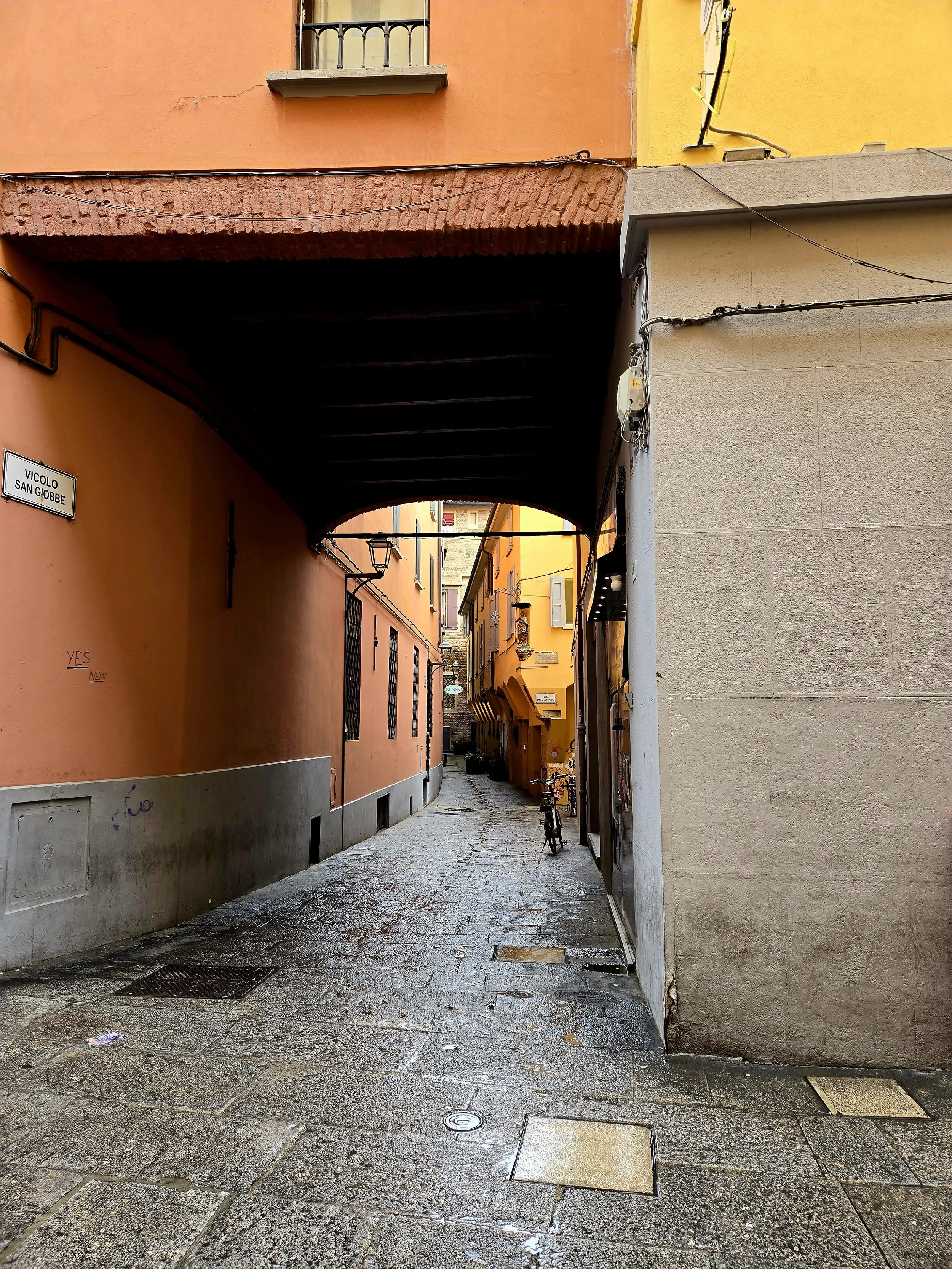
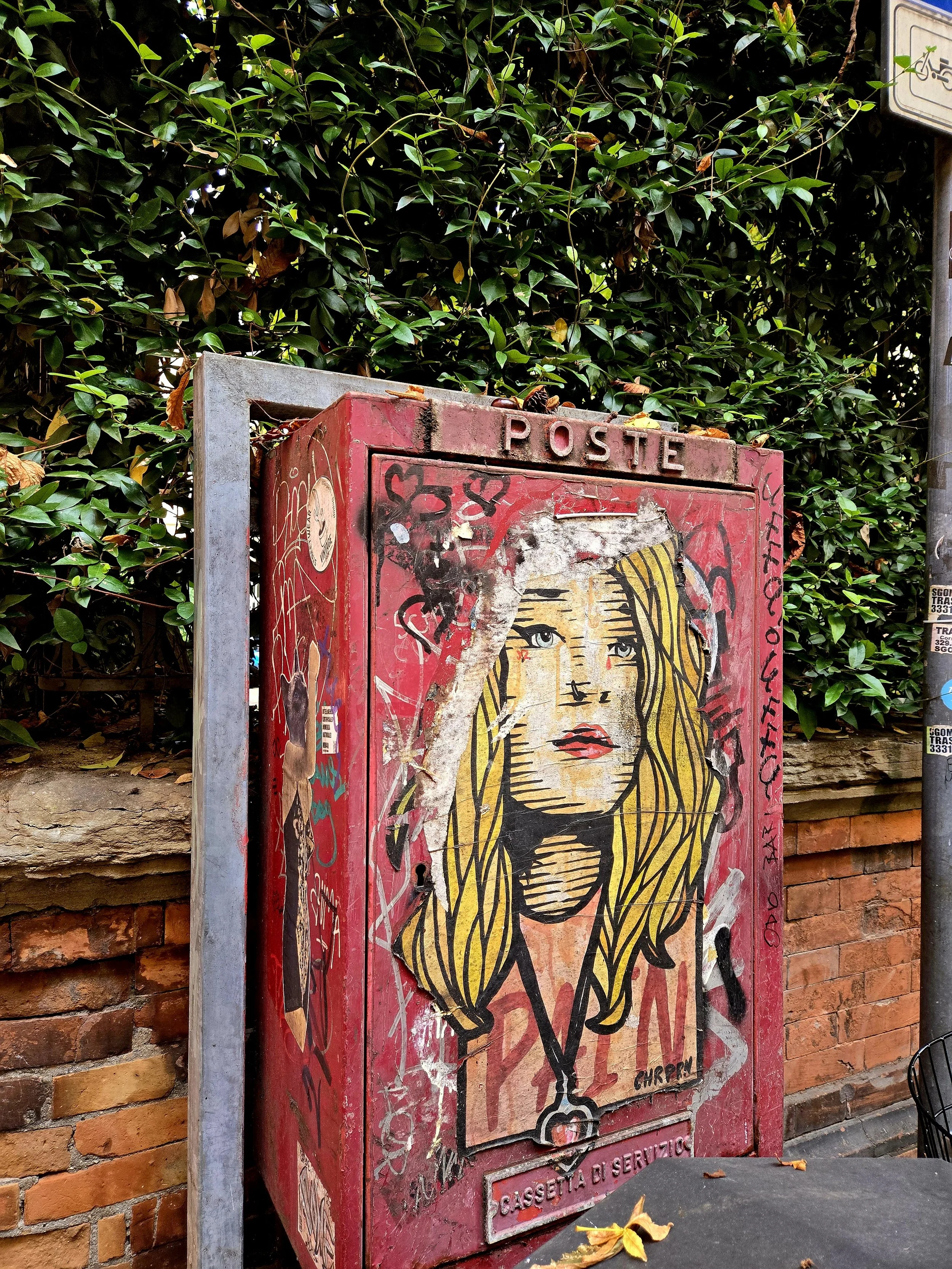
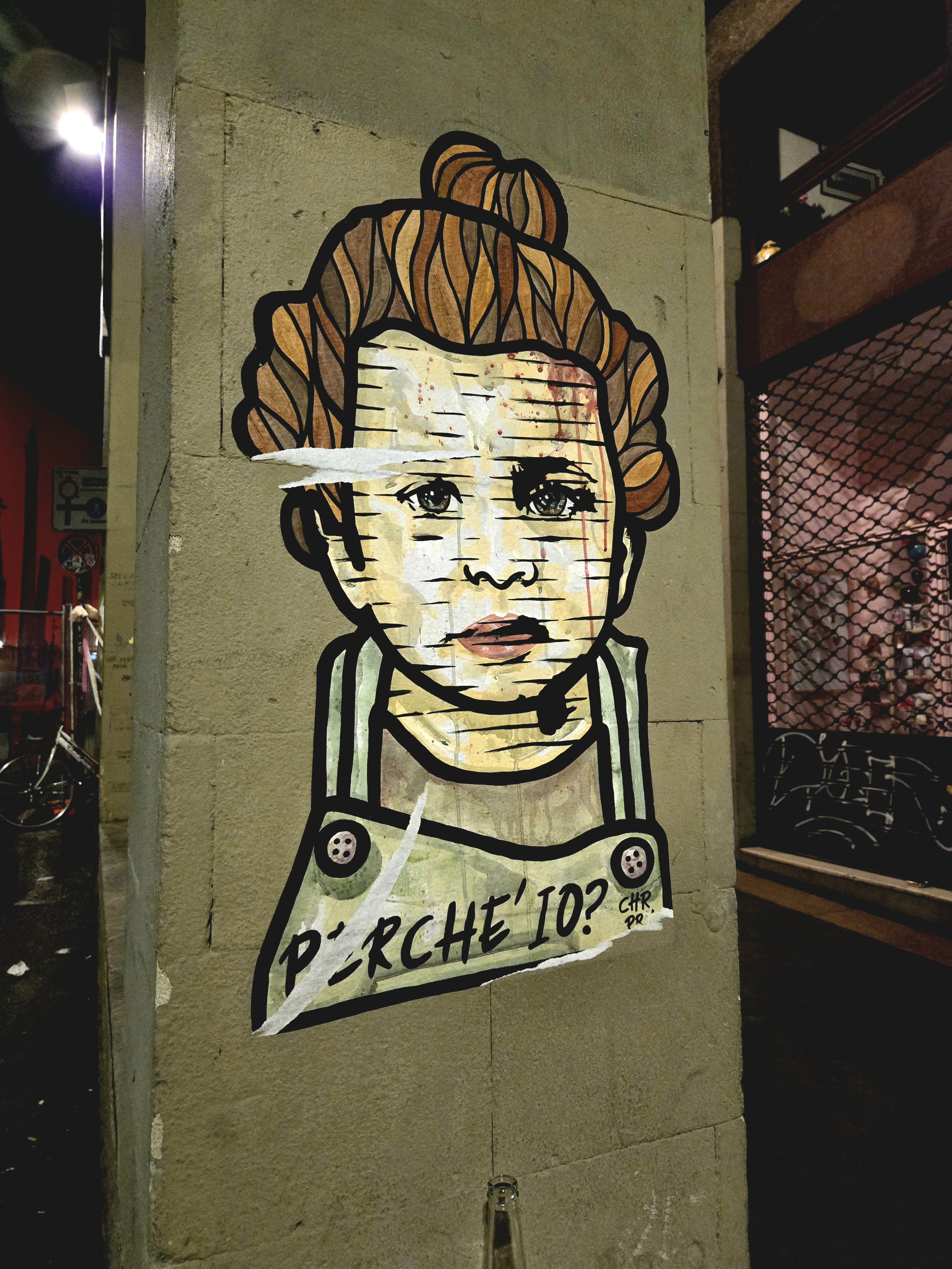
There is a lot of graffiti in Bologna—understanding the context of historical resistance makes this endearing
The University of Bologna is the oldest continuously operating university in the world
Founded in 1088, the university broke barriers for women in academia
Bettisia Gozzadini in the 13th century—first woman to earn a university degree and teach
Novella d’Andrea in the 14th century—legal scholar who frequently substituted for her father, a prominent law professor
Laura Bassi in 1732—the world's first salaried female university professor
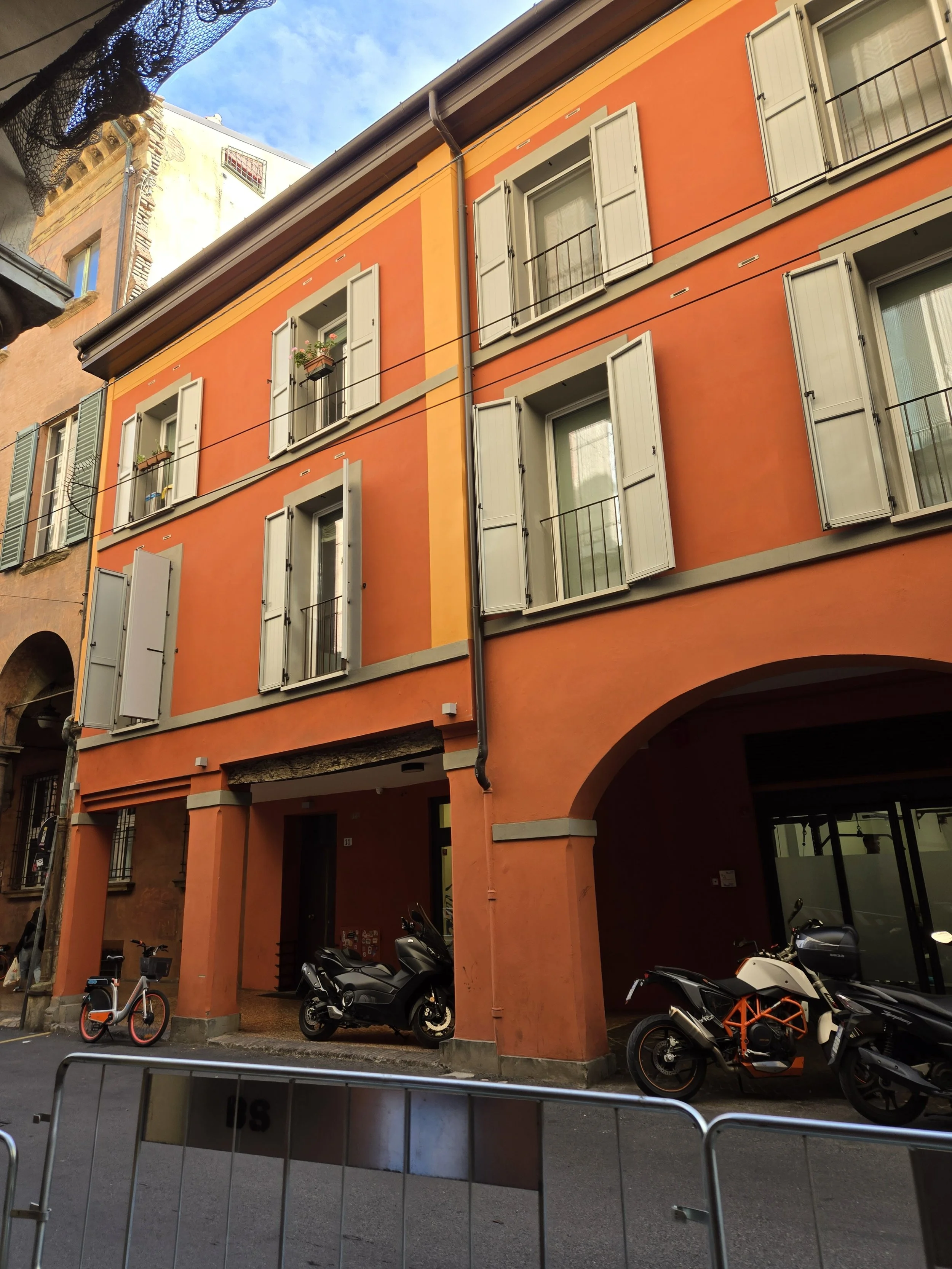
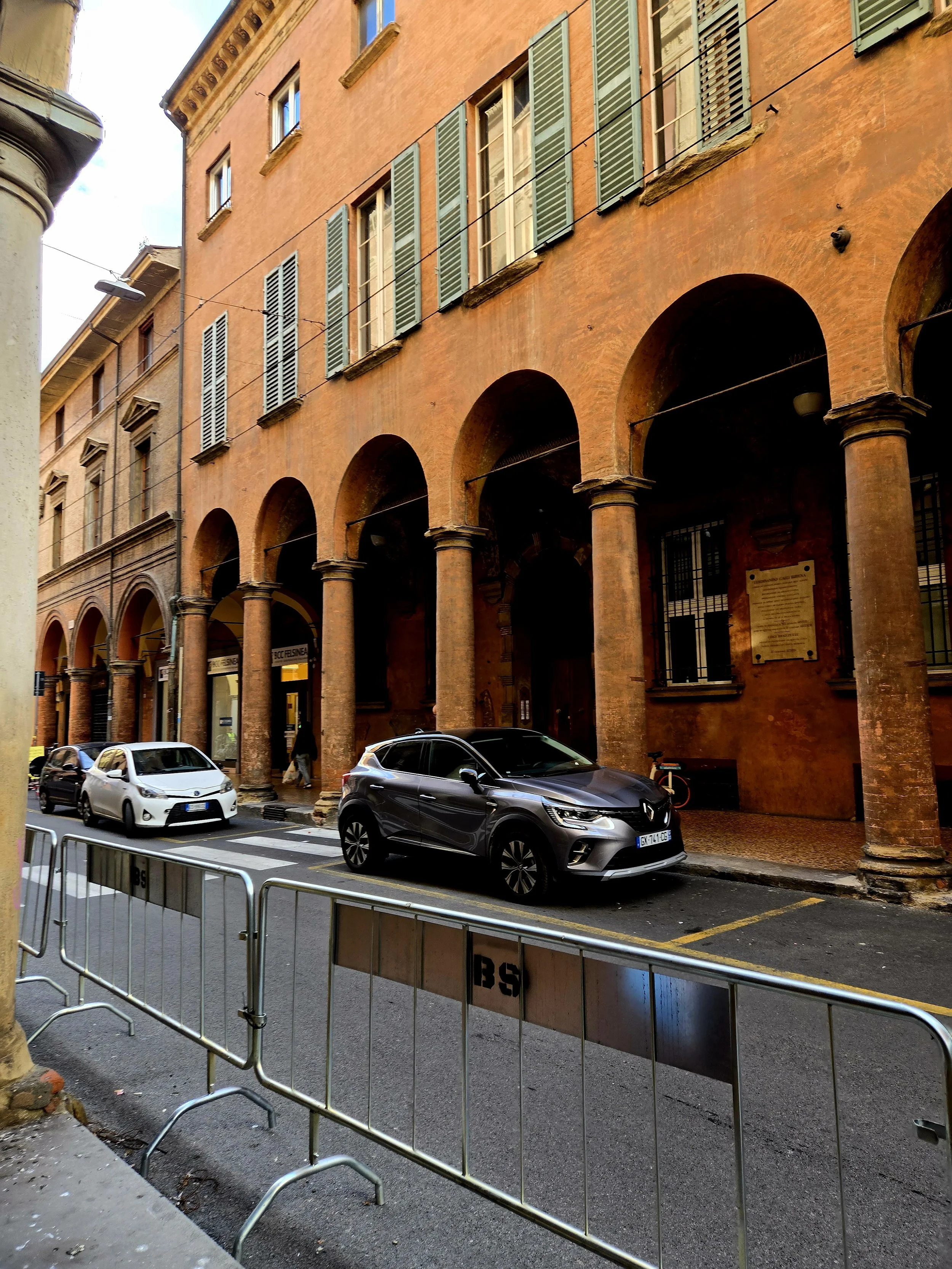
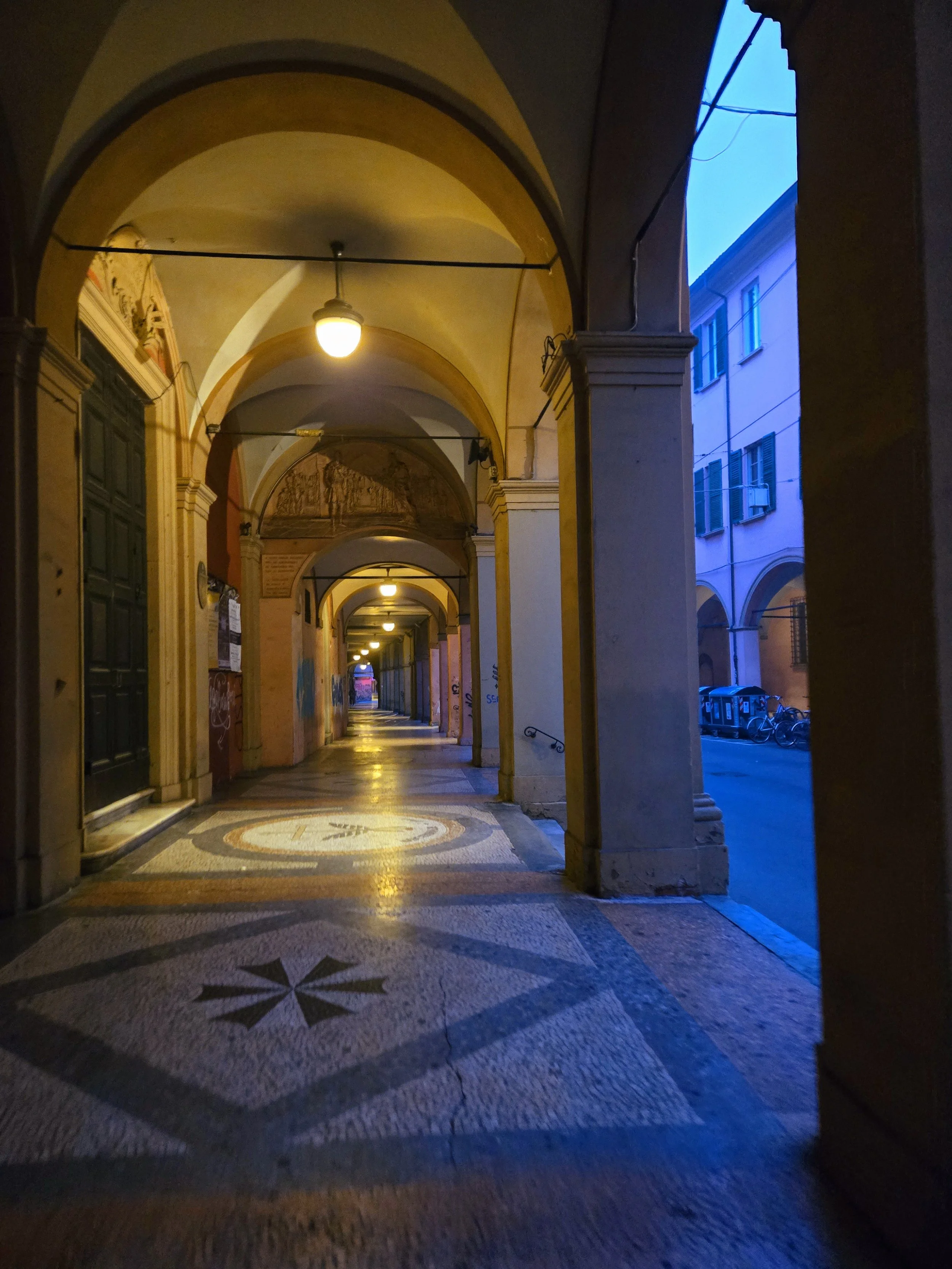
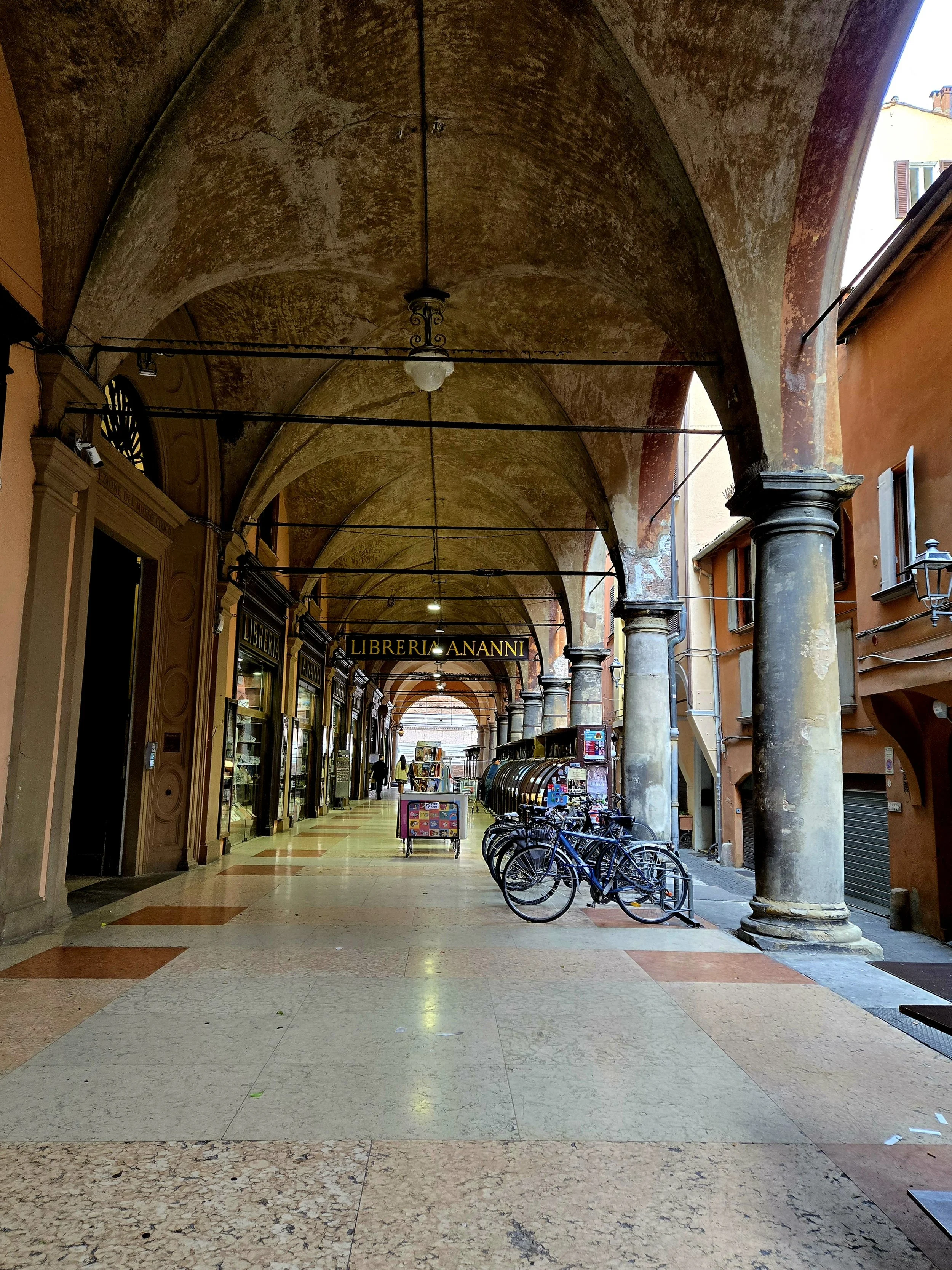
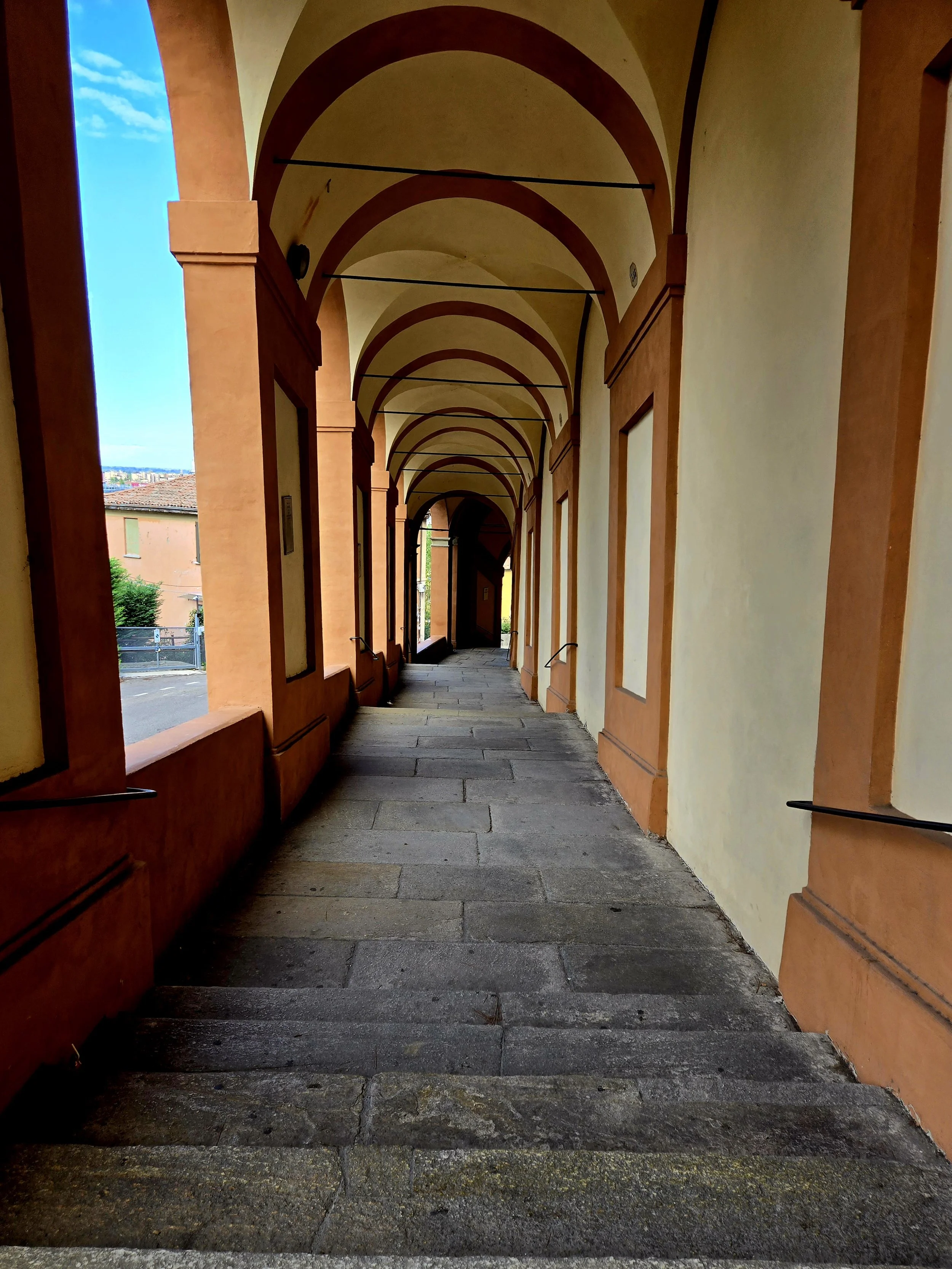
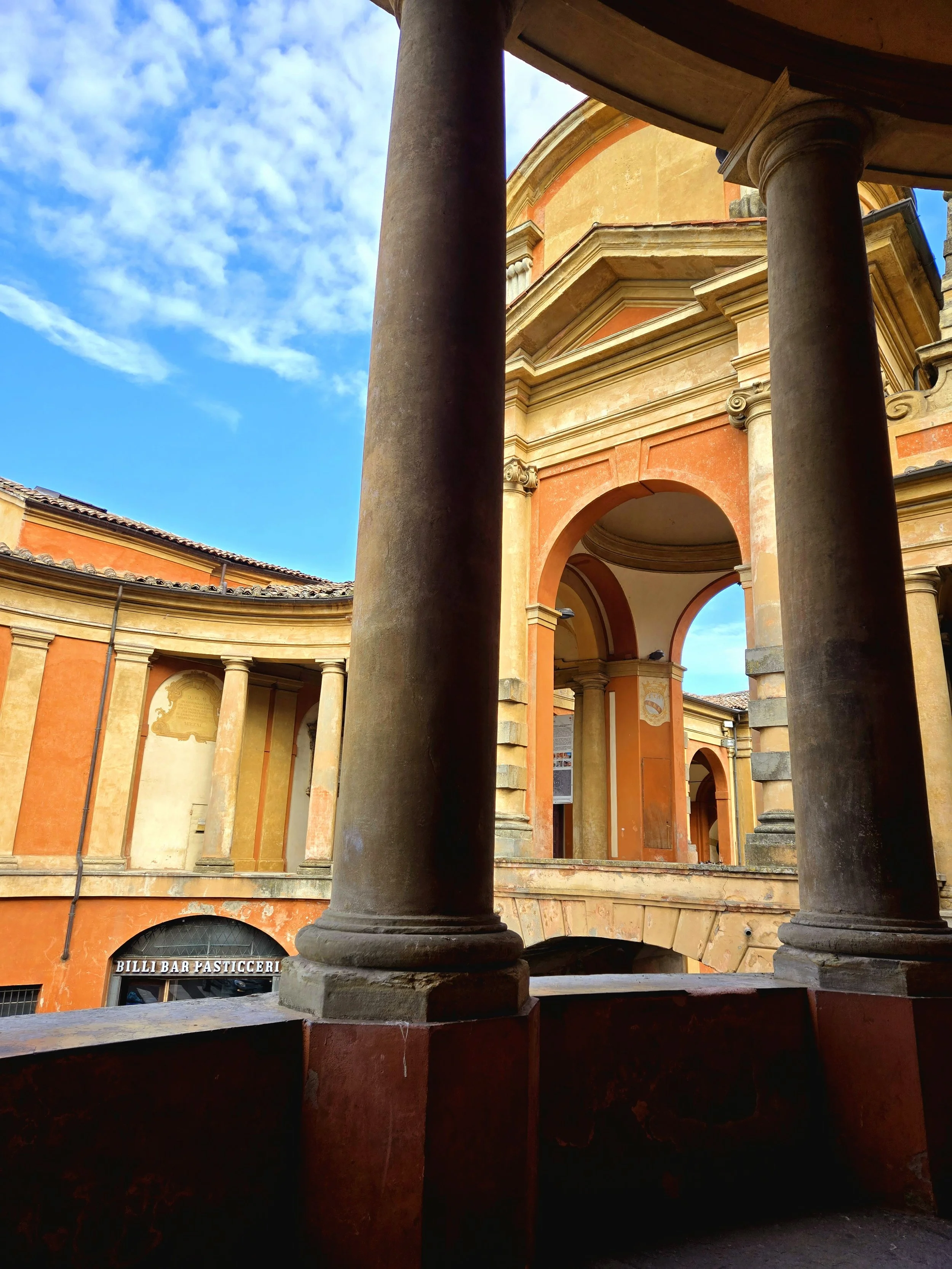
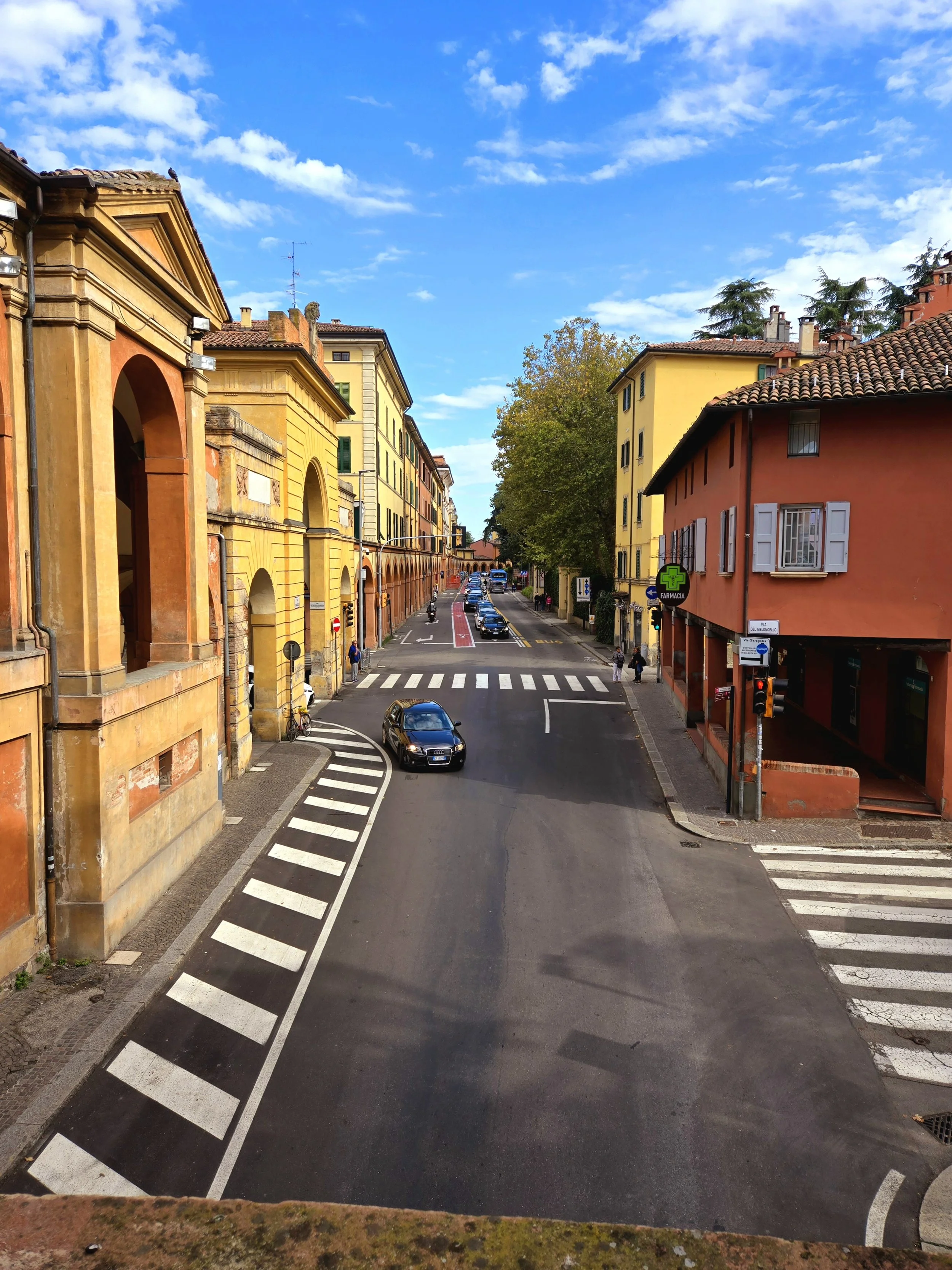
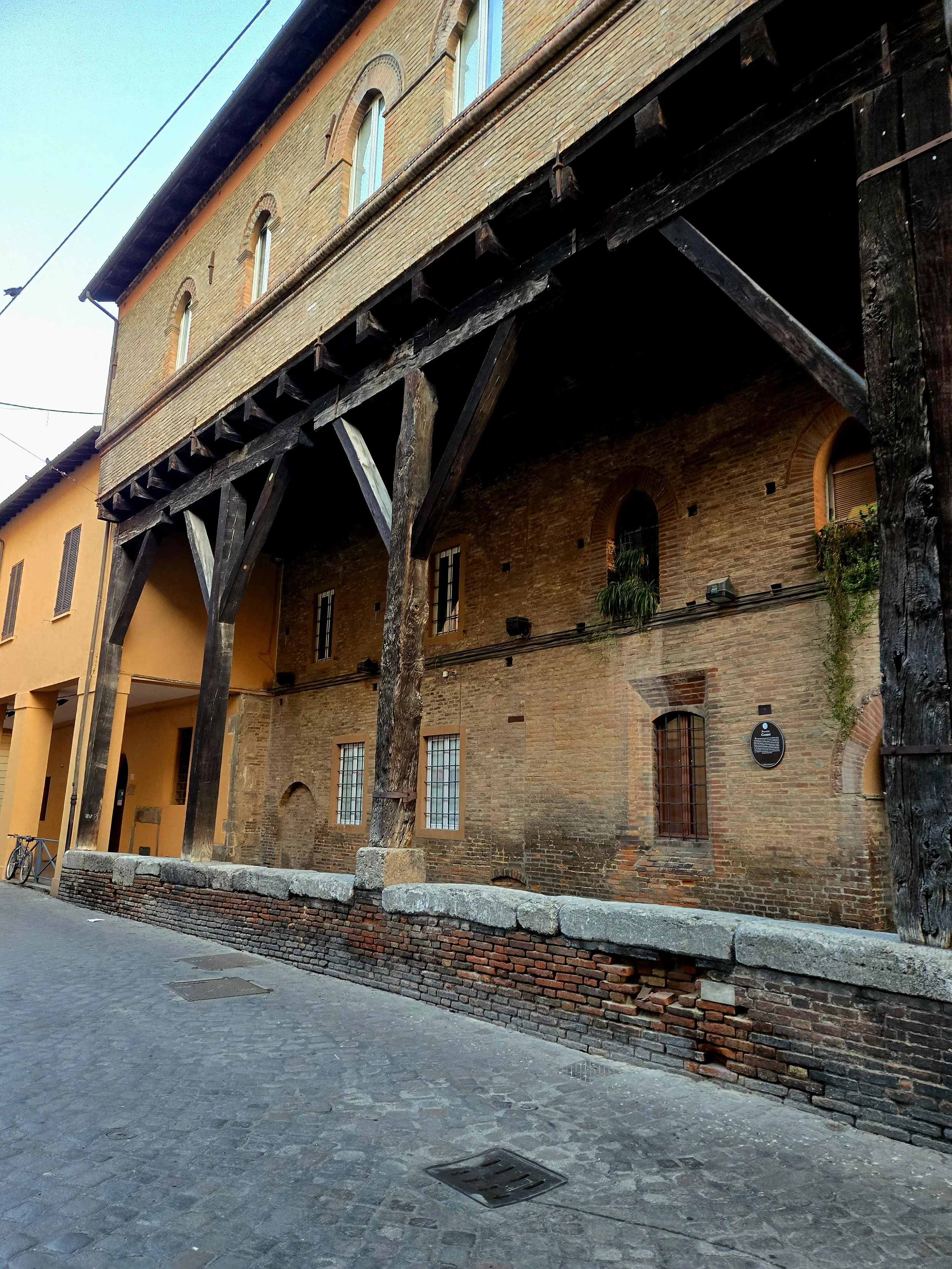
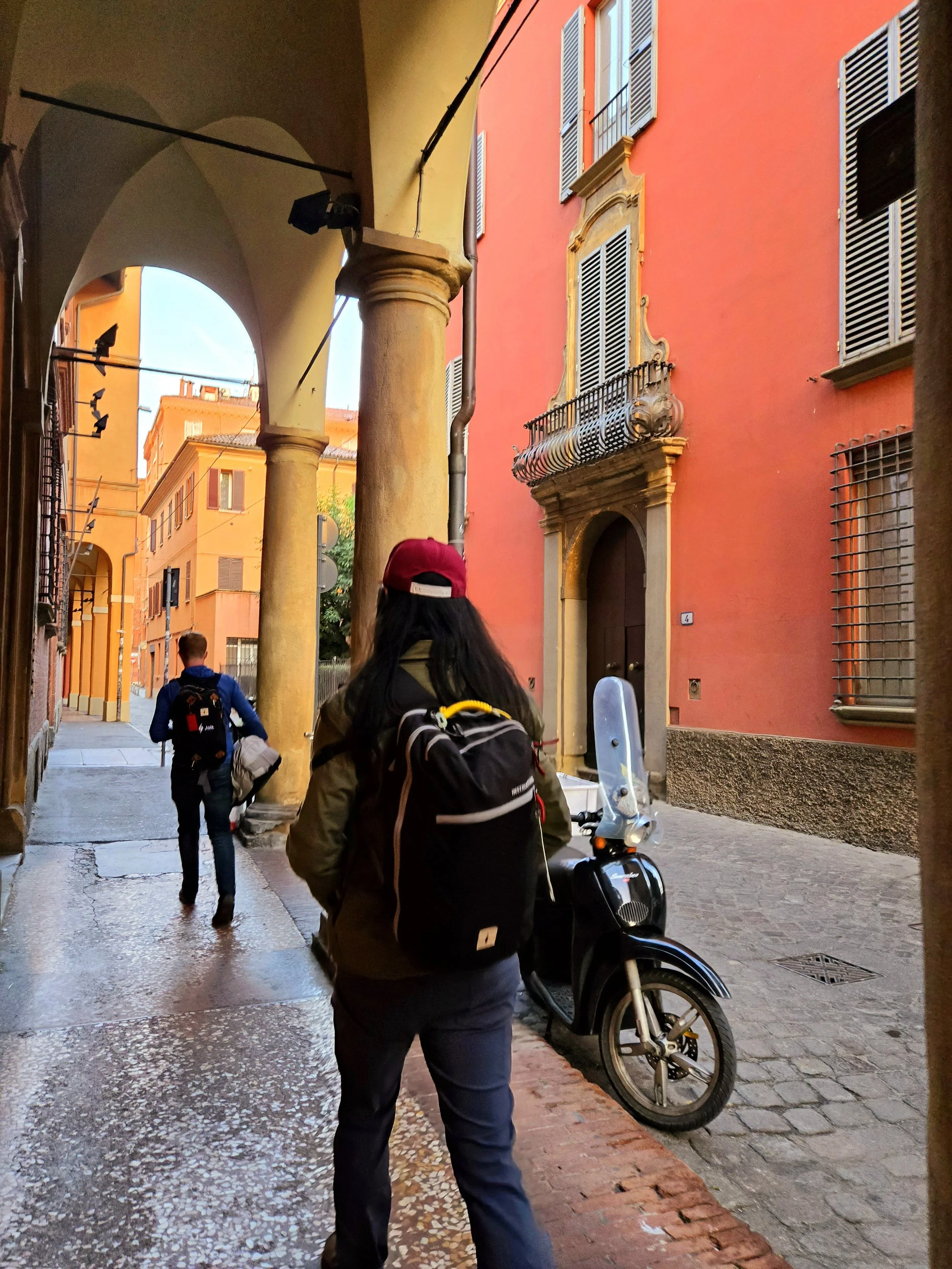
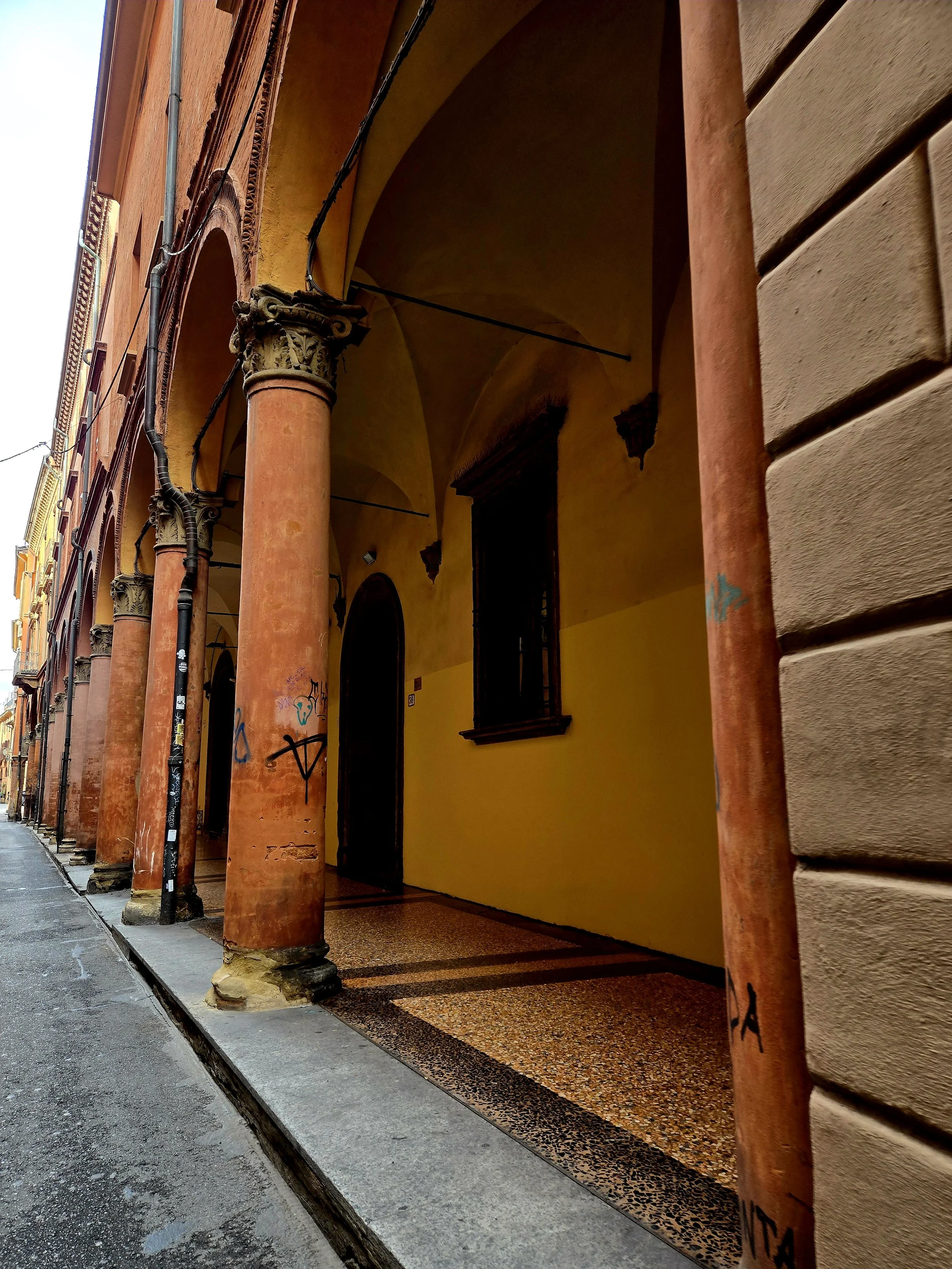
Bologna’s porticoes consist of the longest covered walkway in the world
First emerged in the 11th century after the founding of the University of Bologna, due to a booming university population of affluent students and scholars
There was no centralized campus and severe housing shortages, so students had to rent rooms from locals, which forced homeowners to expand upper floors above the streets
The upper floors required support columns, which also created covered walkways that conveniently provided shelter from weather for the affluent individuals, as they traveled into and around Bologna on horseback